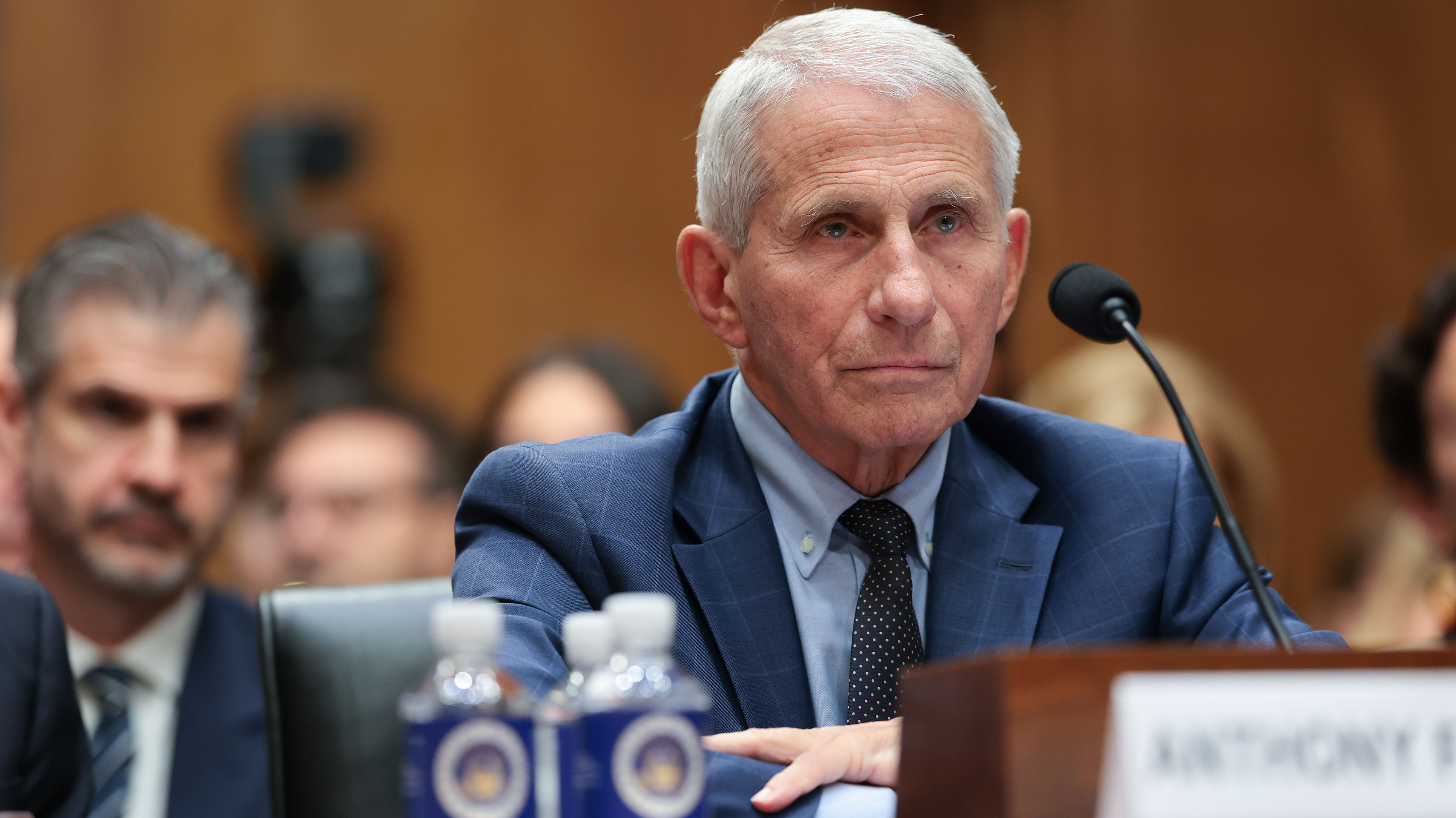
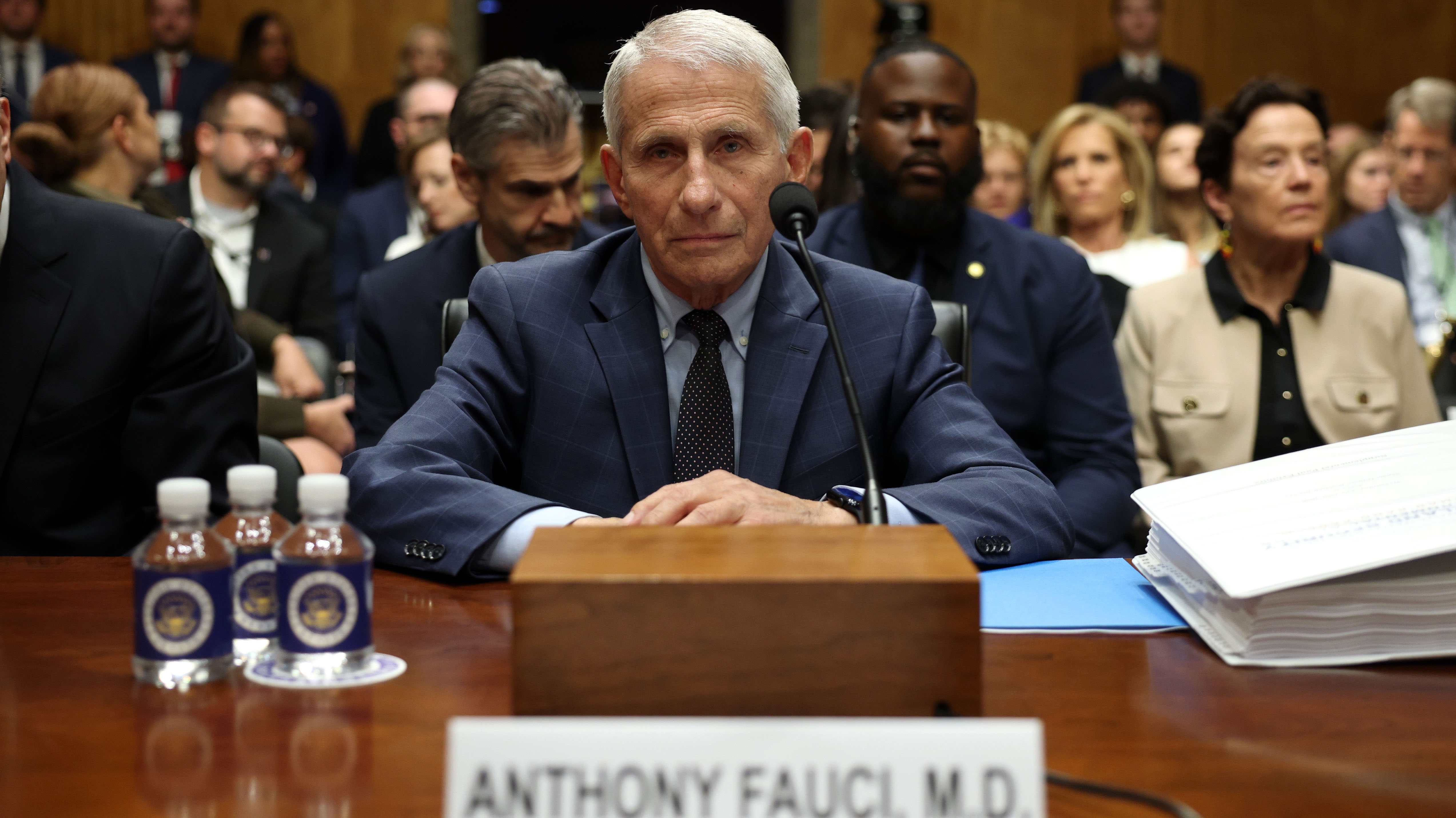
Former NIH Director Anthony Fauci testifies before the Senate Homeland Security and Governmental Affairs Committee hearing on July 29, 2026, in Washington, D.C. (Photo by Anna Moneymaker/Getty Images)
(WASHINGTON) — Republicans on the Senate Homeland Security and Governmental Affairs Committee on Thursday voted to hold Dr. Anthony Fauci in contempt of Congress.
The committee’s party-line vote of 8-5 comes after Fauci invoked the Fifth Amendment against self-incrimination and declined to answer questions at a hearing last week about his role in handling the COVID-19 pandemic and its origins.
A contempt resolution would normally now head to the full Senate, where it would require 60 votes. It is unlikely the Fauci resolution would receive enough support in the full Senate to pass.
Democrats attempted several times on Thursday to table the resolution but were unsuccessful.
Republican Sen. Rand Paul, the committee’s chair, said Fauci could not plead the Fifth Amendment given he was preemptively pardoned by President Joe Biden out of fear of political prosecution.
“Dr. Fauci’s assertion of the Fifth Amendment privilege was unsupported in light of the pardon and the testimony he offered in his opening statement,” Paul said ahead of the vote.
“We are voting on whether a witness who has received the benefit of a sweeping federal pardon can be ordered by this committee to answer questions and then defy that order without consequence,” Paul added.
Democratic Sen. Gary Peters, the committee’s ranking member, criticized the vote and the “damaging precedent” it sets, saying this “could harm our ability to conduct future investigations and disregards constitutional protections long recognized by the U.S. Senate.”
“This resolution will not provide the committee with any additional information, or compel Dr. Fauci to provide answers to our inquiries. Criminal contempt is punitive; it does not compel a witness to answer questions or produce the documents we’d all like to see,” Peters said.
Peters also condemned Paul’s suggestion of possibly referring the contempt resolution directly to the Department of Justice after the vote, saying “that would be even more dangerous and widely unprecedented move.”
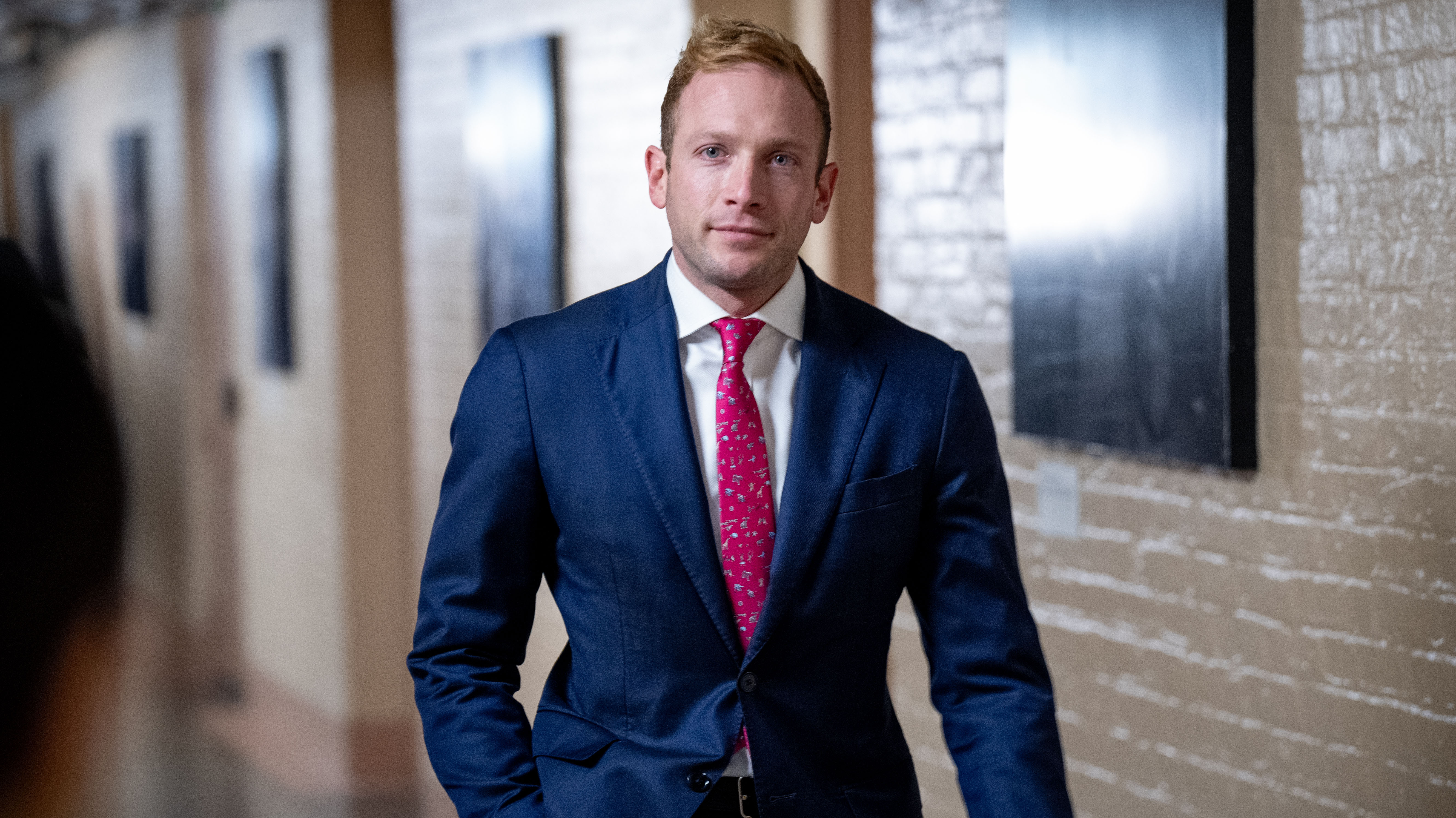
Rep. Max Miller (R-OH) leaves a House Republican Caucus meeting on Capitol Hill on Nov. 19, 2024, in Washington, D.C. (Andrew Harnik/Getty Images)
(WASHINGTON) — President Donald Trump called Rep. Max Miller on Monday and raised concerns about his reelection bid following domestic abuse allegations, two sources tell ABC News.
Police reports obtained by ABC News show that Miller’s ex-wife, Emily Moreno, the daughter of Sen. Bernie Moreno, alleged multiple incidents of physical violence during their marriage and divorce proceedings. Miller, a Republican seeking another term representing Ohio’s 7th Congressional District, has denied the allegations.
During his phone conversation with Trump, Miller denied the allegations to the president and showed no interest in leaving the race, sources said.
Miller’s office didn’t immediately respond to a request for comment on the phone call. The White House didn’t immediately respond to a request for comment.
On Monday, prior to the phone call, Trump called Miller a “good person” and said he was going to “let the families figure that out” when asked about the allegations.
Miller, a former Trump White House aide, was married to Emily Moreno from 2022 to 2024 and the two have one child, a 2-year-old daughter. The couple married at Trump’s Bedminster, New Jersey, club at a ceremony that included a toast by Trump.
The police reports obtained by ABC News also show Emily Moreno told the police that her daughter received physical injuries while in Miller’s care. Miller denies abusing his wife or daughter. He was never charged with a crime and the Department of Children and Family Services did not find evidence to substantiate allegations of child abuse, according to records released in court filings.
Miller faces a Wednesday deadline to drop out in order to be replaced on the ballot.
He is facing growing scrutiny — including from his former father-in-law, who said on Monday that Miller “should not serve in the House” — and is lashing out on social media at senators who support him stepping aside.
According to report by Politico, those Republican senators include Sen. Shelley Moore Capito of West Virginia and Sen. Roger Marshall of Kansas.
Miller responded on social media late on Monday, specifically addressing Capito, who told Politico she supports Moreno’s position.
Miller replied, “@SenCapito here’s the facts: 1. Every accusation that has been thrown my way has been found unsubstantiated by the court system as well as mine and my ex-wife’s court appointed mediator (who is a psychologist and mandatory reporter). Let me know if you want me to read the rest of the files to you.”
He did not address Marshall’s comments to Politico. Marshall told the news outlet that Miller “should resign. He should quit.”
A lawyer for former White House press secretary Stephanie Grisham separately announced on social media on Monday evening that he has “filed for a Temporary Restraining Order against Cong. Max Miller (R-OH) on behalf of former Trump Press Secretary Stephanie Grisham.”
Grisham is currently suing Miller over violations of the terms of a confidential settlement related to his defamation case against her. She alleged that he abused her during their romantic relationship during the first Trump administration. Miller has denied her allegations of abuse.
The White House declined to comment last week on allegations of abuse by Miller toward Grisham or Moreno.
Acting Attorney General Todd Blanche attends a Cabinet Meeting at Camp Davaid, the presidential retreat, July 31, 2026, in Camp David, Maryland. (Anna Moneymaker/Getty Images)
(WASHINGTON) — Under pressure from two Republican senators blocking his confirmation as the next attorney general, Todd Blanche said he is formally rescinding his establishment of President Donald Trump’s so-called “Anti-Weaponization Fund.”
Blanche posted two separate orders on X Sunday night, one rescinding the nearly $1.8 billion fund, as well as another clarifying language regarding the scope of an arrangement that had shielded Trump from facing further IRS audits of his past tax returns.
The move prompted Republican Sens. John Cornyn and Thom Tillis, who had been holding up Blanche’s nomination, to announce Monday that they are ready to move forward.
The Senate Judiciary Committee is scheduled to vote on Blanche’s nomination on Tuesday at 9 a.m. Blanche will likely need the support of every Republican on the committee to advance to the floor.
He is expected to be voted out of committee, setting up a final confirmation vote later this week.
“We are pleased that the Department of Justice has issued a formal order terminating the anti-weaponization fund,” Cornyn and Tillis said in a joint statement. “Additionally, the Department has acknowledged in a binding written order that the audit settlement is limited to the plaintiffs and the scope does not extend beyond the defendants in the lawsuit, the IRS and the Treasury, addressing concerns that multiple of our Republican colleagues share.”
“We want to express our gratitude to Mr. Blanche and his staff for working with us on this, and we look forward to voting to advance his nomination out of the Senate Judiciary Committee soon,” they said.
As part of Trump’s settlement with the IRS in his $10 billion lawsuit against the agency, the DOJ issued an addendum, signed by Blanche in his role as acting attorney general, that would bar the government from continuing any existing audits of tax returns filed by Trump, his family and their companies.
Cornyn said last week that he did need the DOJ to modify the language of the settlement, but that he wants written documentation that the settlement won’t provide tax audit immunity that extends to affiliated organizations for Trump and his family that weren’t part of the lawsuit.
Blanche’s post on Sunday is a signal that he had secured approval from Sens. John Cornyn and Thom Tillis, who had been key holdouts on his nomination. The GOP senators had been working behind closed doors and in private talks with Blanche and his team to craft statements they’d find acceptable to alter the language of the controversial settlement.
“Sen. Cornyn has reached an agreement with the Department of Justice, which will be issuing a formal order permanently terminating the anti-weaponization fund and making clear in a binding written document that the scope of the audit settlement is limited to only the plaintiffs, including the President, and the IRS,” Cornyn spokesperson Natalie Yezbick said in a statement late on Sunday.
Some legal experts and even MAGA supporters of the fund, however, have already begun questioning whether it precludes DOJ from giving mass payouts to pro-Trump rioters or the clarification that Cornyn had initially sought to the IRS immunity clause.
The order dealing with IRS immunity notably states that DOJ would interpret the order to mean that it only applies to plaintiffs in Trump and his son’s initial $10 billion lawsuit against the IRS — but that interpretation doesn’t appear to be similarly binding on Trump’s personal lawyers or his family.
And some previous vocal supporters of the so-called “Anti-Weaponization Fund” are already cheering on the language of the order rescinding it — noting that there’s nothing specifically barring DOJ from payouts to pro-Trump supporters who may have attacked police during the Jan. 6, 2021, attack on the Capitol.
Blanche’s orders on Sunday come after Trump floated the possibility of temporarily withdrawing Blanche’s nomination to permanently lead the Department of Justice because of the resistance from the two outgoing Republican senators.
Both senators’ terms will end in January. Cornyn lost a primary battle in Texas earlier this year after Trump endorsed his opponent, Ken Paxton. Tillis announced last year he would not seek reelection after Trump threatened to field primary challengers.
Withdrawing Blanche’s nomination is a decision that would have no consequence in terms of Blanche leading the DOJ.
Blanche can continue to serve as acting attorney general. Acting department officials can serve in the role for 210 days, according to the Federal Vacancies Reform Act — however, that resets if a nomination is withdrawn.
Acting Attorney General Todd Blanche attends a Cabinet Meeting at Camp Davaid, the presidential retreat, July 31, 2026, in Camp David, Maryland. (Anna Moneymaker/Getty Images)
(WASHINGTON) — Under pressure from two Republican senators blocking his confirmation as the next attorney general, Todd Blanche said he is formally rescinding his establishment of President Donald Trump’s so-called “Anti-Weaponization Fund.”
Blanche posted two separate orders on X Sunday night, one rescinding the nearly $1.8 billion fund, as well as another clarifying language regarding the scope of an arrangement that had shielded Trump from facing further IRS audits of his past tax returns.
As part of Trump’s settlement with the IRS in his $10 billion lawsuit against the agency, the DOJ issued an addendum, signed by Blanche in his role as acting attorney general, that would bar the government from continuing any existing audits of tax returns filed by Trump, his family and their companies.
Cornyn said Thursday that he doesn’t need the DOJ to modify the language of the settlement, but that he wants written documentation that the settlement won’t provide tax audit immunity that extends to affiliated organizations for Trump and his family that weren’t part of the lawsuit.
Blanche’s post on Sunday is a signal that he had secured approval from Sens. John Cornyn and Thom Tillis, who had been key holdouts on his nomination. The GOP senators had been working behind closed doors and in private talks with Blanche and his team to craft statements they’d find acceptable to alter the language of the controversial settlement.
“Sen. Cornyn has reached an agreement with the Department of Justice, which will be issuing a formal order permanently terminating the anti-weaponization fund and making clear in a binding written document that the scope of the audit settlement is limited to only the plaintiffs, including the President, and the IRS,” Cornyn spokesperson Natalie Yezbick said in a statement late on Sunday.
Some legal experts and even MAGA supporters of the fund, however, have already begun questioning whether it precludes DOJ from giving mass payouts to pro-Trump rioters or the clarification that Cornyn had initially sought to the IRS immunity clause.
The order dealing with IRS immunity notably states that DOJ would interpret the order to mean that it only applies to plaintiffs in Trump and his son’s initial $10 billion lawsuit against the IRS — but that interpretation doesn’t appear to be similarly binding on Trump’s personal lawyers or his family.
And some previous vocal supporters of the so-called “Anti-Weaponization Fund” are already cheering on the language of the order rescinding it — noting that there’s nothing specifically barring DOJ from payouts to pro-Trump supporters who may have attacked police during the Jan. 6, 2021 attack on the Capitol.
Blanche’s orders on Sunday come after Trump floated the possibility of temporarily withdrawing Blanche’s nomination to permanently lead the Department of Justice because of the resistance from the two outgoing Republican senators.
Both senators’ terms will end in January. Cornyn lost a primary battle in Texas earlier this year after Trump endorsed his opponent, Ken Paxton. Tillis announced last year he would not seek reelection after Trump threatened to field primary challengers.
Withdrawing Blanche’s nomination is a decision that would have no consequence in terms of Blanche leading the DOJ.
Blanche can continue to serve as acting attorney general. Acting department officials can serve in the role for 210 days, according to the Federal Vacancies Reform Act — however, that resets if a nomination is withdrawn.
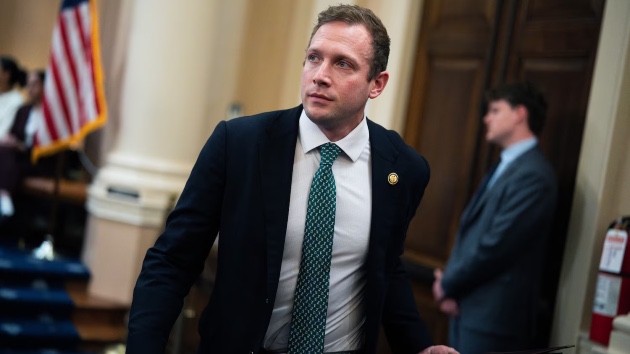
Rep. Max Miller, R-Ohio, attends the Ways and Means Committee hearing on the priorities of the Treasury Department in Longworth building on Thursday, June 4, 2026. Treasury Secretary Scott Bessent testified. (Tom Williams/CQ-Roll Call, Inc via Getty Images)
(WASHINGTON) — Ohio congressman Max Miller is denying allegations of domestic abuse made by his ex-wife.
Police reports obtained by ABC News show that Miller’s ex-wife, Emily Moreno, the daughter of Sen. Bernie Moreno, alleged multiple incidents of physical violence during their marriage and divorce proceedings. The allegations come amid Miller’s reelection bid for what is seen as a safe Republican seat and have led to calls from some Democratic members of Congress for an ethics investigation and resignation.
Miller, a former Trump White House aide, was married to Emily Moreno from 2022 to 2024 and the two have one child, a 2-year-old daughter. The couple married at Trump’s Mar-a-Lago estate at a ceremony that included a toast by President Donald Trump.
In the police reports, Moreno told police officers that Miller “threw her against the wall, which resulted in an obvious grab mark on her upper arm” and had previously “held a gun to her head” and threw hot water on her. According to the police report, Moreno also recounts her child telling her “Daddy kill you.”
Additionally, the report shows Moreno told the police that her daughter received physical injuries while in Miller’s care.
Miller, who represents Ohio’s 7th District, was never charged with a crime and the Department of Children and Family Services did not find evidence to substantiate allegations of child abuse, according to records released in court filings.
Miller denies abusing his wife or daughter. In a defamation lawsuit against his ex-wife, he has argued that this is a “repeated pattern” of false accusations by his wife meant “to ruin my reputation, gain an edge in custody and litigation matters, and seek revenge.”
Prior allegations against Miller
This is not the first time Miller has been accused of violence against women. Former White House press Secretary Stephanie Grisham alleged in her 2021 memoir that she had been physically abused by her partner while working at the White House.
She later identified that man as Miller in a Washington Post op-ed. She claims that she told White House officials at the time about the alleged abuse and they failed to take action.
The White House declined to comment on allegations of abuse by Miller towards Grisham or Moreno.
Miller’s office directed ABC News to Miller’s past social media posts denying the alleged abuse and attacking past reporting on the case.
Miller denied Grisham’s allegations and sued her for defamation while running for Congress in 2023. They reached a confidential settlement. Grisham is now suing Miller for violating the terms of their settlement by discussing the case in his denials of the allegations by Moreno.
Lawyers for Emily Moreno on Thursday applied for a restraining order against Miller, citing “harassment and threats” by the congressman against the legal team.
Lawyers for Moreno have not replied to requests for comment.
Miller has gone after his Republican colleague and ex-father in law Sen. Bernie Moreno publicly, posting on X in May: “It is unfortunate that @berniemoreno continues to fund and enable his daughter’s malicious campaign to ruin my life despite his knowledge of her mental health issues. Bernie, this must be distracting from your job. These antics harm your own grandchild. Anytime you want to put a stop to this, you can.”
A spokesperson for the senator told The Washington Post that Moreno’s “top priority is the safety and well-being of his daughter and granddaughter.” The statement added: “While he does not litigate these matters in the media or respond to baseless public attacks, he will do whatever it takes to ensure a just outcome for his family.”
Miller is facing off against Democrat Brian Poindexter, a union iron worker, in November. Poindexter’s campaign did not respond to ABC’s requests for comment.
Last month, Cook Political Report changed the race’s ranking from “Solid Republican” to “Likely Republican” shortly after internal polling found Democratic challenger Poindexter trailing Miller by just one point.
Miller won the district with only 51% of the vote in 2024, largely due to a credible third party candidate. Trump won the district with 55% of the vote in 2024.
While his opponent has not made the allegations against Miller central to his campaign as of yet, outside groups have stepped in to elevate the accusations.
The pro-labor Battleground Alliance PAC conducted robocalls to roughly 100,000 households last month recounting Moreno and Grisham’s claims. A spokesperson for the PAC did not reply to ABC News’ requests for comment.
The Republican National Congressional Committee declined to comment on the specific allegations against Miller and as a rule does not comment on spending decisions.
The House Majority PAC, which helps elect Democrats, told ABC it is “willing to do whatever it takes to take back the House, and nothing is off the table. Democrats are expanding the map deeper into Trump territory by the day, and Brian Poindexter will defeat the scandal plagued Max Miller.”
They did not specifically respond to a question about planned spending to support Poindexter in that race.
‘Troubling accusations’ and calls for investigation
Ohio Gov. Mike DeWine was asked about the allegations on Thursday by ABC”s Cleveland affiliate and said that they were “troubling accusations” and that “people of the district are having to weigh the facts.”
Ohio Democratic Rep. Shontel Brown, who represents the neighboring 11th District, called on Miller to resign.
Miller is hardly the only member of Congress to attract attention for allegations of misconduct towards women this year alone. Reps. Eric Swalwell and Tony Gonzales departed congress this year amid allegations of misconduct with aides.
Rep. Cory Mills, R-Fla., remains under a House ethics investigation for a range of allegations, including domestic violence by a former partner. He denies all allegations of misconduct.
House Speaker Mike Johnson was asked about the allegations against Miller and Mills at a press conference last week and said: “Well, the key word there is allegation. We have a process here. The House Ethics Committee works on those things. If allegations are made, they work through a process. So I I’m not in the business of commenting on investigations as they as they’re in process, and we’ll see how that shakes out.”
At least one member of Congress has called for an ethics investigation into Miller. Democratic Congressman Sam Liccardo of California posted on X: “Allegations that Max Miller abused his wife and child demand an immediate House Ethics Committee investigation. Congress must never serve as a safe harbor for abusers.”
The House Ethics Committee declined to comment on the allegations against Miller and whether there is an active investigation by the committee into his conduct.
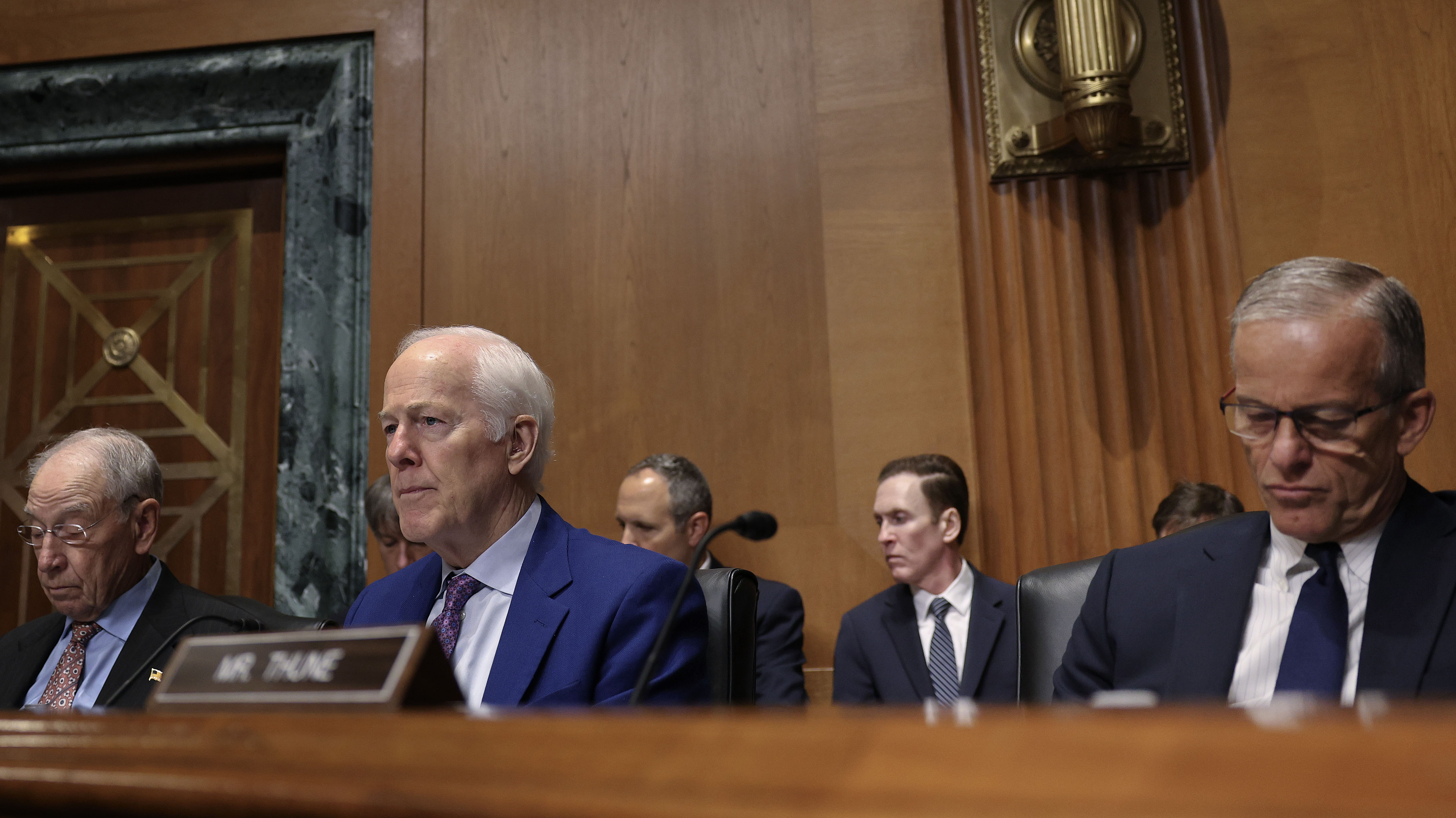
Senate Finance Committee Chairman Charles Grassley (R-IA), Sen. John Cornyn (R-TX) and Senate Majority Leader John Thune (R-SD) attend a Finance Committee hearing on July 30, 2026, in Washington, DC. Cornyn is withholding support for President Donald Trump’s nominee for U.S. attorney general, Todd Blanche, until he gets reassurances on Trump’s IRS lawsuit settlement and the elimination of the “anti-weaponization fund.” (Photo by Win McNamee/Getty Images)
(WASHINGTON) — President Donald Trump on Thursday floated the possibility of temporarily withdrawing Todd Blanche’s nomination for attorney general as his confirmation is being held up by two outgoing Republican senators.
“Todd Blanche is a STAR, and everyone knows it! He has the potential to go down as one of the Greatest Attorney Generals of All Time. However, John Cornyn, of Texas, and Thom Tillis, of North Carolina, both of whom I refused to Endorse, and whose political careers have been ended by my action, are refusing to vote for this Great Nominee, who will remain, in any event, as Acting,” Trump wrote in a social media post.
“I have no objection to temporarily withdrawing Todd’s name, if they do not do the right thing, and putting him back after Cornyn and Tillis are out of office,” Trump wrote.
Earlier Thursday morning, Cornyn said there were “new complications” in the standoff.
Cornyn is demanding the Department of Justice put in writing that the nearly $1.8 billion so-called “Anti-Weaponization Fund” is officially dead, and that the scope of President Trump’s immunity deal with the IRS be narrowed.
“I know that Todd Blanch understands it, but I think he’s probably getting some pushback from the White House, and that’s making things more complicated than there needs to be,” Cornyn told ABC News.
This is a developing story. Please check back for updates.
Former NIH Director Anthony Fauci testifies to Senate Homeland Security and Governmental Affairs Committee hearing on July 29, 2026, in Washington, D.C. (Photo by Kevin Dietsch/Getty Images)
(WASHINGTON) — Republican senators vowed to vote next week on holding Dr. Anthony Fauci in contempt of Congress after he declined to answer a barrage of questions at a hearing Wednesday about his role in handling the COVID-19 pandemic.
Fauci, the former director of the National Institute of Allergy and Infectious Diseases (NIAID), repeatedly invoked the Fifth Amendment during the hearing before the Senate’s Homeland Security and Governmental Affairs Committee (HSGAC).
Sen. Rand Paul, R-Ky., the committee chairman who has led investigations into Fauci, said after the hearing that he wanted courts to assess whether Fauci could plead the Fifth Amendment given he was pre-emptively pardoned by President Joe Biden out of fear of political prosecution.
Paul has long accused Fauci of deceiving Americans about the origins of the COVID-19 pandemic.
Fauci said in his opening statement that he would refrain from answering questions under the advice of his attorneys. “It pains me to do so because of the respect that I have for the legislative branch of government and my decades-long record of cooperating with Congress,” he said.
Fauci said he testified before or briefed congressional committees over 200 times in his 38 years as director of the National Institute of Allergy and Infectious Diseases.
“Given Sen. Paul’s obvious obsession with calling for my prosecution, his repeated slanderous comments about me, and recently his publicly releasing my unredacted personal diary aimed at embarrassing and intimidating me, the only conclusion I can reach is that the sole reason he is calling me before this Committee is to get me to say something, anything that could vindicate his repeated public pledges that I end up, in his words, ‘behind bars,'” Fauci said.
Paul focused his questioning on Fauci’s personal journal entries between December 2019 and December 2022, as well as the origins of COVID-19, but Fauci declined to answer the questions.
Over the weekend, Paul released a tranche of Fauci’s journal entries — a more than 1,100-page document — revealing his inner thoughts about the origins of COVID, a detailed log of events within the White House situation and press briefing rooms, and his myriad media appearances about the response to COVID-19 and other health outbreaks.
One of Fauci’s attorneys, David Schertler, who was sitting next to him, attempted to speak several times after Paul’s questioning was over, but the senator shut him down, saying the attorney wasn’t recognized.
“You were told not to sit at the table, you insist on sitting at the table, and we told you you would not be recognized,” Paul said to the attorney. “You are not invited here for testimony, sir. … Would you behave this way in a courtroom? No, ’cause the judge would put you in jail. I can’t do that today, but I can have you escorted from the premises.”
After about another minute, Paul called for security and Capitol Police had Schertler escorted from the room.
Republicans on the committee hammered Fauci over entries in his journal that they claim show he contradicted himself and sought personal fame.
Sen. Ron Johnson, R-Wis., sounding incredulous, said that Fauci lied to his own diary when Fauci wrote that he was never shown a March 2020 re-opening plan sent to governors by President Donald Trump.
“So I’m just simply asking you: Is that true? Did you literally lie to your own diary? Did you know of that letter sent out to governors about reopening county by county?” Johnson said.
Fauci again invoked his Fifth Amendment rights.
Other Republican senators, including James Lankford of Oklahoma, asked Fauci about the theory that the COVID-19 virus originated in a laboratory, but the doctor declined to answer questions.
In a December 2024 letter to the staff director for the House Select Subcommittee on the Coronavirus Pandemic, Schertler said Fauci has never characterized the lab-leak theory as a conspiracy theory but that the discussion around the lab-leak theory has been “rife” with conspiracy theories.
Democrats on the committee defended Fauci’s right to plead the Fifth and thanked him for his years of service. They used their time to condemn the hearing as a fishing expedition — and one that distracted the committee from more pressing public health concerns like the current U.S. measles outbreak and affordable health care.
“That’s what I wish we were trying to address in a bipartisan way,” Sen. Maggie Hassan, D-N.H., said. “But instead we are here in an attempt to entrap you, because you had a distinguished career trying to put Americans’ public health first.”
Ranking member Sen. Gary Peters, D-Mich., decried the hearing as counterproductive, saying the attacks on Fauci would deter others from engaging in the work necessary to protect from public health crises.
“I think today’s hearing, unfortunately, does real damage,” Peters said. “It’s tempting to turn one person into the scapegoat for a crisis that hundreds of officials across both the Trump and the Biden administration were responsible for handling.”
Sen. Richard Blumenthal, D-Conn., referred to the pandemic as some of the “darkest days or times in our history” and said Republicans were attempting to “rebrand” Fauci as a “villain.”
“Dr. Fauci is just one part of this larger campaign against science and facts — a campaign that has made Americans less safe,” Blumenthal said. “It is shameful that a dedicated public servant like Dr. Fauci has experienced persistent threats to his life since the pandemic because of the lies that are told about him.”
ABC News’ Sony Salzman contributed to this report.
Former NIH Director Anthony Fauci testifies to Senate Homeland Security and Governmental Affairs Committee hearing on July 29, 2026, in Washington, D.C. (Photo by Kevin Dietsch/Getty Images)
(WASHINGTON) — Dr. Anthony Fauci, who helped lead the U.S. response during the COVID-19 pandemic, invoked the Fifth Amendment amid plans to testify before the Senate’s Homeland Security and Governmental Affairs Committee (HSGAC) on Wednesday and refrained from answering questions.
The committee is chaired by Republican Sen. Rand Paul of Kentucky, who has long accused Fauci of deceiving Americans about the origins of the COVID-19 pandemic.
“It pains me to do so because of the respect that I have for the legislative branch of government and my decades long record of cooperating with Congress, under the advice of my attorneys, I will invoke my right under the Fifth Amendment of the Constitution to refrain from answering your questions,” Fauci said during his opening statement.
Fauci said he testified before or briefed congressional committees over 200 times in his 38 years as director of the National Institute of Allergy and Infectious Diseases.
“Given Senator Paul’s obvious obsession with calling for my prosecution, his repeated slanderous comments about me, and recently his publicly releasing my unredacted personal diary aimed at embarrassing and intimidating me, the only conclusion I can reach is that the sole reason he is calling me before this Committee is to get me to say something that could vindicate his repeated public pledges that I end up, in his words, ‘behind bars,'” Fauci said.
Paul focused his questioning on Fauci’s personal journal entries between December 2019 and December 2022, as well as the origins of COVID-19, but Fauci declined to answer the questions.
One of Fauci’s attorneys, David Schertler, who was sitting next to him, attempted to speak several times after Paul’s questioning was over, but the senator shut him down, saying the attorney wasn’t recognized.
“You were told not to sit at the table, you insist on sitting at the table, and we told you you would not be recognized,” Paul said to the attorney. “You are not invited here for testimony, sir. You are being disruptive. Would you behave this way in a courtroom? No, because the judge would put you in jail. I can’t do that today, but I can have you escorted from the premises.”
After about another minute, Paul called for security and Capitol Police had Schertler escorted from the room.
Republicans on the committee hammered Fauci over entries in his journal that they claim show he contradicted himself and sought personal fame.
Sen. Ron Johnson, sounding incredulous, said that Fauci lied to his own diary when Fauci wrote that he was never shown a March 2020 re-opening plan sent to governors by President Donald Trump.
“So I’m just simply asking you: Is that true? Did you literally lie to your own diary? Did you know of that letter sent to governors about reopening county by county?” Johnson said.
Fauci again declined to respond.
Other Republican senators, including James Lankford of Oklahoma, asked Fauci about the theory that the COVID-19 virus originated in a laboratory, but the doctor declined to answer questions.
Democrats on the committee defended Fauci’s right to plead the Fifth. They used their time to condemn the hearing as a fishing expedition — and one that is distracting the committee from more pressing public health concerns.
Democratic senators thanked Fauci for his years in public service and dismissed the questions posed by their Republican colleagues.
Ranking member Sen. Gary Peters, D-Mich., decried the hearing as counterproductive, saying the attacks on Fauci would deter others from engaging in the work necessary to protect from public health crises.
“I think today’s hearing, unfortunately, does real damage,” Peters said. “It’s tempting to turn one person into the scapegoat for a crisis that hundreds of officials across both the Trump and the Biden administration were responsible for handling.”
Sen. Richard Blumenthal, D-Conn., referred to the pandemic as some of the “darkest days or times on our history” and said Republicans were attempting to “rebrand” Fauci as a “villain.”
“Dr. Fauci is just one part of this larger campaign against science and facts — a campaign that has made Americans less safe,” Blumenthal said. “It is shameful that in a dedicated public service like Dr. Fauci has experienced persistent threats to his life since the pandemic because of the lies that are told about him.”‘
This is a developing story. Please check back for updates.
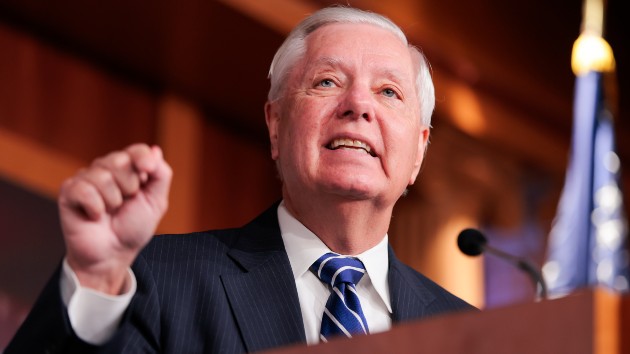
U.S. Sen. Lindsey Graham (R-SC) speaks during a press conference at the U.S. Capitol on April 27, 2026, in Washington, DC. Republican senators gathered to introduce legislation to fund construction of a White House ballroom as a secure alternative event space following the shooting at the White House Correspondents’ Association dinner in Washington, DC Saturday night. (Photo by Heather Diehl/Getty Images)
(WASHINGTON) — National political leaders and prominent figures from around the globe are remembering South Carolina Republican Sen. Lindsey Graham with a ceremony on Capitol Hill and a funeral service in Washington, D.C., on Tuesday.
President Donald Trump paid tribute to his close ally at Washington National Cathedral on Tuesday afternoon.
“Today, we gather in the deepest gratitude and profoundest sorrow to honor a beloved friend, a devoted brother, a respected statesman, a giant of the United States Senate and a true American original who left us much too soon,” Trump said. “And that can only be the one and only Lindsey Graham.”
The cathedral funeral is being attended by a number of world leaders, including Israeli Prime Minister Benjamin Netanyahu and Ukrainian President Volodymyr Zelenskyy. Graham worked closely with both men as a staunch ally to both nations. Graham spent some of his final days in Ukraine and met with Zelenskyy just before he died.
Sean Hannity and Graham’s niece, Emillie Boggs Roberts, will also deliver remarks.
Graham first was recognized with a ceremony in the Capitol rotunda Tuesday morning. His casket, draped in an American flag, was escorted by Air Force personnel and received by members of his family, including his sister Sen. Darline Graham, on the Capitol steps.
A great number of senators, both Democrats and Republicans, were in attendance. Senate Majority Leader John Thune and Vice President JD Vance gave remarks, as did South Carolina Republican Rep. Sheri Briggs.
Thune remembered Graham for his work in national security and defense, his efforts on the Senate Judiciary Committee and for his commitment to pro-life issues.
Thune seemed to choke back tears toward the ends of his remarks as he said a final goodbye to Graham.
“To Lindsey, rest in peace, my friend. I look forward to the days when you make us all laugh again,” he said.
Vance said he will remember Graham as someone who would fight alongside you on issues you both care about while respectfully disagreeing on others, and shared a story of an “intense argument” they had over Ukraine, but that it didn’t stop Graham from supporting him on another issue.
“I choose to remember Lindsey Graham as a person who could fight with you on one issue, but fight for you on another issue,” the vice president said. “I remember Lindsey Graham as a man who loved people, and because he loved people, he was willing to reason with them, to respect them, and ultimately to persuade them.”
“It was impossible not to like him — that swashbuckling, infectious laugh, that attitude, that passion that so many others have talked about. Lindsey Graham was impossible not to like as a human being, and of course, as a United States senator,” Vance added in his speech.
Graham served more than two decades in the Senate, becoming one of the chamber’s most recognizable Republicans and one of Trump’s closest friends and advisers. He advised the president on foreign matters, including the recent war in Iran, and was a prominent fixture of the Senate’s powerful Judiciary Committee.
He died suddenly and unexpectedly on July 11 at the age of 71. Preliminary findings from the Medical Examiner of the District of Columbia said that the senator died due to “aortic dissection due to arteriosclerotic cardiovascular disease.”
Graham’s casket will return to South Carolina on Wednesday, where further memorial services are set for Columbia, the state’s capital, and Pickens County, where Graham grew up and part of the district he represented.
The U.S. Air Force will rename Joint Base Charleston in South Carolina for Graham, a White House official confirmed on Tuesday.
The base, which falls under the command of the United States Air Force’s 628th Air Base Wing, will be renamed to Joint Base Lindsey Graham, according to a memorandum from Secretary of the Air Force Troy Meink dated July 27.
In the memo obtained by ABC News, Meink said that the renaming would honor “Graham’s decades of distinguished service to the United States Congress and the United States Air Force.” It was not immediately clear when the change would go into effect.
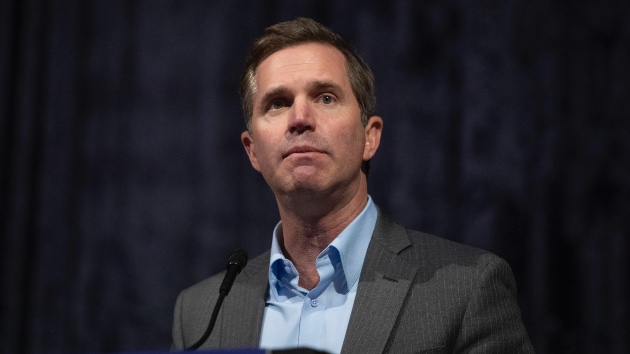
Kentucky Democratic Gov. Andy Beshear speaks at the 38th Annual Michigan Democratic Women’s Caucus Legacy Luncheon on April 18, 2026 in Detroit, Michigan. (Photo by Bill Pugliano/Getty Images)
(NEW YORK) — Kentucky Gov. Andy Beshear called on Monday for Sen. Mitch McConnell to either “verbally” show proof to Kentuckians that he can still serve in the Senate or to resign from Congress.
“Important events are happening in our country right now during your absence,” Beshear, a Democrat, wrote in a letter to the Republican senator, according to a copy obtained by ABC News.
McConnell has been hospitalized since June 14, according to his office, which said on July 12 that the 84-year-old senator was recovering from a fall that left him briefly unconscious. He also had to deal with a “mild case of pneumonia,” his office said.
“President [Donald] Trump is stuck in a war of his own making and has greatly strengthened the very country he claims is a threat,” Beshear wrote. “Prices continue to rise, crushing Americans who are working hard but not getting ahead. Americans’ voting rights are being eliminated by the Supreme Court and threatened by congressional action. All while you are absent and refuse to communicate clearly and directly to the people you serve.”
“As Governor of the state you serve, I am calling on you to directly and verbally address the people of Kentucky and provide proof of your capacity to serve, or resign,” he added.
ABC News reached out to McConnell’s office for comment, but didn’t immediately receive a response.
The letter followed a statement issued on Monday by McConnell’s office, in which the senator said he would miss an upcoming Kentucky political event in order to continue his rehabilitation.
“I’m still working hard to get back to my full schedule of work in the Senate and in Kentucky, keeping up with intense physical therapy per my doctors’ orders,” McConnell said in the statement.
McConnell’s office also included a new image of the senator and his wife, Elaine Chao, that it said was taken on Sunday, July 26.
Beshear on Monday also sent a separate letter to Senate Majority Leader John Thune, calling on Thune to investigate McConnell’s condition and, if McConnell does not show he can continue serving in the Senate, to begin the process of potentially expelling McConnell from the chamber.
“Per our research, a vacancy in the Senate occurs when a senator dies, resigns, or is expelled by a vote of the Senate itself,” Beshear wrote in the letter to Thune. “If Senator McConnell is unwilling to voluntarily show that he still has the capacity to serve, I will insist that you as the Majority Leader of the Senate fully investigate his condition, report to the American people, and begin the process if warranted.”
Beshear as governor does not have the authority to alter McConnell’s standing in the Senate. If McConnell’s seat were to become vacant, Beshear would likely have to set up a special election to fill it.
Kentucky lawmakers previously passed legislation that blocked the governor from having the ability to appoint a temporary replacement.