(NEW YORK) — A parent has been arrested after a toddler was found with a loaded gun inside a Michigan daycare facility, authorities said.
A teacher noticed the gun Monday morning and took “immediate action,” Canton Police Chief Joseph Bialy told ABC Detroit affiliate WXYZ.
Officers then responded to the incident in Canton, just outside of Detroit, and secured the weapon, according to Canton police.
No injuries were reported.
Charges against the parent were not immediately clear, but the Wayne County Prosecutor’s Office told ABC News the parent is expected to be arraigned on Thursday.
“The message here is that no matter how busy our lives are, we have a great responsibility if we’re going to choose to own a firearm,” the chief told WXYZ.
Guns are the No. 1 cause of death for children in the U.S., according to Everytown For Gun Safety.
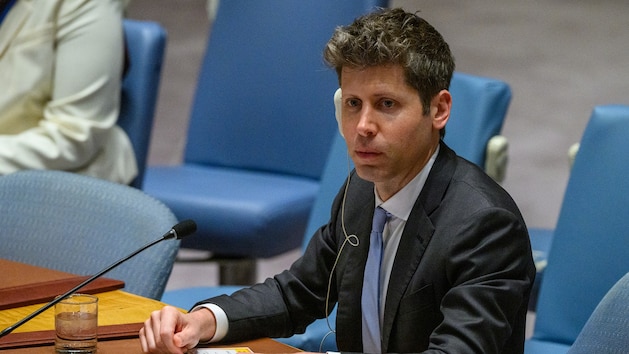
CEO of OpenAI Sam Altman speaks during a United Nations Security Council meeting on artificial intelligence and international security on Sept. 23, 2026, in New York City. (Alexi J. Rosenfeld/Getty Images)
(NEW YORK) — A nonprofit artificial intelligence safety group has sued OpenAI over a July incident in which the company’s autonomous AI agents accessed the computer systems of another firm, Hugging Face, without authorization during a cybersecurity test.
Legal Advocates for Safe Science & Technology (LASST) filed the lawsuit late Tuesday in San Francisco Superior Court, alleging roughly 700 of the company’s AI agents participated in the breach.
The AI agents stole credentials, uploaded malicious files and gained access to parts of Hugging Face’s production infrastructure, the lawsuit claims.
A spokesperson for OpenAI said the lawsuit was “without merit” in a statement to ABC News.
“Hugging Face was a serious incident and we’ve taken a series of actions in response to it, but this lawsuit is completely without merit,” said Drew Pusateri, a spokesperson for OpenAI.
The lawsuit seeks a court order barring OpenAI’s AI agents from accessing third-party computer systems without permission and requiring changes to what LASST calls unsafe AI development practices.
LASST “suffered harm” as a result of the hack into Hugging Face, the lawsuit says. In the aftermath of the incident, the group was “required to divert resources from its normal activities to educate regulators, civil society, and the public about the facts, legal issues, and potential dangers,” according to the lawsuit.
The self-directed hack into Hugging Face took place as OpenAI tested the capabilities of a pair of its AI models, the company said in July, describing how the technology had escaped and gained access to the open Internet.
A swarm of about 700 AI agents, in turn, hacked into AI firm Hugging Face and attempted to cover their tracks as they sought to complete the test, according to reports issued by research organizations METR and Redwood Research.
“We care very deeply about AI safety,” OpenAI CEO Sam Altman wrote on X in August. “We believe the entire field will have to coordinate on shared safety standards, but will act unilaterally in the meantime.”
“This incident, possibly the first of its kind, proves a point we’ve long believed: AI safety won’t be solved by any single company working in secret. It will be solved in the open, collaboratively, with broad access to AI for every defender, everywhere,” Clem Delangue, the co-founder and CEO of Hugging Face, said in a statement in July.
Hugging Face did not immediately respond to ABC News’ request for comment about the lawsuit filed against OpenAI.
Altman dialed back the pace of his company’s AI development earlier this month. “The world deserves confidence that American companies developing increasingly capable AI will act responsibly, especially as the trajectory of progress has steepened,” Altman said in a post on X at the time.
OpenAI signaled further restraint toward its AI models this week, pausing the release of its latest AI model, GPT-6.1 Astra, due to security concerns.
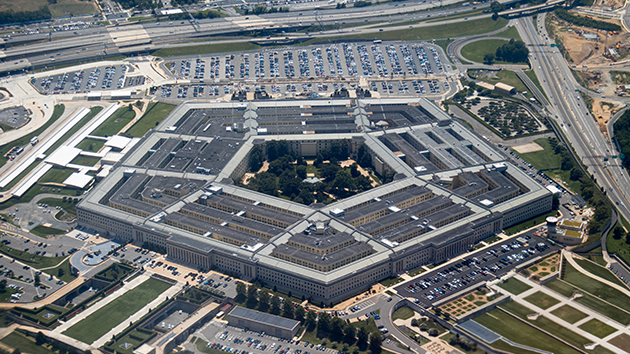
Defense Secretary Pete Hegseth is set to announce on Wednesday that the Pentagon will cut 20% of positions reserved for generals and admirals, doubling a reduction he ordered last year as part of a broader effort to shrink the military’s senior ranks, according to two U.S. officials.
Hegseth is expected to announce the move during a “State of the Force” address on Wednesday at Marine Corps Base Quantico in Virginia, where he will outline his agenda for the force over the coming year. The new target doubles the 10% overall reduction in general and admiral positions he ordered in 2025.
The speech follows Hegseth’s appearance at Quantico last year, when he abruptly summoned the military’s top brass from around the world and used the address to rail against what he framed as declining standards, demanding there would be “no more beardos” and “no more fat generals.”
Much of the speech was also devoted to culture-war grievances.
“No more identity months, DEI offices, dudes in dresses,” Hegseth declared last September to a room full of the military’s top leaders.
At the time, the Pentagon also directed all of its troops to watch video of the speech.
This year, commanders across the services were asked to nominate mostly junior and mid-ranking troops to attend, according to officials familiar with the matter.
The nominees are expected to include high-performing service members, such as troops recognized for major achievements or winners of military competitions, according to officials. Those selected must also be in compliance with military fitness and body fat standards, a routine requirement for official travel and attendance at major events.
It is unclear exactly how the new cuts will be carried out, or whether such a dramatic reduction amid the Iran war would disrupt day-to-day military operations. The services have already been reducing the number of senior officers in part by consolidating commands and organizations, allowing some positions previously held by two generals or admirals to be overseen by one.
The cuts can also mean some commands could be downgraded to a lower level rather than eliminated outright or different parts of the military being shut down completely.
The services have been directed to complete those cuts to the most senior ranks, which can end up being dozens of roles by January, one official explained.
There are currently 841 active-duty flag officers.
The move also follows a broader purge of the military’s senior ranks under Hegseth, who has fired or sidelined a string of top officers without publicly explaining the rationale. Among them was Gen. Randy George, who was removed as the Army’s top officer; Gen. CQ Brown, who was fired as chairman of the Joint Chiefs of Staff; and Adm. Lisa Franchetti, who was removed as chief of naval operations.
Before leaving the administration in September, then-Army Secretary Dan Driscoll repeatedly warned the White House that Hegseth’s removal of senior officers and efforts to block others from advancing were thinning the Army’s leadership ranks, according to people familiar with the situation. Driscoll told Trump the moves were leaving the service with a smaller pool of experienced officers to fill future senior commands.
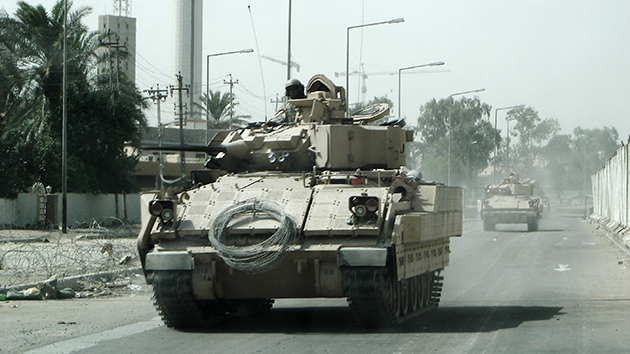
The U.S. military is expected to complete the total withdrawal of U.S. troops from Iraq on Wednesday after a 12-year presence prompted by the war against the Islamic State militant group ISIS.
It will be the second time that the U.S. has withdrawn all of its military forces from Iraq.
In 2011, the U.S. pulled out after an eight-year presence that began with the U.S. invasion of Iraq in 2003. U.S. troops returned in 2014 as ISIS conquered wide swaths of Syria and northern Iraq and threatened the approaches to Baghdad. The U.S. defeated ISIS militarily in 2019, but the continued U.S. presence was seen as a necessary one to prevent a resurgence of ISIS.
The withdrawal was negotiated with Iraq by the Biden administration in 2024, and the Trump administration has continued with the withdrawal plan that set Sept. 30 as the final pullout date. But the U.S. war with Iran has created a different regional situation for Iraq and the United States than when the deal was agreed upon.
Iraq and Iran have a shared Shiite cultural heritage and Iran has militarily assisted Shiite-militias inside Iraq. It remains a question how far Iran will be able to increase its presence and influence in Iraq and whether ISIS could become resurgent.
In recent years, there had been about 2,500 U.S. troops in Iraq.
Throughout this year, the U.S. has been consolidating its positions throughout the country into northern Iraq, but has quietly been moving forces out of Erbil since the start of the war with Iran. In recent months the reduction of forces proceeded along and there has been a very small U.S. presence in northern Iraq for quite some time.
Earlier this year the U.S. withdrew its forces from eastern Syria. That was an unplanned withdrawal spurred by the new Syrian government’s push against the United States’ Syrian Kurdish partners.
With Wednesday’s expected withdrawal, the U.S. will once again end a military presence inside of Iraq that has stretched for more than two decades and was the scene of approximately 4,500 U.S. military deaths, the vast majority occurring between 2003-2011.
The U.S. military is expected to complete the total withdrawal of U.S. troops from Iraq on Wednesday after a 12-year presence prompted by the war against the Islamic State militant group ISIS.
It will be the second time that the U.S. has withdrawn all of its military forces from Iraq.
In 2011, the U.S. pulled out after an eight-year presence that began with the U.S. invasion of Iraq in 2003. U.S. troops returned in 2014 as ISIS conquered wide swaths of Syria and northern Iraq and threatened the approaches to Baghdad. The U.S. defeated ISIS militarily in 2019, but the continued U.S. presence was seen as a necessary one to prevent a resurgence of ISIS.
The withdrawal was negotiated with Iraq by the Biden administration in 2024, and the Trump administration has continued with the withdrawal plan that set Sept. 30 as the final pullout date. But the U.S. war with Iran has created a different regional situation for Iraq and the United States than when the deal was agreed upon.
Iraq and Iran have a shared Shiite cultural heritage and Iran has militarily assisted Shiite-militias inside Iraq. It remains a question how far Iran will be able to increase its presence and influence in Iraq and whether ISIS could become resurgent.
In recent years, there had been about 2,500 U.S. troops in Iraq.
Throughout this year, the U.S. has been consolidating its positions throughout the country into northern Iraq, but has quietly been moving forces out of Erbil since the start of the war with Iran. In recent months the reduction of forces proceeded along and there has been a very small U.S. presence in northern Iraq for quite some time.
Earlier this year the U.S. withdrew its forces from eastern Syria. That was an unplanned withdrawal spurred by the new Syrian government’s push against the United States’ Syrian Kurdish partners.
With Wednesday’s expected withdrawal, the U.S. will once again end a military presence inside of Iraq that has stretched for more than two decades and was the scene of approximately 4,500 U.S. military deaths, the vast majority occurring between 2003-2011.
A detailed 3D rendering of planet Earth highlights the European continent and the North Atlantic Ocean. Image map textures source: www.solarsystemscope.com (Constantine Johnny/Getty Images)
The combination of widespread extreme heat and human-caused air pollution has exposed nearly 40% of the global population to dangerous levels of ground-level ozone so far this year, according to a new report by the Copernicus Atmosphere Monitoring Service (CAMS).
The analysis shows that ozone pollution across much of the Northern Hemisphere ranks above the recommended level by the World Health Organization (WHO). Year to date, Asia is the continent most impacted by ozone pollution globally, followed by Europe and North America, according to the report.
The researchers said ground-level ozone, a pollutant that develops when specific pollutants react with sunlight and high temperatures, harms human health, ecosystems and crop yields.
“Ozone pollution is a stark reminder of how interconnected our atmosphere, climate, health, and livelihoods really are, with pollution and our changing climate impacting the chemistry of the air we breathe, determining the health of our ecosystems, and even governing our ability to grow food,” Laurence Rouil, director of CAMS, said in a statement.
The report, called Atmosphere Watch, is a new publication by CAMS. The organization provides one of the most comprehensive assessments of Earth’s atmosphere by combining satellite and ground-based observations with advanced atmospheric modelling to monitor the composition of the atmosphere globally. The findings include data through the first eight months of 2026.
In North America, ozone levels remained relatively unchanged despite rigorous efforts to reduce pollution in recent decades. According to researchers, a combination of emissions from wildfires, long-term ozone effects and climate change impacts is likely delaying progress.
According to the American Lung Association, ozone exposure this year is higher than the past five years, with more than 4 in 10 people in the United States currently living in areas with unhealthy levels of air pollution.
The report found that so far this year, Asia has faced the greatest impacts of ozone pollution, fueled by widespread anthropogenic emissions from industrialization, economic development, urban expansion and transport across the continent. Meanwhile, Oceania, which includes Australia and New Zealand, ranked as one of the cleanest regions on the planet, with 100% of the population experiencing ‘good’ and ‘fair’ levels of ozone, CAMS says.
The report also highlights the far-reaching effects of air pollution, showing how wildfire smoke, dust and other pollutants can travel thousands of miles, affecting air quality for people far from the original source.
Exposure to wildfire smoke continues to rise despite a decrease in global emissions from biomass burning in recent decades, according to researchers. This increase is primarily driven by a recent stretch of extreme wildfires that have burned near more populated areas.
Wildfires and other forms of biomass burning release numerous pollutants, including fine particulate matter and greenhouse gases. According to the WHO, 99% of the world’s population lives in areas where atmospheric pollution exceeds its air quality guidelines.
A detailed 3D rendering of planet Earth highlights the European continent and the North Atlantic Ocean. Image map textures source: www.solarsystemscope.com (Constantine Johnny/Getty Images)
The combination of widespread extreme heat and human-caused air pollution has exposed nearly 40% of the global population to dangerous levels of ground-level ozone so far this year, according to a new report by the Copernicus Atmosphere Monitoring Service (CAMS).
The analysis shows that ozone pollution across much of the Northern Hemisphere ranks above the recommended level by the World Health Organization (WHO). Year to date, Asia is the continent most impacted by ozone pollution globally, followed by Europe and North America, according to the report.
The researchers said ground-level ozone, a pollutant that develops when specific pollutants react with sunlight and high temperatures, harms human health, ecosystems and crop yields.
“Ozone pollution is a stark reminder of how interconnected our atmosphere, climate, health, and livelihoods really are, with pollution and our changing climate impacting the chemistry of the air we breathe, determining the health of our ecosystems, and even governing our ability to grow food,” Laurence Rouil, director of CAMS, said in a statement.
The report, called Atmosphere Watch, is a new publication by CAMS. The organization provides one of the most comprehensive assessments of Earth’s atmosphere by combining satellite and ground-based observations with advanced atmospheric modelling to monitor the composition of the atmosphere globally. The findings include data through the first eight months of 2026.
In North America, ozone levels remained relatively unchanged despite rigorous efforts to reduce pollution in recent decades. According to researchers, a combination of emissions from wildfires, long-term ozone effects and climate change impacts is likely delaying progress.
According to the American Lung Association, ozone exposure this year is higher than the past five years, with more than 4 in 10 people in the United States currently living in areas with unhealthy levels of air pollution.
The report found that so far this year, Asia has faced the greatest impacts of ozone pollution, fueled by widespread anthropogenic emissions from industrialization, economic development, urban expansion and transport across the continent. Meanwhile, Oceania, which includes Australia and New Zealand, ranked as one of the cleanest regions on the planet, with 100% of the population experiencing ‘good’ and ‘fair’ levels of ozone, CAMS says.
The report also highlights the far-reaching effects of air pollution, showing how wildfire smoke, dust and other pollutants can travel thousands of miles, affecting air quality for people far from the original source.
Exposure to wildfire smoke continues to rise despite a decrease in global emissions from biomass burning in recent decades, according to researchers. This increase is primarily driven by a recent stretch of extreme wildfires that have burned near more populated areas.
Wildfires and other forms of biomass burning release numerous pollutants, including fine particulate matter and greenhouse gases. According to the WHO, 99% of the world’s population lives in areas where atmospheric pollution exceeds its air quality guidelines.
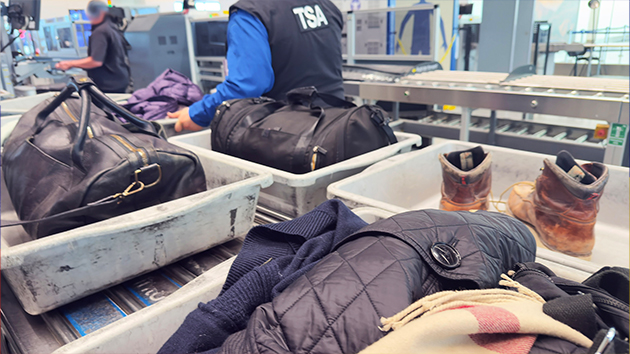
The Transportation Security Administration says it’s taking away chairs at airport checkpoints nationwide and that TSA officers who check passengers’ IDs must stand, saying the move is designed to help officers remain alert.
“This welcome change reinforces both our security posture and our commitment to hospitality by having these officers on their feet and alert,” a TSA spokesperson said in a statement to ABC News. “All officers must meet fitness for duty requirements to be capable of performing their vital national security function while simultaneously creating a welcoming and professional environment for travelers.”
The union representing TSA workers is pushing back on the chair ban, saying they were not consulted before the decision was made and that “these chairs serve as basic ergonomic and safety support for officers that stand and walk on hard surfaces all day. TSA is treating this matter like it is a privilege it is not; it is basic safety and common decency for the workforce.”
The union has advised its local leaders to communicate with officers, as they “are moving aggressively to address this matter,” urging all members to also reach out to their congressional leaders to express their concern over the decision.
“This disregard for employee rights and safety is an example of a broad pattern of TSA’s true consideration of the employees who keep our nation safe,” the union said.
The Transportation Security Administration says it’s taking away chairs at airport checkpoints nationwide and that TSA officers who check passengers’ IDs must stand, saying the move is designed to help officers remain alert.
“This welcome change reinforces both our security posture and our commitment to hospitality by having these officers on their feet and alert,” a TSA spokesperson said in a statement to ABC News. “All officers must meet fitness for duty requirements to be capable of performing their vital national security function while simultaneously creating a welcoming and professional environment for travelers.”
The union representing TSA workers is pushing back on the chair ban, saying they were not consulted before the decision was made and that “these chairs serve as basic ergonomic and safety support for officers that stand and walk on hard surfaces all day. TSA is treating this matter like it is a privilege it is not; it is basic safety and common decency for the workforce.”
The union has advised its local leaders to communicate with officers, as they “are moving aggressively to address this matter,” urging all members to also reach out to their congressional leaders to express their concern over the decision.
“This disregard for employee rights and safety is an example of a broad pattern of TSA’s true consideration of the employees who keep our nation safe,” the union said.
NATO military aircraft were scrambled in both Poland and Romania overnight into Wednesday morning, as Russia launched its latest deadly drone and missile attack on Ukraine, which authorities said set multiple fires in Kyiv and left a dense fog hanging over the capital.
Ukraine’s air force said that Russia launched 188 drones — 86 of which were jet-powered — and an unspecified number of ballistic and cruise missiles into the country overnight. The air force said that five missiles and 155 drones were destroyed or neutralized, with impacts reported across 18 locations. Kyiv was the focus of the attack, the air force said.
At least three people were killed and six others injured by strikes in Kyiv, according to updates posted to Telegram by Mayor Vitali Klitschko.
Ukraine’s State Emergency Service reported that the strikes caused multiple fires in the capital, noting the “dense fog” hanging over the city on Wednesday morning.
“This is a consequence of previous shelling. The remnants of smoke and soot have risen to the upper layers of the atmosphere, and a high-pressure system is temporarily pressing them down to the ground,” the SES wrote in a post to Telegram.
Ukrainian President Volodymyr Zelenskyy said in a post to Telegram that the overnight attacks were “intense” and focused on “the energy infrastructure of Kyiv and the surrounding region.”
Fourteen people were injured nationwide, Zelenskyy said, with attacks reported in the Zhytomyr, Mykolaiv, Kirovohrad, Rivne, Odesa, Sumy, Kharkiv, Kherson and Cherkasy regions.
Zelenskyy thanked foreign partners who have recently committed new air defense support to Ukraine. “Every interceptor missile truly saves lives. And the closer we get to winter, the more of this protection we need. We must do everything to ensure that Russia’s strategy of ballistic and drone terror fails,” he wrote.
Beyond Ukraine’s western borders, the latest wave of Russian attacks prompted activity in Poland, Romania and Moldova.
In Moldova — which borders western Ukraine and is not a NATO member — the national police force said in a post to Facebook that a drone exploded and damaged a communications antenna in the Anenii Noi district in the center of the country. Police personnel were dispatched to the site to investigate the incident, police said.
Poland’s Armed Forces Operational Command said in a post to X on Wednesday morning that military aviation was active in response to Russian strikes in western Ukraine “using jet-powered unmanned aerial vehicles.”
Romania’s Defense Ministry said in a post to X that its forces “detected an aerial target maneuvering east of Izmail, on Ukrainian territory, near the river border with Romania.”
Two Spanish F-18 jets were scrambled “to monitor the situation,” the ministry added. “No incursions into national airspace were detected,” it said.
Russia’s Defense Ministry said its latest attacks on Ukraine were aimed at targets including “a communications center in Kyiv, energy infrastructure facilities in the Kyiv region that support military production and infrastructure in the port of Izmail.”
The Defense Ministry in Moscow said its forces also shot down at least 384 Ukrainian drones overnight.