
US-Iran strikes ‘put into question’ key parts of MOU, Qatari official says

US-Iran strikes ‘put into question’ key parts of MOU, Qatari official says
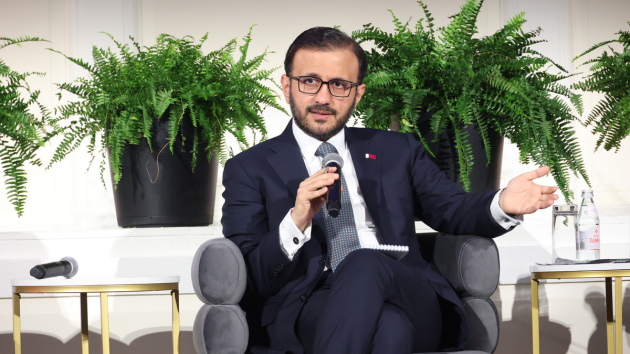
Dr. Majed al-Ansari, Advisor to the Prime Minister of Quatar and Official Spokesperson for the Ministry of Foreign Affairs, speaks onstage during Global Citizen NOW: Impact Sessions on September 24, 2025, in New York City. (Photo by Rob Kim/Getty Images for Global Citizen)

(LONDON) — Renewed fighting between the U.S. and Iran in the Middle East puts into question key elements of the memorandum of understanding (MOU) agreed by regional nations last month, a senior Qatari government official told ABC News on Thursday.

Majed al-Ansari, an adviser to Qatar’s prime minister and the spokesperson for the country’s Ministry of Foreign Affairs, said on the sidelines of the Chatham House think tank’s 2026 conference in London that Doha is hoping that intense rounds of reciprocal strikes between the U.S. and Iran do “not kill off the memorandum of understanding altogether.”

“But it does put into question a lot of other things that we have already agreed upon,” he said.

The past 48 hours, Ansari said, have been “quite tense.” He added that since the resumption of strikes, “We’ve seen again navigation through the Strait of Hormuz basically grind to a halt.”

“We are urging all sides to exercise restraint and give some more time for the talks,” Ansari said.

U.S. Central Command said it launched more than 170 strikes on Iranian targets over the past two days in response to alleged Iranian attacks on commercial shipping transiting the Strait of Hormuz earlier this week — allegations that Tehran denied. One of the ships attacked was a Qatari liquid natural gas tanker, the Al-Rekayyat, Qatar said.

In response to the U.S. strikes, the Iranian military claimed to have launched attacks on U.S. military facilities in Kuwait, Bahrain and Qatar.

The U.S. and Iran have traded several volleys of attacks since the MOU was signed on June 17.

Ansari denied the Iranian claim that it launched fresh attacks on Qatar on Thursday. “There haven’t been any attacks in Qatar. The Iranian claims, they’re claims. But our military was very much ready, immediately as the attacks began on the region,” he said. “We had some pass overs, but nothing targeting us.”

President Donald Trump on Wednesday suggested that the MOU was “over” following the reported Iranian attacks, dismissing leaders in Tehran as “scum” and threatening intensified military action.

Asked about those comments, Ansari said Doha and “all parties remain engaged in the talks.”

“Yes, we’re not at the place that we were hoping to be at this time in the chronology of where we wanted the talks to go. But talks have not broken down,” he said. “But, of course, any escalation on the ground derails the diplomatic work.”

Qatar — alongside Pakistan — played a key role in forging the 14-point MOU agreed in June, under which the U.S. and Iran agreed to the reopening Strait of Hormuz and the end of the U.S. naval blockade of Iranian ports. 

The agreement also stipulated that fighting would stop for 60 days while the U.S. and Iran negotiated the terms of a final deal, which would cover issues including Iran’s nuclear material.

Ansari said talks on that final deal are ongoing despite the escalating strikes and heated rhetoric from both Washington and Tehran.

“The easy answer is everybody’s talking to everybody,” he said when asked what was happening behind the scenes, noting that work is ongoing on all three separate tracks — one regarding the Strait of Hormuz, one regarding Iran’s nuclear program and the third regarding the sanctions on Iran and frozen Iranian assets.

“Our focus is on that diplomatic resolution right now,” Ansari added. “The focus has to be on the diplomatic track working, the talks succeeding and on the end of war to pave the way for sustainable peace in our region, and not for it just to be lulls between attacks.”

“No country, however strong that country is when it comes to its military, is able to withstand an unending military conflict in a small region like ours,” Ansari said.

Nonetheless, he said Qatar’s armed forces are prepared for renewed conflict. “We have taken all the contingencies in respect of what might happen in the region,” Ansari said. 

Qatar, he added, has “not taken part in any attacks against Iran or any other of our neighboring countries.” When asked if Doha would be willing to do so, Ansari replied, “We reserve the right to retaliate.”

Copyright © 2026, ABC Audio. All rights reserved.
What you need to know about cyclosporiasis: How it spreads, how it’s treated

What you need to know about cyclosporiasis: How it spreads, how it’s treated
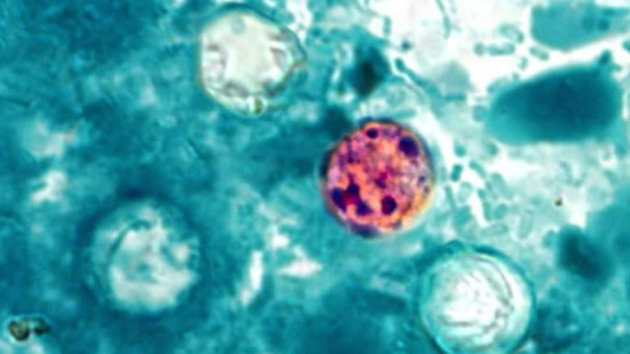
Cyclospora cayetanensis is a unicellular parasite that causes an intestinal infection called cyclosporiasis. (CDC)

(NEW YORK) — Multiple states are reporting an increase in cyclosporiasis cases, an intestinal infection caused by a parasite.

Health officials in Michigan have reported more than 1,200 cases and, in neighboring Ohio, cases have topped 170.

Here’s what you need to know about the infection, including how it spreads, how it’s diagnosed and how to treat it.

What is Cyclosporiasis?

Cyclosporiasis is an intestinal infection caused by the microscopic parasite Cyclospora cayetanensis, also known as Cyclospora, according to the Centers for Disease Control and Prevention (CDC).

The infection affects the small intestine and can cause watery diarrhea with sometimes “explosive” bowel movements, according to the federal health agency.

Other symptoms can include cramping, bloating, low-grade fever, nausea and vomiting.

The agency further said it takes about one week from the time of infection to become symptomatic, but that time can range from two days to two weeks.

How it spreads

The parasite usually spreads through food or water contaminated with feces, according to the CDC.

Foodborne outbreaks of cyclosporiasis have been linked to various types of imported fresh produce, such as raspberries, basil, snow peas, mesclun lettuce and cilantro, according to the CDC.

How the infection is diagnosed

A healthcare provider will diagnose cyclosporiasis by testing stool samples, according to the CDC.

Patients may have to submit several stool samples on different days to detect the parasite because laboratory tests may have a hard time detecting Cyclospora.

The CDC says a patient’s healthcare provider will need to specifically request testing for the parasite.

How cyclosporiasis is treated

Cyclosporiasis is treated with the oral antibiotic trimethoprim-sulfamethoxazole (TMP-SMX), commonly sold as Bactrim, Septra and Cotrim, and taken for 10 days, according to the CDC.

The CDC says most people with healthy immune systems will eventually recover without treatment, but if left untreated, patients may be sick for a few days to a month or longer.

How to prevent infection

It’s unclear exactly how Cyclospora contaminates food and water, according to the CDC.

The agency says people can prevent infection by thoroughly washing produce, cutting away bruised or damaged parts of fruits and vegetables, and refrigerating pre-prepared or pre-cut produce.

Additionally, the CDC recommends washing hands thoroughly with soap and water before handling or preparing raw fruits and vegetables.

Copyright © 2026, ABC Audio. All rights reserved.
Georgia officer charged with involuntary manslaughter after accidentally discharging gun during arrest: Court filing

Georgia officer charged with involuntary manslaughter after accidentally discharging gun during arrest: Court filing
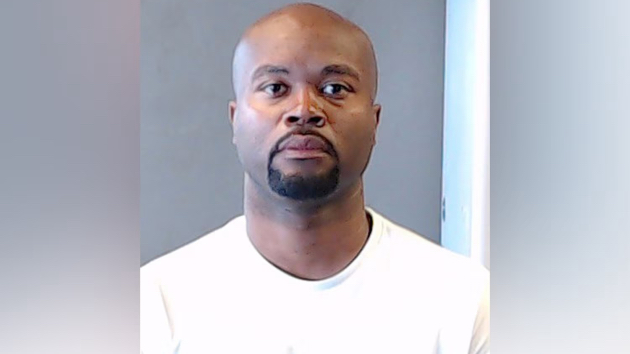
Derrick Harris Jr. is seen in a booking photo. (DeKalb County Sheriff’s Office)

(SAVANNAH, GA.) — A now-former Georgia police officer has been charged with involuntary manslaughter after he accidentally discharged his weapon during an arrest, fatally shooting a teenager he was attempting to handcuff, according to court filings.

The Georgia Bureau of Investigation (GBI) filed criminal charges against Derrick Harris Jr., 37, who was an officer with the DeKalb County Police Department, on Wednesday, a day after the deadly shooting.

The teen — 19-year-old Seth Jayden Eccles, of Savannah — was shot Tuesday evening in the backyard of a home in Avondale Estates, according to GBI.

U.S. Postal Inspection Service agents had questioned him earlier that afternoon regarding the armed robbery of a mail carrier, according to GBI. Law enforcement later learned he had an active arrest warrant and began searching for Eccles, who allegedly hid in nearby woods after being allowed to walk away following questioning, according to GBI.

After multiple 911 callers reported a suspicious person moving through the backyards of homes in Avondale Estates, Harris located Eccles in a backyard of a home, according to GBI.

Harris gave the teen verbal commands at gunpoint and Eccles complied, according to GBI. The teen was lying on his stomach as Harris attempted to take him into custody, with the officer holding a firearm in one hand at the teen’s back and handcuffs in the other, according to an arrest warrant affidavit.  

“During the process of attempting to handcuff Eccles, Harris accidentally fired his firearm,” the affidavit stated. “This accidental discharge resulted in the injury and death of Eccles.”

Eccles was transported to an area hospital, where he was pronounced dead, GBI said.

Harris has been charged with involuntary manslaughter, a felony, and reckless conduct, a misdemeanor, according to court filings.

A second arrest warrant affidavit alleges that Harris was “consciously disregarding a substantial and unjustifiable risk” and that his actions “constituted a gross deviation from the standard of care which a reasonable person would exercise in the situation.”

The investigation remains ongoing. Once complete, the case will be presented to the DeKalb County District Attorney’s Office for prosecution and review, GBI said.

Harris was booked into the DeKalb County Jail on Thursday. His bond was set at $10,000 and he has since bonded out, jail records show. Online court records do not list any attorney information for him. ABC News’ attempts to reach him over the phone were unsuccessful.

Following the charges on Wednesday, the DeKalb County Police Department said that Harris has been terminated due to “violations of laws.”

“This incident has had a profound impact on everyone involved. My thoughts and prayers remain with the family of Seth Jayden Eccles as they continue to grieve this tragic loss,” DeKalb County Police Chief Greg Padrick said in a statement. “This has also been a difficult time for the members of our department. The men and women of the DeKalb County Police Department remain committed to serving our community with professionalism, integrity, and compassion, and they will continue to serve the people of DeKalb County with honor, service, and partnership each and every day.”

DeKalb County CEO Lorraine Cochran-Johnson called Eccles’ death a “tragedy.”

“My heartfelt condolences are with his family and loved ones as they navigate an unimaginable loss,” she said in a statement on Wednesday. “Today’s criminal charges and the termination of our officer reflect our commitment to accountability. We understand no one is above the law and that accountability is essential to maintaining public trust.”

Copyright © 2026, ABC Audio. All rights reserved.

Legionnaires’ disease cluster in New York City grows to 36 cases

Legionnaires’ disease cluster in New York City grows to 36 cases
Illustration of Legionella pneumophila bacteria, the cause of Legionnaires’ disease. ( ROGER HARRIS/SCIENCE PHOTO LIBRARY/Getty Images)

(NEW YORK) — A Legionnaires’ disease cluster in New York City is growing, with 36 cases now confirmed, according to health officials.

As of Wednesday, there have been at least 22 hospitalizations and no deaths, according to the New York City Department of Health (NYC Health).

The cluster has affected the Upper East Side neighborhoods of Carnegie Hill and Yorkville, the department said.

In an earlier notice to the two neighborhoods, NYC Health said it believes the likely source of the bacteria is a cooling tower in the area, which sprays a mist that contains the bacteria. All area cooling towers were being tested for the bacteria, NYC Health said then.

There is no issue with any building’s plumbing system and residents in the affected areas can continue to drink tap water, bathe, shower, cook and use their air conditioners, NYC Health further said in the notice.

On Tuesday, New York Mayor Zohran Mamdani said his administration was implementing measures to publicly identify the specific buildings suspected as being sources of Legionella bacteria and require owners to clean cooling towers quickly.

Legionnaires’ disease is a severe form of pneumonia caused by inhaling the Legionella bacteria in small droplets of water mixed in the air or by contaminated water otherwise entering the lungs.

The bacteria are found naturally in fresh water but in amounts that generally don’t lead to disease. The bacteria typically grow best in warm water and in warm to hot temperatures, according to the Centers for Disease Control and Prevention (CDC).

The disease does not generally spread from person to person but infections can occur if the bacteria get into a building’s water supply, including in shower heads, sink faucets, hot water tanks, heaters, cooling towers and other plumbing systems.

Legionnaires’ disease has increased in prevalence over the last decade, reaching a peak in the U.S. of 2.71 cases per 100,000 in 2018, the CDC said. Cases declined during the first year of the COVID-19 pandemic and then rebounded in 2021.

Although most people recover from Legionnaires’ disease with antibiotics, certain patients – including those who are immunocompromised or who suffer from chronic lung diseases – can develop complications that can be fatal.

About one out of every 10 people who develop Legionnaires’ disease will die due to complications, according to the CDC. Among those who develop Legionnaires’ disease at a healthcare facility, about one of every four people will die, the CDC says.

Copyright © 2026, ABC Audio. All rights reserved.

‘Every American should be alarmed’: Lawyer for former Olympian David Hearn speaks out about Reflecting Pool case

‘Every American should be alarmed’: Lawyer for former Olympian David Hearn speaks out about Reflecting Pool case
The Lincoln Memorial reflecting pool along the National Mall on Tuesday, July 3, 2026 in Washington, D.C.Rushed work continues at the White House and across the nation’s capital in preparation for the country’s 250 anniversary on July 4. (Photo by Finn Gomez/Getty Images)

(WASHINGTON) — Former U.S. Olympian David Hearn appeared in D.C. Superior Court on Thursday and pleaded not guilty through his attorney to the felony charge he faces for allegedly damaging the Lincoln Memorial Reflecting Pool.

Hearn was seated between his attorneys, Steven Levin and Mary Dohrmann, with another attorney, Norm Eisen, seated behind them in a packed courtroom.

A sizable crowd gathered outside the courtroom and Eisen said that Hearn was being used as a “scapegoat” for the administration’s “failures” on one of Donald Trump’s pet Washington beautification projects.

The Reflecting Pool turned green and pieces of the liner started bubbling up to the surface after it was painted last month. It was plagued with algae and peeling paint since the Trump administration completed the $16 million renovation of the landmark.

President Donald Trump shifted the blame to vandals, without providing evidence. Hearn was among those arrested and Trump threatened 10-year prison terms. 

Dohrmann, a former federal prosecutor who previously served on Special Counsel Jack Smith’s investigative team, entered the not guilty plea on Hearn’s behalf. Assistant U.S. Attorney Kevin Reddington was the lone prosecutor from the Justice Department present at the hearing, which concluded after only 13 minutes. 

Judge Carmen McLean ordered Hearn released on his own recognizance and set the next status hearing in the case for Wednesday, Aug. 5. 

Hearn was indicted on July 2 for allegedly “maliciously” destroying part of the lining of the Reflecting Pool. The single count of destruction of property — for a 2 square foot section of the massive pool — carries a sentence of up to 10 years in prison.

Eisen, an attorney for Hearn, briefly addressed reporters outside of court, drawing cheers from the crowd as he maintained his client’s innocence while declining to discuss substantive details about the case. 

“Today, Davey Hearn pled not guilty because he is not guilty,” Eisen said. “If Mr. Hearn can be charged with a felony for touching the Reflecting Pool, every American is at risk and every American should be alarmed about this prosecution. This indictment reflects the administration’s effort to scapegoat Davey and to shift blame for their own failures.”

Eisen previewed an aggressive legal strategy to challenge the legality of the indictment similar to other foes of Trump who have accused the administration of weaponizing the Justice Department against them. 

“We anticipate receiving substantial discovery,” Eisen said. “The evidence will establish, as we have stated today, Mr. Hearn is innocent. We will reserve questions about exactly what happened for the trial. That is what the justice system is for.”

U.S. Attorney for the District of Columbia Jeanine Pirro announced the indictment in a press conference, alleging that Hearn was “forcefully and violently” pulling up the liner and “damaged approximately 2 square feet of sealant from the bottom of the pool.”

Hearn previously told ABC News that police arrested him after he touched a piece of blue coating that was partially detached from the bottom of the Reflecting Pool. He said he went for a bike ride on June 19 and stopped by the pool as a “curious, concerned citizen.”

“I did not remove, I did not damage, I did not rip, tear, break, destroy or harm any part of the Reflecting Pool,” Hearn told ABC News. 

The Lincoln Memorial Reflecting Pool is now being drained after the issues, which Trump blamed on vandals, including one he said used a boxcutter or knife to make a 350-foot gash in the pool. When asked by ABC News last Thursday about the president’s claim, Pirro said, “Someone intentionally did a tremendous amount of damage to the pool, and you can actually see where all the cutting is.”

Copyright © 2026, ABC Audio. All rights reserved.
El Nino is strengthening: Here’s what it means for the US

El Nino is strengthening: Here’s what it means for the US
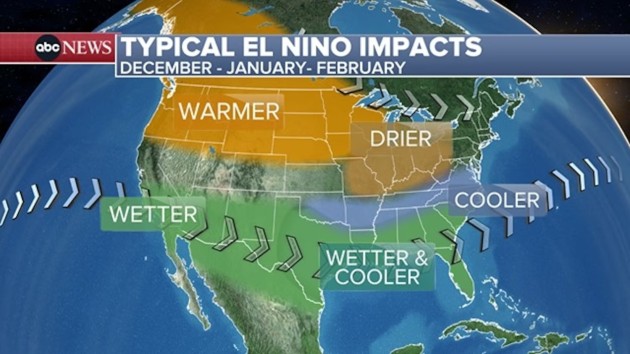
Typical El Nino Impacts. (ABC News)

(NEW YORK) — El Nino conditions continue to intensify and are likely to be a strong event in the coming months, significantly influencing our weather, the hurricane season and global temperatures, according to the latest forecast from the National Oceanic and Atmospheric Administration (NOAA).

There is very high confidence that El Nino will continue through early spring 2027.

NOAA’s latest forecast calls for a strong El Nino to develop by the fall, with an 81% chance of a very strong El Nino between October and December, which could also end up being one of the strongest events on record. Historical records go back to 1950.

Stronger El Nino events only make certain impacts more likely and do not always guarantee strong impacts, NOAA noted.

El Nino refers to the warmer-than-average phase of the El Nino–Southern Oscillation (ENSO), a natural cycle where sea surface temperatures across the central and eastern equatorial Pacific Ocean rise and fall. The cooler-than-average phase is called La Nina, while near-average conditions are known as ENSO-neutral.

NOAA ranks the strength of El Nino events by measuring the sea surface temperature departure from average (anomaly) across this region, classifying events as weak, moderate, strong or very strong.

“El Nino conditions are already underway and are forecast to strengthen rapidly into a strong event,” WMO Secretary-General Celeste Saulo said in a statement. “This will intensify the chances of drought and heavy rainfall and the risk of heatwaves on land and marine heatwaves in many regions of the world.”

While adjectives such as “super” and “extreme” are popular ways of describing the strength of an El Nino event on social media, NOAA and the WMO classify by strength. The WMO noted in a recent statement that “the term [[super]] is not part of standardized operational classifications.”

Typical El Nino impacts across the United States

Impacts from El Nino, similar to La Nina, tend to be most consistent and pronounced from late autumn through early spring following the event’s onset, NOAA says. There is usually a delay between the onset of the event and many of the associated effects.

“The more consistent impacts on precipitation and temperature don’t occur until the winter months — so for 2026-27,” Michelle L’Heureux, physical scientist at NOAA’s Climate Prediction Center, said.

Experts caution that the impacts on weather patterns are nuanced. Each season is different, and typical El Nino conditions don’t always materialize.

“Every El Nino is different in terms of timing, magnitude, and geographic extent, and such differences lead to variability in the impacts — on temperatures and rainfall, for example — on a global scale,” Andrew Kruczkiewicz, senior staff researcher at Columbia Climate School, said.

Northeast: Warmer-than-average temperatures are favored across the northern half of the U.S. during meteorological winter (December to February), however its influence is less pronounced in the Northeast, compared to the Upper Midwest and Northwest.

El Nino typically increases the odds of above-average snowfall in the mid-Atlantic and coastal areas of the Northeast as storms often move up the coast. Farther inland, drier-than-average conditions and less snow are more likely.

South: During the winter months, near- to below-average temperatures are favored along the southern tier of the U.S., especially from Texas to the Southeast.

For precipitation, wetter-than-average conditions are typically observed across Texas, the Gulf Coast and Southeast. Below-average precipitation is frequently observed across parts of the south-central Mississippi Valley.

Midwest: Warmer-than-average temperatures are favored from the northern Plains into the Great Lakes in the winter. Drier-than-average conditions are frequently observed across parts of the Ohio Valley and Great Lakes regions.

El Nino typically increases the odds of above-average snowfall in the south-central Plains with below-average snowfall favored in northern Plains and Great Lakes regions.

West: During the winter months, warmer-than-average temperatures are likely across much of the Northwest. For precipitation, wetter-than-average conditions are typically observed across southern California and much of the Southwest, with below-average precipitation frequently observed across parts of the northern Rockies.

El Nino typically increases the odds of above-average snowfall in the southern Rockies, with below-average snowfall favored in the northern Rockies.

Meanwhile, above-average tropical activity in the eastern Pacific increases the likelihood of indirect impacts to the southwestern U.S., such as sending more rain to the region and more frequent flash flood concerns.

Alaska: El Nino impacts in Alaska tend to be more pronounced than across much of the contiguous U.S., with the strongest effects typically occurring during the winter and spring months. During winter, warmer- and drier-than-average conditions are more likely, with less snowfall and reduced snowpack.

Above average temperatures often persist into spring, while precipitation trends closer to average. However, warmer conditions typically mean more precipitation falls as rain rather than snow, prolonging snow deficits.

Hawaii: Rainfall is typically above average across Hawaii the year an El Nino event develops before conditions become drier during the winter months and remain dry well into the following year. The shift toward drier weather can increase the likelihood of drought and elevate the risk of wildfires.

Meanwhile, above-average tropical activity in the eastern Pacific increases the risk of impacts from tropical systems across the Hawaiian Islands.

El Nino’s influence on hurricane season activity

While El Nino is only one of several key factors that influence tropical activity, forecasts now indicate it will be a strong event during the peak of the hurricane season, making it the primary driver of activity in both the Atlantic and eastern Pacific in the coming months.

El Nino conditions often suppress tropical activity during the Atlantic hurricane season by producing unfavorable atmospheric winds. In the Eastern Pacific, the opposite occurs, with favorable conditions supporting above-average hurricane season activity.

As a result, NOAA’s May 21 hurricane outlook is predicting below average tropical activity for the 2026 Atlantic hurricane season with above average activity likely in the eastern Pacific.

“El Nino increases convection (thunderstorms) across the eastern and central Pacific, which causes downstream wind shear over the Atlantic from strong upper-level winds,” Andy Hazelton, an associate scientist at the University of Miami’s Cooperative Institute for Marine and Atmospheric Studies, said.

Vertical wind shear, which refers to changes in wind speed and direction with height in the atmosphere, is often a primary factor in below-average hurricane season activity. Strong vertical wind shear can tear a developing tropical system apart or even prevent it from forming, NOAA says.

“The rising motion over the Pacific also leads to increased subsidence (sinking air) over the Atlantic, which suppresses thunderstorms and tropical cyclone development,” Hazelton added.

Other factors, such as sea surface temperatures, also play an important role in tropical cyclone development and strength. Unseasonably warm ocean waters can partially offset the effects of unfavorable atmospheric winds, according to forecasters.

Copyright © 2026, ABC Audio. All rights reserved.

No arrests made 1 month after mysterious killing of New Jersey mom

No arrests made 1 month after mysterious killing of New Jersey mom
Stock image of police tape. (halbergman/Getty Images)

(CHESTER TOWNSHIP, N.J.) — More than one month after a New Jersey mom was killed in her suburban home, prosecutors say no arrests have been made.

Brooke Hanlon, 35, was found dead in her house in Chester Township after officers responded to a 911 call in the late afternoon of June 6, the Morris County Prosecutor’s Office said.

Her death was ruled a homicide from “multiple sharp force injuries,” prosecutors said.

Hanlon is survived by her husband and baby daughter, according to Fox News Digital.

Hanlon’s sister, Paige Haggerty, told Fox News Digital that “Brooke was the sweetest, purest person that I have ever known in my entire life,” and she called Hanlon’s baby “the only saving grace.”

The 35-year-old worked as a therapist in Bernardsville, New Jersey, according to LifeStance.

“We are deeply saddened at the passing of our teammate Brooke Hanlon,” a LifeStance spokesperson told ABC News in a statement. “Brooke was a beloved member of our Bernardsville team and an exceptional therapist who was highly dedicated to her clients. Our thoughts and deepest sympathies are with Brooke’s family and friends during this difficult time.”

Prosecutors said the case is active and ongoing.

Officials urge anyone with information to call the Morris County Prosecutor’s Office at 973-285-2900, Chester Police at 908-879-5100 or CrimeStoppers at 973-267-2255. A reward up to $1,000 is available, Morris County Sheriff’s CrimeStoppers said.

Copyright © 2026, ABC Audio. All rights reserved.
Western Europe just experienced its hottest June on record

Western Europe just experienced its hottest June on record
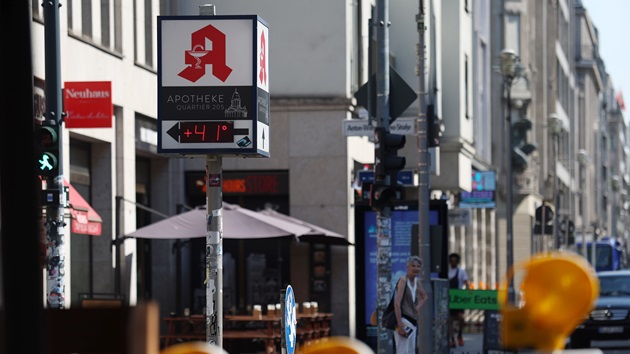
A display indicates the temperature of 41 degrees Celsius during a sweltering summer day on June 27, 2026 in Berlin, Germany. (Maryam Majd/Getty Images)

(LONDON) — One of the most brutal heat waves to impact Europe in the last 50 years broke temperature records in multiple countries, according to Copernicus, Europe’s climate change service.

Western Europe, the region most affected by the heat wave during the second half of June, experienced its warmest June on record, the agency said.

The average land temperature in Europe in June 2026 was the second-highest on record, at 19.14 degrees Celsius, or 66.45 degrees Fahrenheit, according to Copernicus. This marks 1.78 degrees Celsius, or 3.2 degrees Fahrenheit, above the 1991 to 2020 average for the month.

Rising atmospheric and ocean temperatures “reflect a climate system continuing to accumulate heat” — resulting in increasingly intense heatwaves, a persistently warm ocean and growing risks for people and ecosystems, Samantha Burgess, strategic lead for climate at the European Centre for Medium-Range Weather Forecasts, said in a statement.

“June 2026 underscored how profoundly the climate is changing,” Burgess said. “Western Europe recorded its warmest June on record, and continued record warmth in the global ocean.”

Many June and some all-time records for daily maximum temperature were broken in several countries, according to Copernicus.

Weather officials in the United Kingdom said temperatures on June 24 rose in some areas to 35.7 degrees Celsius, or about 96.2 degrees Fahrenheit, topping a June 1976 record of 35.6 C.

In France, the country’s national heat index — a daily average — hit 30 degrees Celsius, or about 86 degrees Fahrenheit, on June 24 — the highest-ever temperature recorded, according to weather officials at Meteo-France, the national weather service. High temperatures in Paris were in the triple digits in the days after.

The Louvre and the Eiffel Tower closed early several days in a row as a result of the high temperatures.

The high temperatures also impacted cities like Madrid and Rome, which hit the high 90s during the last week of June.

Reuters reported there were more than 5,000 excess deaths in Germany alone — mostly residents 75 and older — and another 4,700 deaths in France, Belgium, Spain and the Netherlands between June 20 and 28.

“Heat stress is often called the ‘silent killer’ – and European homes, workplaces and schools were not built for these temperatures,” WHO Director-General Dr. Tedros Adhanom Ghebreyesus said in an X post.

Overall, the planet experienced its second-warmest June globally, according to Copernicus.

In addition, much of Western Europe, including Italy, large parts of central and eastern Europe and the southern U.K., experienced drier-than-average conditions, associated with persistent high-pressure and heatwave conditions, according to Copernicus.

River flow was also below average across Europe, consistent with the widespread dry conditions, according to Copernicus. Large parts of France, much of central and eastern Europe and parts of northeastern Europe were especially impacted.

Globally, June 2026 was the second-warmest on record, with an average surface air temperature of 16.5 degrees Celsius, about 61.8 degrees Fahrenheit — about .56 degrees Celsius, or about 1 degree Fahrenheit — above the June average for 1991 to 2020.

Sea surface temperature at extrapolar oceans, or oceans outside the Arctic and Antarctic, was the highest on record for June at 20.86 degrees Celsius, or 69.5 degrees Fahrenheit, according to Copernicus.

Surface sea temperatures also remain “exceptionally high” across a large portion of the tropical Pacific, where El Nino conditions are present and forecast to strengthen in the coming months, the agency said.

Copyright © 2026, ABC Audio. All rights reserved.
Cyclosporiasis cases top 1,200 in Michigan, health officials say

Cyclosporiasis cases top 1,200 in Michigan, health officials say
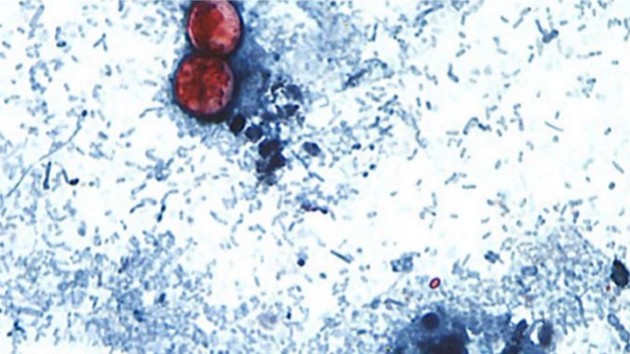
Cyclospora cayetanensis is a unicellular parasite that causes an intestinal infection called cyclosporiasis. (CDC)

(LANSING, Mich.) — Reported cases of cyclosporiasis, an intestinal illness caused by a parasite, have topped 1,200 in Michigan, local health officials said Thursday.

Since June 22, at least 1,251 cases have been confirmed, according to the Michigan Department of Health and Human Services (MDHHS) . At least 36 people have been hospitalized.

Typically, the state sees about 50 cases per year.

Dr. Natasha Bagdasarian, an infectious disease physician, epidemiologist and the chief medical executive for the state of Michigan, told ABC News earlier this week that the department’s working hypothesis is the outbreak is linked to contaminated produce.

The parasite usually spreads through food or water contaminated with feces, according to the Centers for Disease Control and Prevention (CDC).

Foodborne outbreaks of cyclosporiasis have been linked to various types of imported fresh produce, such as raspberries, basil, snow peas, mesclun lettuce and cilantro, according to the CDC.

The MDHHS spokesperson said on Wednesday that no specific produce, grower, supplier or type of produce has been identified as the source.

Michigan is not the only state reporting cases. The CDC said there have been 145 cases detected in 17 states since May 1, excluding Michigan. No deaths have been reported.

The CDC said patients’ ages cases ranged from 5 through 86 and 61% were female.

Some patients do not experience any symptoms but, for those who do, the most common symptom is “explosive watery diarrhea,” doctors previously told ABC News. Other symptoms can include cramping, bloating, low-grade fever, nausea and vomiting, the doctors said.

The CDC says it takes about one week from the time of infection to become symptomatic, but that time can range from two days to two weeks.

Because cyclosporiasis symptoms can resemble other illnesses, it may be hard for a patient to determine the cause.

“Anyone experiencing gastrointestinal illness, such as sudden and ongoing diarrhea, should contact their health care provider and their local health department,” the MDHHS spokesperson told ABC News in an email.

Copyright © 2026, ABC Audio. All rights reserved.

Man arrested for allegedly throwing Molotov cocktails at Queens houses of worship

Man arrested for allegedly throwing Molotov cocktails at Queens houses of worship
Stock image of Molotov cocktail. (Sinenkiy/Getty Images)

(NEW YORK) — A man was arrested after he allegedly threw Molotov cocktails at two different houses of worship and another building in Queens Wednesday night, the New York City Police Department said.

Officers responded to a 911 call at Iglesia Bautista El Mesias Church in Ozone Park around 11:35 p.m. about a man allegedly throwing the incendiary device, according to the NYPD.

Surveillance footage showed the suspect lighting the Molotov cocktail and then throwing it at the church before walking away after it exploded on the ground, police said.

The New York City Fire Department put out the fire. No one was hurt and there was no significant damage to the building, according to the police.

Alex Garcia, the pastor of the church, told ABC News’ New York City affiliate WABC that the house of worship has been around for 20 years.

“We have no enemies, so I don’t know where this is coming from,” he told the station.

The suspect, who police only identified as a 36-year-old man, then allegedly traveled a mile north to Kingdom Hall of Jehovah’s Witnesses and allegedly lit and threw another Molotov cocktail at the house of worship, according to investigators.

There were no reported damage or injuries at that location, police said.

The suspect was arrested by police later in the night, according to the NYPD.

Investigators discovered that he allegedly threw another Molotov cocktail at a third location in the area, according to the NYPD. That building also sustained no damage, and there were no injuries, investigators said.

Police alleged that the suspect had a bag with two other Molotov cocktails inside at the time of his arrest.

The suspect’s charges and arraignment were pending as of Thursday morning, police said. The investigation is ongoing.

Copyright © 2026, ABC Audio. All rights reserved.