
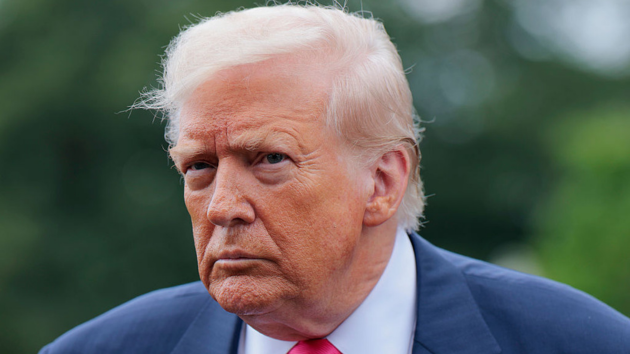
Republicans dodge, laugh off questions about Trump’s gift plane from Qatar

Republicans dodge, laugh off questions about Trump’s gift plane from Qatar
Win McNamee/Getty Images

(WASHINGTON) — Republicans were on Capitol Hill Monday night as they dodged or laughed off ABC News’ exclusive reporting that President Donald Trump was considering accepting a luxury jet as a gift from the Qatari government to potentially use as Air Force One.

While several senators avoided questions or made jokes, few were willing to give a full-throated defense of the proposed gift.

Like most Republicans, Sen. Cynthia Lummis, R-Wyo., initially said she didn’t know enough about the story to comment but called it “an interesting one.”

When ABC News told her that Trump intended to use the gifted plane as Air Force One, she broke into laughter. “It might make me consider the appropriateness of that? Yes,” she said.

Asked if she had security concerns about its use as Air Force One, she broke out laughing and said, “Well, they better sweep that plane from front to back.”

Sen. Josh Hawley, R-Mo., made a tongue-in-cheek comment of his own when asked about security concerns.

“Well, I think it’d be better if it were a big, beautiful jet made in the United States of America,” he said.

Majority Leader John Thune said he needed more information on the reports before he could make an appropriate assessment. “I don’t know enough about it yet and I don’t know that it’s — I don’t know if there’s — any offer. I’m sure if and when we have more information, we’ll sort it out,” Thune said.

House Speaker Mike Johnson refused to comment, saying he didn’t have enough information. “I’m not going to comment on it,” Johnson said, adding, “I haven’t seen all the details about it.”

When asked about the price tag of the potential gift — an estimated $400 million – Sen. John Kennedy, R-La., sidestepped the issue.

“I think we ought to follow the law, whatever that is,” he said. “Well, France gave us the Statue of Liberty,” Kennedy told reporters.

Copyright © 2025, ABC Audio. All rights reserved.
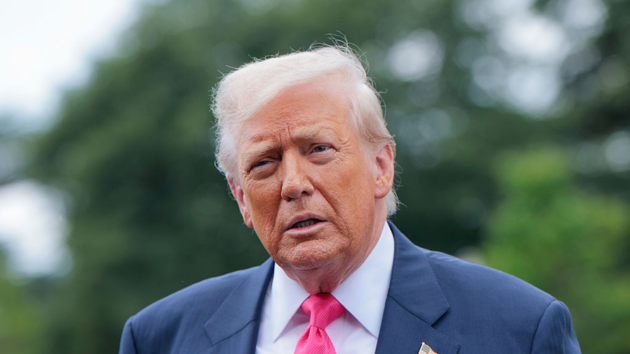
House GOP plows ahead with efforts to cut $880 billion despite internal differences

House GOP plows ahead with efforts to cut 0 billion despite internal differences
House GOP plows ahead with efforts to cut $880 billion despite internal differences
Tom Williams/CQ-Roll Call, Inc via Getty Images

(WASHINGTON) — House Republicans will plow ahead Tuesday to advance key components of their bill to fund President Donald Trump’s agenda — including taxes and Medicaid cuts — even as they remain at odds over several critical issues.

The House Energy and Commerce Committee, which has jurisdiction over energy and health care programs, and the House Ways and Means Committee, which has jurisdiction over taxes, will both hold marathon markups in hopes of moving the legislation to the floor.

The movement on the critical pieces of the “big, beautiful bill” comes as Speaker Mike Johnson faces resistance from different wings of his caucus with only three votes to spare in his razor thin majority.

Texas Republican Rep. Chip Roy said Monday he’s opposed to the proposals and needs “significant” changes to support the final package.

“I remain open-minded because progress has been made based on our forceful efforts to force change. But we cannot continue down the path we’ve been going down – and we will need SIGNIFICANT additional changes to garner my support,” he said in a post on X.

Trump repeatedly promised on the campaign trail and in the White House to not cut Medicaid and he and Republicans said they’ll come up with savings by cutting waste and fraud in the program.

Before heading off on a four-day trip to the Middle East on Monday, he urged Republicans to “UNIFY” around the bill and said the executive order he signed Monday that would “slash the cost of prescription drugs” and the “hundreds of billions of tariff money coming in” should be factored into the bill’s scoring.

With Republicans in control of both chambers of Congress, they are using a process called reconciliation that only requires a simple majority for passage to fast-track their legislation.

Republicans unveiled legislative text over the weekend that outlined their plans to slash Medicaid spending by imposing work requirements for recipients, make more frequent eligibility checks, and penalize states like New York and California that offer Medicaid to illegal immigrants.

The Congressional Budget Office wrote in a letter to Energy and Commerce Chairman Brett Guthrie that the proposal met its lofty target for $880 billion of savings over the next decade.

The Energy and Commerce committee resisted pressure from hardliners like Roy who demanded GOP leaders propose lowering the percentage the federal government pays to states’ Medicaid programs or include per-capita caps on federal Medicaid payments to states.

The health portions would save about $715 billion, according to CBO. However, at least 8.6 million more Americans will go uninsured.

Some culture war issues were addressed in the bill, including a provision to strip Medicaid funding from organizations that offer abortion services such as Planned Parenthood.

The legislation has already received pushback from Republicans in the Senate who will have to go along with it, including Missouri Sen. Josh Hawley, who wrote an opinion piece in the New York Times Monday warning against moves to cut Medicaid.

“This wing of the party wants Republicans to build our big, beautiful bill around slashing health insurance for the working poor. But that argument is both morally wrong and politically suicidal,” Sen. Hawley wrote.

Meanwhile, the Ways and Means Committee, which is marking up the tax portion of the bill, outlined a permanent extension of Trump’s 2017 Tax Cuts and Job Act, as well as making good on his campaign promises like no tax on tips and no tax on overtime.

The plan would temporarily increase the child tax credit, create a MAGA savings account for children and temporarily increase the standard tax deduction. It also calls for a $4 trillion increase to the debt ceiling, which Congress must address by mid-July to avoid default.

The legislation also includes one of the most controversial components — a tax proposal that would hike the cap on state and local tax deductions (SALT) from $10,000 to $30,000 for those earning less than $400,000, which some moderate Republicans from states with higher taxes say is not enough.

New York Rep. Nick LaLota said he is “still a hell no” in a post on X.

Rep. Mike Lawler of New York told Bloomberg TV the proposal was “woefully inadequate,” adding that he will vote against the bill if it comes to the floor.

“We will continue to work in good faith with leadership, with the administration to get this done, but we need to have an honest and serious discussion about the issue,” he added.

Here’s what’s in the bill:

Medicaid cuts

Medicaid work requirements: The bill would impose work requirements on able-bodied Medicaid recipients — at least 80 hours per month — or require enrolling in an educational program for at least 80 hours or some combination per month.

More frequent eligibility checks: The legislation would require states to conduct more frequent eligibility determinations — from every 12 months to every six months.

Prohibits Medicaid funds for gender transition for minors: The measure would ban federal Medicaid funds from going to gender-affirming care for transgender minors.

Blocks Medicaid funding for non-citizens: Federal funding would be blocked from going to states that provide health care coverage under Medicare for migrants in the country without authorization.

Targets Medicaid funding for organizations that provide abortions: The measure includes language that would essentially prohibit health care providers who offer abortion services from receiving Medicaid funds.

Drug pricing: The bill makes a change to the Inflation Reduction Act and allows drugs to be exempt from Medicare’s drug price negotiation if they are approved to treat multiple diseases.

Cuts energy programs in Inflation Reduction Act: The proposal would cut Inflation Reduction Act programs like spending on electric vehicles, claw back climate-related federal funding and phase out clean energy credits.

Tax provisions

No tax on tips: A huge tax break for the service industry and a provision that was also trumpeted by Kamala Harris as the Democratic nominee for president, though she tied the tax break to an increase for the federal minimum wage. This is temporary and would expire at the end of 2028.

No tax on overtime: Would relieve millions of Americans who work overtime. This is temporary and would also expire at the end of 2028.

Extension of 2017 Tax Cuts and Job Act: Makes tax from the 2017 Tax Cuts and Jobs Act permanent; does not include a tax increase on the wealthiest earners. Trump posted last week that the proposal shouldn’t raise taxes on high-earners, “but I’m OK if they do!!!”

Creation of MAGA savings account for children: The contribution limit for any taxable year is $5,000. It includes a pilot program to start the accounts with $1,000.

SALT: Lifts state and local tax deduction cap to $30,000 with an income phase-down above $400,000. Married couples filing taxes separately are subject to a $15,000 cap and phase-down above $200,000 income.

Debt limit increase: The measure calls for increasing the debt limit by $4 trillion. Treasury Secretary Scott Bessent said last week lawmakers must address the debt limit by mid-July to avoid a default.

Enhanced tax deduction for seniors: Seniors would get a $4,000 higher standard tax deduction subject to income limits. This is temporary and would also expire at the end of 2028.

Hikes excise tax on colleges: Those with endowments over $2 million per student would increase from 1.4% to 21%, targeting Ivy League schools. Religious schools would be exempt.

Child tax credit: A temporary increase from $1,000 to $2,500 through 2028 and to $2,000 after that. Recipients will be required to have a Social Security number.

Deduction for qualified business: The bill would increase the deduction for qualified business income from 20% to 22%.

Extends increased estate and gift tax exemption: Would increase the estate and gift tax exemption to $15 million.

Elevates standard tax deduction: The measure includes some new tax cuts like temporarily elevating the standard deduction by $2,000 to $32,000 for 2025 for joint filers and by $1,000 to $16,000 through 2028.

Copyright © 2025, ABC Audio. All rights reserved.
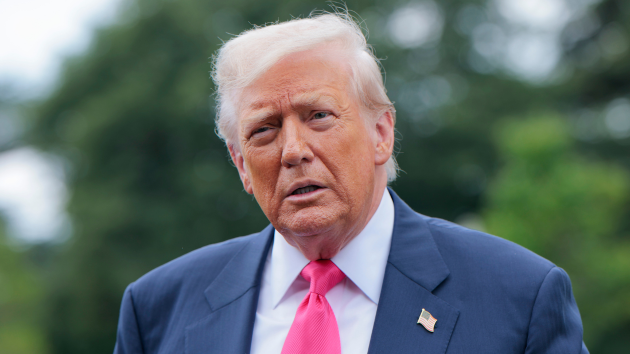
To fill ambassador ranks, Trump taps more friends, supporters than any recent president: Experts

To fill ambassador ranks, Trump taps more friends, supporters than any recent president: Experts
Anna Moneymaker/Getty Images

(WASHINGTON) — As the Trump administration pushes its “America First” agenda, cutting foreign aid agencies and challenging longtime allies, President Donald Trump has tapped a roster of ambassadors with more personal and financial ties than any recent president, former diplomats and foreign policy experts told ABC News.

Trump has, in just over 100 days in office, selected family members, wealthy members of his clubs, and high-profile media backers to carry out his “America First” mission at key outposts across the globe. Nearly all have lengthy records of publicly and vocally supporting the president, while only a handful have diplomatic backgrounds or experience in foreign services.

Trump’s diplomatic nominees have also collectively poured tens of millions of dollars into his political operations, with the so-called “donor to ambassadorship pipeline” — where major political fundraisers secure plush ambassadorial appointments — becoming more pronounced under the second Trump presidency.

“It’s the sale of diplomatic posts in return for campaign money, and both sides have been playing that,” said Anthony Gardner, a former ambassador to the European Union under the Biden administration. “Indeed, it’s been happening across the aisle for a long time, for decades even, and it’s gotten much more pronounced in this term, the second Trump term, than ever before.”

At least 38 of the 50 individuals announced or confirmed to diplomatic positions so far have either donated to or helped fundraise for Trump-connected political entities, directing at least $46 million to his presidential campaigns, various pro-Trump super PACs, or to Trump’s record-breaking second inaugural committee, disclosure records show. Those figures do not account for additional contributions bundled by those individuals.

By comparison, according to government ethics advocacy group Campaign Legal Center’s analysis from 2023, former President Joe Biden’s ambassador appointees together gave a total of $22 million to various Democratic candidates and groups, including to the Biden campaign, in the ten years prior to their nomination.

Trump has also tapped several members of his extended family for diplomatic roles, nominating Charles Kushner, his eldest daughter’s father-in-law, as ambassador to France, and Kimberly Guilfoyle, his eldest son’s ex-fiancée, as ambassador to Greece.

ABC News has reached out to the White House for comment.

Ed McMullen, a prolific Republican bundler and Trump’s former ambassador to Switzerland, says that a close personal relationship with the president can be a key strength as an ambassador, noting Guilfoyle as an example.

“Since the founding fathers, Thomas Jefferson and Benjamin Franklin serving as our first ambassadors were close to the president,” McMullen said. “There are supporters, they’re donors, they’re hard-working advocates, they’re friends. This is the case with every ambassador.”

“When you’re in Europe or anywhere in the world, and you’re an ambassador representing the president of the United States and you can pick up the phone and call him and have a one-on-one relationship with the president, the president and the government of the country you’re hosted in will be extremely appreciative of that timely efficacy that occurs from that,” McMullen said, recounting his experience as an ambassador under the first Trump presidency.

“That’s the whole purpose of having political appointees and not career people in critical countries with allies and friends,” he said.

But Campaign Legal Center’s Senior of Direct of Ethics Kedric Payne told ABC News that if nominees have no prior diplomatic experience beyond their personal relationship with the president, it can leave the impression that “qualifications don’t matter as much as who you know.”

“When you have something as critical as foreign policy based on who you know, it does diminish trust in government that these decisions are not based on the greater public interest,” Payne said.

Trump’s diplomatic nominees, like his cabinet picks, also include a high number of high-worth individuals. For the G7 alliance of the U.S., Canada, France, Germany, Italy, Japan, and the U.K., Trump has assembled one of the wealthiest group of ambassadors to hold those spots, with three billionaires out of the five nominees that have been named so far.

The three billionaires — Kushner, GOP megadonor and financier Warren Stephens, and Houston Rockets owner Tilman Fertitta — together disclosed assets that could be worth a combined value of more than $8 billion. Kushner — who disclosed the extent of his private wealth for the first time — reported owning assets potentially worth more than $3.6 billion, boasting a vast real estate portfolio across the United States, and reporting earnings as high as half a billion dollars in income last year.

The two other G7 ambassadors — George Glass and Pete Hoekstra — are returning diplomats from Trump’s first term.

Others who Trump has tapped as ambassadors this time around include Herschel Walker, the former NFL star who unsuccessfully ran for Georgia Senate in 2022; Bill White, Trump’s longtime friend and Palm Beach neighbor who rallied conservative LGBTQ votes in support of Trump during the last presidential election; and Leandro Rizzuto, a Conair heir who was picked as an ambassador during Trump’s first term but failed to get confirmed by the Senate.

Among the campaign surrogates and allies who have received ambassadorships are Mayor Amer Ghalib of Hamtramck, Michigan, who helped bring together Muslim voters in Michigan for Trump; CatholicVote.org co-founder Brian Burch, a vocal critic of late Pope Francis; and ex-border patrol union leader Bradon Judd, who often spoke about immigration and border security at Trump rallies.

Several of those nominees have already faced a tough confirmation process as critics have questioned their qualifications.

Last week, Kushner, who pleaded guilty to 18 charges related to illegal campaign contributions and tax evasion in 2004 and was pardoned by Trump a month before he left the White House in his first term, was pressed by Senate Democrats about his past legal woes during his confirmation hearing.

During the hearing, Kushner acknowledged that his past run-in with the law was “a very, very, very serious mistake” but maintained his experience has helped him make better judgments and has made him “more qualified” for the ambassador role.

Other ambassador nominees who have faced legal troubles include White, the ambassador nominee to Belgium and former head of New York’s Intrepid Sea, Air & Space Museum, who paid a $1 million settlement for his alleged role in an alleged illegal pay-to-play state pension fund scheme in New York, for which he denied wrongdoing.

Trump’s former inaugural committee chair Tom Barrack, who was charged for alleged illegal foreign lobbying on behalf of the United Arab Emirates in 2021, was acquitted when a jury found him not guilty on all his charges. Barrack has been nominated to serve as Trump’s ambassador to Turkey, a key diplomatic position that until recently was held mostly by career diplomats, and he touted his experience dealing with “business, governmental, legal and cultural issues in Europe, the Middle East and Asia” in his Certificate of Competency submitted through the State Department.

Walker, who lost his Senate race to incumbent Democratic Sen. Raphael Warnock in the runoff election, faced allegations of violent behavior and forcing multiple women to have abortions — allegations he denied.

For Rizzuto, his nomination to become the ambassador to the Organization of American States is the second time he’s vying for an ambassadorship, after facing bipartisan opposition during Trump’s first term for his ambassador nomination to Barbados, largely due to his now-deleted social media posts about Trump’s political rivals during the 2016 election in which he called Mitt Romney a “Dumb A–” and Hillary Clinton a “terrorist with amnesia,” while accusing Sen. Ted Cruz’s wife Heidi of being a leader in the North American Union movement, “whose goal is to destroy the sovereignty of the United States.”

Trump, during his first term, eventually appointed Rizzuto to head the U.S. consulate in Bermuda, which does not require Senate confirmation.

Amid diplomatic challenges that include the conflict in the Middle East and high stakes tariff negotiations, only a handful of ambassadors have been confirmed and sworn in so far — including former Arkansas Gov. Mike Huckabee as the ambassador to Israel, former Georgia Sen. Davie Perdue as the ambassador to China, and Trump’s campaign surrogate and former acting Attorney General Matt Whitaker as ambassador to NATO.

Huckabee, who is the father of Trump’s former press secretary and now Arkansas Gov. Sarah Huckabee Sanders, has had a lucrative year in 2024, earning more than $6 million from his various private ventures, including millions from his television and radio host work and nearly half a million each from Substack subscriptions and dozens of speaking engagements, according to financial disclosures.

Numerous other ambassador nominees, including Walker and Guilfoyle, have yet to publicly release their financial disclosures through the Office of Government Ethics, nor have they released their Certificates of Competency through the State Department — both of which must be filed before Senate confirmation.

Payne, of the Campaign Legal Center, said that without those disclosures, it’s difficult to know a nominee’s financial interests and qualifications.

“It is not a problem that a person simply contributes to the president and becomes an ambassador,” Payne told ABC News. “The problem is when that person is not qualified for the position.”

Payne stressed that it’s too early to make overarching observations about the qualifications of Trump’s ambassador picks — but he said that, no matter who the president is, diplomats must be qualified for their role.

“What’s happening in the Trump administration now, where foreign policy is so critical and so delicate based on issues that are happening with tariffs and other administrative policies, it’s the worst time to have unqualified representatives of United States in these countries,” Payne said.

Copyright © 2025, ABC Audio. All rights reserved.
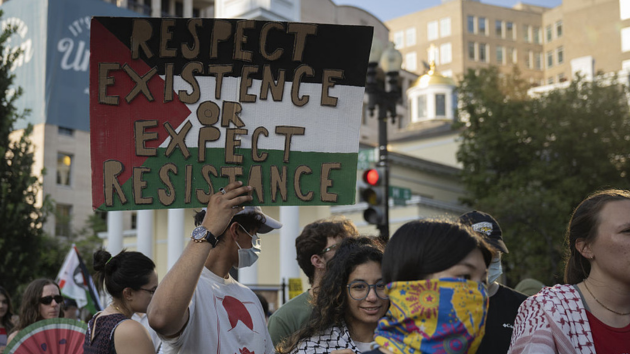
Trump administration defends white South African refugee program amid group’s US arrival

Trump administration defends white South African refugee program amid group’s US arrival
Saul Loeb/AFP via Getty Images

(WASHINGTON) — A flight carrying 59 refugees from South Africa landed in the United States on Monday afternoon — as the Trump administration insists that the expedited process for white South Africans to seek refuge in the United States has nothing to do with race.

The South African refugees’ arrival also comes amid the administration’s efforts to halt refugee programs from other countries.

Hours before the flight arrived at Dulles International Airport, President Donald Trump defended his administration’s decision to offer refugee status to the Afrikaners — a white minority group in South Africa. The president said that the asylum program is because there is a race-based genocide in the country.

“They happen to be white, but whether they’re white or black makes no difference to me, but white farmers are being brutally killed and their land is being confiscated in South Africa, and the newspapers and the media, television media doesn’t even talk about it,” Trump said during remarks at the White House.

Last week, White House press secretary Karoline Leavitt said this group of South Africans “has faced racial persecution.” She also went on to claim their farmland is being taken away. However, a law passed by South Africa earlier this year does not allow land to be expropriated without an agreement with the owner.

South Africa’s government has pushed back, saying the “allegations of discrimination are unfounded.”

“The South Africa Police Services statistics on farm related crimes do not support allegations of violent crime targeted at farmers generally or any particular race,” the South African government said in a statement last week. “There are sufficient structures available within South Africa to address concerns of discrimination. Moreover, even if there are allegations of discrimination, it is our view that these do not meet the threshold of persecution required under domestic and international refugee law.

Trump adviser Elon Musk has repeatedly talked about South Africa, his country of birth, on his social media account saying that the country is anti-white.

Deputy Secretary of State Christopher Landau greeted a group of about three dozen South Africans, many waving American flags, after they got off the plane at the airport in Northern Virginia.

Asked about the administration’s apparent prioritization of white South African refugees over others who are persecuted in their countries of origin, Landau harkened back to the pause on refugee admissions that Trump implemented when he retook the White House.

“That pause, of course, was subject, from the very beginning to exceptions where it was determined that this would be in the interest of the United States. Some of the criteria are making sure that refugees did not pose any challenge to our national security and that they can be assimilated easily into our country,” Landau said. “All of these folks who have just come in today have been carefully vetted pursuant to our refugee standards, and whether or not the broader refugee programs for other people around the world will be lifted is still an ongoing consideration.”

In March, Trump said that he would give some South African farmers and their families a pathway to citizenship. In the same month, the Trump administration kicked out the South African ambassador to the U.S.

In February, Trump signed an executive order that froze all aid to South Africa.

The South African government said in a statement that the order “lacks factual accuracy and fails to recognise South Africa’s profound and painful history of colonialism and apartheid.”

“It is ironic that the executive order makes provision for refugee status in the U.S. for a group in South Africa that remains amongst the most economically privileged, while vulnerable people in the U.S. from other parts of the world are being deported and denied asylum despite real hardship,” the South African government said in the statement.

The Trump administration quickly gave Afrikaners’ applications the green light – while it has paused refugee programs from other countries, including Afghanistan.

Copyright © 2025, ABC Audio. All rights reserved.

Trump defends Qatar jumbo jet offer, says it would be ‘stupid’ to turn away free plane

Trump defends Qatar jumbo jet offer, says it would be ‘stupid’ to turn away free plane
Marco Mantovani/Getty Images

(WASHINGTON) — President Donald Trump on Monday defended the administration’s plans to receive a luxury jumbo jet donated by the Qatari government, saying it would be “stupid” not to accept a free plane.

During remarks at the White House on Monday, before embarking on a four-day trip to the Middle East, Trump called the donation a “very nice gesture” when pressed by reporters if Qatar had asked for anything in exchange.

“I think it’s a great gesture from Qatar. Appreciate it very much,” Trump said. “I would never be one to turn down that kind of an offer. I mean, I could be a stupid person and say, ‘No, we don’t want a free, very expensive airplane.’ But it was, I thought it was a great gesture.”

“I think it was a gesture because of the fact that we help, have helped, and continue to, we will continue to all of those countries, Saudi Arabia, the UAE, Qatar and others,” he continued.

Trump said he doesn’t plan to use the plane after he leaves office.

Further pressed by ABC News Senior Political Correspondent Rachel Scott on what he would say to people who view the luxury plane as a personal gift to him, Trump said it was not a gift to him but “a gift to the Department of Defense.”

Sources familiar with the proposed arrangement told ABC News that the plane would be a gift that is to be available for use by Trump as the new Air Force One until shortly before he leaves office, at which time ownership of the plane will be transferred to the Trump presidential library foundation.

Such an arrangement is sure to raise questions about whether it is legal for the Trump administration, and ultimately, the Trump presidential library foundation, to accept such a valuable gift from a foreign power.

On Monday, Trump referenced an anecdote involving the professional golfer Sam Snead to explain his acceptance of the plane.

“He had a motto, when they give you a putt, you say, ‘Thank you very much.’ You pick up your ball and you walk to the next hole,” he said. “A lot of people are stupid. They say, ‘No, no, I insist on putting it.’ And then they putt it, they miss it, and their partner gets angry at them. You know what? Remember that Sam Snead: when they give you a putt, you pick it up and you walk to the next hole and you say, ‘Thank you very much.'”

The White House is working on the “legal details” of the donation, press secretary Karoline Leavitt said on Monday.

“The Qatari government has graciously offered to donate a plane to the Department of Defense, the legal details of that are still being worked out,” Leavitt said in an appearance on Fox News.

“But, of course, any donation to this government is always done in full compliance with the law. And we commit ourselves to the utmost transparency and we will continue to do that,” Leavitt added.

A senior White House official said the plane will not be presented or gifted while the president is in Qatar this week on a tour of the Middle East, marking the first official foreign trip of Trump’s second term.

In a social media post Sunday night, Trump confirmed his administration was preparing to accept the aircraft, calling it a “very public and transparent transaction” with the Defense Department.

Trump had previously toured the plane, which is so opulently configured it is known as “a flying palace,” while it was parked at the West Palm Beach International Airport in February.

House Speaker Mike Johnson said he would not comment on Trump preparing to receive the jet from Qatar because he hasn’t seen the “details.”

Copyright © 2025, ABC Audio. All rights reserved.
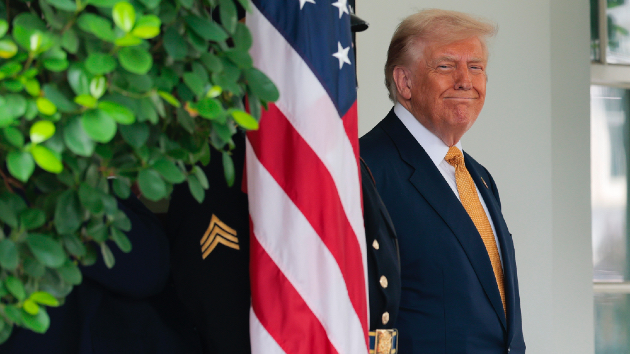
What’s in the US-China trade framework?

What’s in the US-China trade framework?
Chip Somodevilla/Getty Images

(WASHINGTON) — A trade agreement between the U.S. and China on Monday slashed tit-for-tat tariffs between the world’s two largest economies and triggered a surge in the stock market.

The U.S. agreed to cut tariffs on Chinese goods from 145% to 30%, while China committed to reduce tariffs on U.S. products from 125% to 10%. The lowered tariffs will remain in place for 90 days while the two sides negotiate a wider trade deal.

Still, the agreement appeared to leave key sticking points unresolved as the two countries work through a newly established mechanism for further discussions.

In a joint statement, the U.S. and China touted the agreement as evidence that both sides recognize the “importance of a sustainable, long-term, and mutually beneficial economic and trade relationship.”

Here’s what to know about the new trade framework:

Lower tariffs
The trade agreement temporarily reduces tariffs imposed by the U.S. and China in the aftermath of Trump’s “Liberation Day” announcement last month.

The previous set of sky-high tariffs had threatened a surge in prices and a possible U.S. recession, experts told ABC News.

Jonathan Pingle, chief U.S. economist at Swiss investment bank UBS, estimated the reduction in U.S. levies on China would bring average U.S. tariffs down from 24% to 14%.

In a statement to ABC News, Pingle described the agreement between the U.S. and China as a “cooling off.”

Sector-specific tariffs on autos, aluminum and steel remain in place for Chinese goods, Trump told reporters at the Oval Office on Monday. Trump also said China would be subject to tariffs the White House plans to impose on pharmaceuticals.

The agreement preserves a set of 20% tariffs targeting China over its role in fentanyl trade, as well as a 10% levy slapped on imports from nearly all countries.

A plan for further negotiations
The framework established a mechanism for negotiations between the U.S. and China, setting up the countries for further discussions during the 90-day period of reduced tariffs.

Senior officials from both sides will take part in the talks, the statement added.

Treasury Secretary Scott Bessent and United States Trade Representative Jamieson Greer will represent the U.S., while China will be represented by Vice Premier of the State Council He Lifeng, a longtime associate of Chinese President Xi Jinping.

Shang-Jin Wei, a professor of finance and economics at Columbia University who studies the U.S.-China trade relationship, described the mechanism for negotiations as “meaningful.”

“It’s not an empty statement – there will be negotiations,” Wei said.

But, Wei added, the agreement struck on Monday amounts to a “temporary solution” as the two sides engage in a challenging set of discussions over the next few months.

“There’s a lot of uncertainty about what will happen in 90 days,” Wei said.

Sticking points remain unresolved
Speaking at the White House on Monday, Trump acknowledged that verbal commitments made by both sides must be “papered,” meaning the broad accord has yet to be formalized through detailed agreements.

Trump has previously said he would like to narrow a $300 billion U.S. trade deficit with China, and roll back what he describes as non-tariff barriers to U.S. trade. The framework announced on Monday did not detail steps toward those efforts, Wei said.

The agreement also appeared to lack final resolution for a key sticking point centered on U.S. access to important materials largely controlled by China.

China imposed export restrictions on some rare earth elements and magnets that make up critical inputs in some U.S. auto, energy and defense products.

For now, Chinese companies can still export to U.S. customers, though the Chinese firms must receive approval from the Chinese government.

After the agreement, U.S. buyers are expected to have an easier path for such approval, but the restrictions are not expected to be fully removed, Reuters reported.

Rare earths are vital for a range of defense technologies, including F-35 fighter jets, Tomahawk missiles and radar systems, the Center for Strategic and International Studies, or CSIS, said last month.

The U.S. will likely also seek guarantees from China about the purchase of U.S. products, including agricultural goods, Wei said.

Meanwhile, Wei added, China will want to safeguard its access to U.S. markets, ensuring such exports continue to help drive the Chinese economy.

“China probably wants to adjust to reduce its dependence on U.S. markets,” Wei said. “But it wants to make sure those markets don’t go right away.”

Copyright © 2025, ABC Audio. All rights reserved.
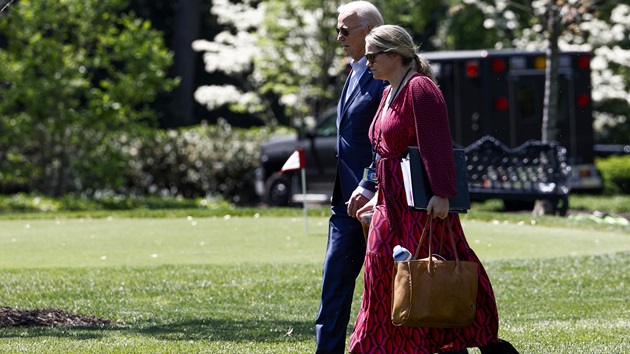
Trump to embark on Middle East trip to strengthen ties with Gulf states

Trump to embark on Middle East trip to strengthen ties with Gulf states
Anna Moneymaker/Getty Images

(WASHINGTON) — President Donald Trump on Monday will embark on a four-day tour of the Middle East, stopping in Saudi Arabia, Qatar and the United Arab Emirates on a trip underscoring the deepening economic ties between the United States and the Gulf kingdoms.

Traveling to a region facing ongoing diplomatic, political and security challenges — including Iran’s nuclear program, the humanitarian crisis in Gaza and war between Israel and Hamas, and the fate of Syria following a brutal 14-year civil war — Trump is expected to focus on business development and trade agreements on his trip, following commitments from Saudi Arabia and the United Arab Emirates to invest hundreds of billions of dollars in the United States and on joint investments over the next several years.

On Friday, White House press secretary Karoline Leavitt said Trump’s trip will “focus on strengthening ties” between the U.S. and the Gulf nations.

“President Trump will return to reemphasize his continued vision for a proud, prosperous and successful Middle East where the United States and Middle Eastern nations are in cooperative relationship and where extremism is defeated in place of commerce and cultural exchanges,” she said.

Saudi Crown Prince Mohammed bin Salman pledged to invest $600 billion in the United States over four years after Trump’s November victory, and the United Arab Emirates have also committed to a $1.4 trillion U.S. investment package over the next decade. Business and technology leaders will be convening in Riyadh around Trump’s trip for a Saudi-U.S. investment forum.

ABC News has also reported that the Trump administration is preparing to accept a luxury Boeing jumbo jet from the Qatari royal family for use as a presidential aircraft before being transferred to the Trump presidential library foundation after his term ends.

White House press secretary Karoline Leavitt responded to ABC News’ reporting, saying in a statement that “any gift given by a foreign government is always accepted in full compliance with all applicable laws.”

The president’s family has also traveled to the region and has expanded its business interests in the Middle East: The Trump Organization has partnered with developers on new projects in Saudi Arabia, Doha and the United Arab Emirates, and is involved in a cryptocurrency venture connected to a fund with ties to the Emirati government.

Leavitt on Friday dismissed questions about the president’s family’s business dealings in the region ahead of his trip and said Trump “has actually lost money for being president of the United States.”

“The president acts with only the interests of the American public in mind, putting our country first and doing what’s best for our country — full stop,” she said.

“It’s frankly ridiculous that anyone in this room would even suggest that President Trump is doing anything for his own benefit. He left a life of luxury and a life of running a very successful real estate empire for public service,” she later added.

Trump also began his first term in office with a visit to Saudi Arabia, in a break with his predecessors who had visited traditional U.S. allies and major trade partners on their first official foreign trips.

That trip to Saudi Arabia — which also included stops in Israel and later in Europe — focused on encouraging local partners to redouble efforts to fight “extremism” and terrorist groups, and work to marginalize Iran.

Since then, Saudi Arabia and other Gulf states have improved relations with Iran, and are now supportive of the Trump administration’s diplomatic efforts to address Iran’s nuclear program.

“Both the Saudis and the Emiratis have decided that their priority is economic investment and getting away from energy, and that war with Iran is like a big danger to all of that. So they’ve completely shifted on Iran,” Ilan Goldenberg, a Middle East specialist who worked in the Obama and Biden administrations, told ABC News.

The ongoing war between Israel and Hamas and the humanitarian crisis in Gaza also looms over Trump’s trip, given Israel’s plans to expand military operations in Gaza.

In Riyadh, Trump is expected to join a Gulf Cooperation Council meeting before he travels to Qatar.

While the president has aimed to ink a regional diplomatic agreement expanding on the Abraham Accords of his first term, the war in Gaza has effectively frozen efforts to normalize diplomatic relations between Israel and Saudi Arabia and other Arab countries, experts told ABC News.

“From the Saudi perspective, it makes it harder” to improve diplomatic relations with Israel, Zineb Riboua, a fellow with Hudson Institute’s Center for Peace and Security in the Middle East. “Because of what has happened and what is currently happening [in Gaza], they are struggling.”

Trump could hear from Arab leaders about the humanitarian situation in Gaza, given the U.S.’s ongoing military support for Israel, and Israeli plans to expand its campaign in Gaza to root out Hamas.

In February, Trump proposed that the U.S. “take over” Gaza and help rebuild it, a plan that was rejected by Arab leaders, who put forward their own counterproposal that the U.S. and Israel have opposed.

There have also been disputes between the U.S., Israel and Arab nations over how to administer humanitarian aid blockaded by Israel to Palestinians in Gaza.

Though the trip is Trump’s first planned foreign trip, he traveled to Rome and the Vatican in April to attend the funeral of Pope Francis.

On the sidelines of that trip, Trump met with Ukrainian President Volodymyr Zelenskyy as the two countries worked to cement a minerals deal.

Saudi Arabia has hosted bilateral peace negotiations between Russia and Ukraine, underscoring the kingdom’s growing political influence, in addition to its economic and commercial importance in the region.

Trump “sees the Gulf as they see themselves, as a real fulcrum of global power,” Jon Alterman, the Middle East Program Chair at Center for Strategic and International Studies, told ABC News.

“A lot of people in the world think the Gulf is an outlier. A bunch of small, wealthy states that rely on the United States for security, protection. The Gulf sees itself differently, and the president is suggesting he sees the Gulf differently,” Alterman said.

Trump could receive a lavish welcome from the Gulf monarchs in the region, similar to the royal treatment he received when he visited Saudi Arabia in 2017.

The Saudis rolled out the red carpet for his arrival, greeting him at the airport with a military jet flyover and later awarding him a gold medal — the nation’s top civilian honor — and treating him to a traditional sword dance.

Trump’s trip also comes on the heels of Hamas announcing that they will be releasing Israeli soldier Edan Alexander, a dual US citizen, which will be part of steps taken to achieve a ceasefire. Hamas said that they have been in contact with American officials over the last few days over the efforts to try and achieve a ceasefire deal.

President Donald Trump posted on his social media platform, Truth Social, Sunday evening, confirming that Alexander will be released from Hamas. Trump did not specify when Alexander was expected to be released, but said, “This is the first of those final steps necessary to end this brutal conflict.

Copyright © 2025, ABC Audio. All rights reserved.
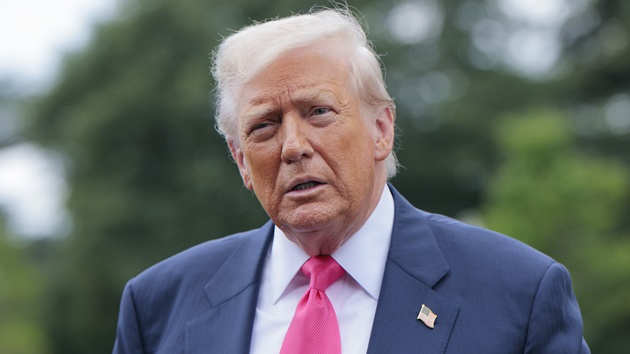
Trump embarks on Middle East trip to strengthen ties with Gulf states

Trump to embark on Middle East trip to strengthen ties with Gulf states
Anna Moneymaker/Getty Images

(WASHINGTON) — President Donald Trump on Monday embarked on a four-day tour of the Middle East, stopping in Saudi Arabia, Qatar and the United Arab Emirates on a trip underscoring the deepening economic ties between the United States and the Gulf kingdoms.

Traveling to a region facing ongoing diplomatic, political and security challenges — including Iran’s nuclear program, the humanitarian crisis in Gaza and war between Israel and Hamas, and the fate of Syria following a brutal 14-year civil war — Trump is expected to focus on business development and trade agreements on his trip, following commitments from Saudi Arabia and the United Arab Emirates to invest hundreds of billions of dollars in the United States and on joint investments over the next several years.

On Friday, White House press secretary Karoline Leavitt said Trump’s trip will “focus on strengthening ties” between the U.S. and the Gulf nations.

“President Trump will return to reemphasize his continued vision for a proud, prosperous and successful Middle East where the United States and Middle Eastern nations are in cooperative relationship and where extremism is defeated in place of commerce and cultural exchanges,” she said.

Saudi Crown Prince Mohammed bin Salman pledged to invest $600 billion in the United States over four years after Trump’s November victory, and the United Arab Emirates have also committed to a $1.4 trillion U.S. investment package over the next decade. Business and technology leaders will be convening in Riyadh around Trump’s trip for a Saudi-U.S. investment forum.

ABC News has also reported that the Trump administration is preparing to accept a luxury Boeing jumbo jet from the Qatari royal family for use as a presidential aircraft before being transferred to the Trump presidential library foundation after his term ends.

White House press secretary Karoline Leavitt responded to ABC News’ reporting, saying in a statement that “any gift given by a foreign government is always accepted in full compliance with all applicable laws.”

The president’s family has also traveled to the region and has expanded its business interests in the Middle East: The Trump Organization has partnered with developers on new projects in Saudi Arabia, Doha and the United Arab Emirates, and is involved in a cryptocurrency venture connected to a fund with ties to the Emirati government.

Leavitt on Friday dismissed questions about the president’s family’s business dealings in the region ahead of his trip and said Trump “has actually lost money for being president of the United States.”

“The president acts with only the interests of the American public in mind, putting our country first and doing what’s best for our country — full stop,” she said.

“It’s frankly ridiculous that anyone in this room would even suggest that President Trump is doing anything for his own benefit. He left a life of luxury and a life of running a very successful real estate empire for public service,” she later added.

Trump also began his first term in office with a visit to Saudi Arabia, in a break with his predecessors who had visited traditional U.S. allies and major trade partners on their first official foreign trips.

That trip to Saudi Arabia — which also included stops in Israel and later in Europe — focused on encouraging local partners to redouble efforts to fight “extremism” and terrorist groups, and work to marginalize Iran.

Since then, Saudi Arabia and other Gulf states have improved relations with Iran, and are now supportive of the Trump administration’s diplomatic efforts to address Iran’s nuclear program.

“Both the Saudis and the Emiratis have decided that their priority is economic investment and getting away from energy, and that war with Iran is like a big danger to all of that. So they’ve completely shifted on Iran,” Ilan Goldenberg, a Middle East specialist who worked in the Obama and Biden administrations, told ABC News.

The ongoing war between Israel and Hamas and the humanitarian crisis in Gaza also looms over Trump’s trip, given Israel’s plans to expand military operations in Gaza.

In Riyadh, Trump is expected to join a Gulf Cooperation Council meeting before he travels to Qatar.

While the president has aimed to ink a regional diplomatic agreement expanding on the Abraham Accords of his first term, the war in Gaza has effectively frozen efforts to normalize diplomatic relations between Israel and Saudi Arabia and other Arab countries, experts told ABC News.

“From the Saudi perspective, it makes it harder” to improve diplomatic relations with Israel, Zineb Riboua, a fellow with Hudson Institute’s Center for Peace and Security in the Middle East. “Because of what has happened and what is currently happening [in Gaza], they are struggling.”

Trump could hear from Arab leaders about the humanitarian situation in Gaza, given the U.S.’s ongoing military support for Israel, and Israeli plans to expand its campaign in Gaza to root out Hamas.

In February, Trump proposed that the U.S. “take over” Gaza and help rebuild it, a plan that was rejected by Arab leaders, who put forward their own counterproposal that the U.S. and Israel have opposed.

There have also been disputes between the U.S., Israel and Arab nations over how to administer humanitarian aid blockaded by Israel to Palestinians in Gaza.

Though the trip is Trump’s first planned foreign trip, he traveled to Rome and the Vatican in April to attend the funeral of Pope Francis.

On the sidelines of that trip, Trump met with Ukrainian President Volodymyr Zelenskyy as the two countries worked to cement a minerals deal.

Saudi Arabia has hosted bilateral peace negotiations between Russia and Ukraine, underscoring the kingdom’s growing political influence, in addition to its economic and commercial importance in the region.

Trump “sees the Gulf as they see themselves, as a real fulcrum of global power,” Jon Alterman, the Middle East Program Chair at Center for Strategic and International Studies, told ABC News.

“A lot of people in the world think the Gulf is an outlier. A bunch of small, wealthy states that rely on the United States for security, protection. The Gulf sees itself differently, and the president is suggesting he sees the Gulf differently,” Alterman said.

Trump could receive a lavish welcome from the Gulf monarchs in the region, similar to the royal treatment he received when he visited Saudi Arabia in 2017.

The Saudis rolled out the red carpet for his arrival, greeting him at the airport with a military jet flyover and later awarding him a gold medal — the nation’s top civilian honor — and treating him to a traditional sword dance.

Trump’s trip also comes on the heels of Hamas announcing that they will be releasing Israeli soldier Edan Alexander, a dual US citizen, which will be part of steps taken to achieve a ceasefire. Hamas said that they have been in contact with American officials over the last few days over the efforts to try and achieve a ceasefire deal.

President Donald Trump posted on his social media platform, Truth Social, Sunday evening, confirming that Alexander will be released from Hamas. Trump did not specify when Alexander was expected to be released, but said, “This is the first of those final steps necessary to end this brutal conflict.

Copyright © 2025, ABC Audio. All rights reserved.
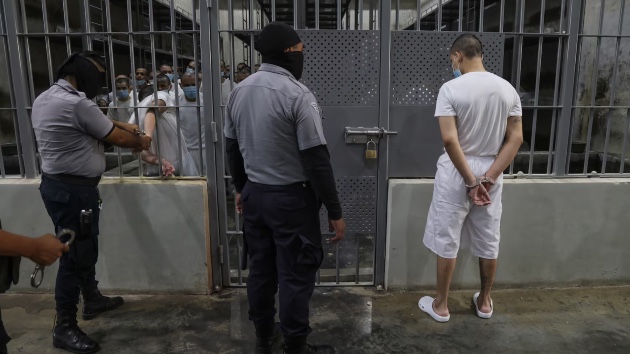
Trump to visit Gulf region, where diplomacy collides with his family business

Trump to visit Gulf region, where diplomacy collides with his family business
ABC News/File 2017

When President Donald Trump arrives in the Persian Gulf Tuesday for his first overseas visit since regaining the White House, he’ll touch down in a region that’s rich in opportunity. On the diplomatic front, he’s expected to focus on trade agreements and economic ties.

But for Trump and his family, there are also opportunities in the form of business ventures and real estate deals.

Some ethics experts say the way his family business has approached these opportunities brings up familiar concerns of potential conflicts of interest as Trump meets with the region’s leaders, who could hold sway over the success of Trump’s ventures there.

During Trump’s first term, his family said they wouldn’t pursue any new overseas business ventures. But now, in Trump’s second term, the Trump Organization has several active projects in the Gulf region — including some that have launched in the months since Trump returned to office — suggesting that his self-imposed moratorium has dissipated.

Trump’s visit to the United Arab Emirates, for example, comes just over a week after the Trump Organization announced the development of an 80-floor residential building and club called the Trump International Hotel & Tower, Dubai.

At a launch party for the project last week, an executive of Dar Global, the development firm partnering with the Trump Organization, said in a highly produced social media clip that the project “is perfectly positioned to capture Dubai’s growth, offering investors the rare chance to be part of a global success — powered by the Trump name and Dar Global’s expertise.”

And last week, the Trump family’s cryptocurrency venture, World Liberty Financial, announced that an Abu Dhabi-based investment firm would be making a major $2 billion investment in the firm.

USD1, World Liberty Financial’s so-called “stablecoin” — a digital asset designed to maintain a stable value — is expected to be used to complete Emirati investment firm MGX’s $2 billion investment transaction in crypto exchange Binance, ABC News reported.

In Qatar, Trump will arrive just two weeks after his son Eric Trump inked a deal to develop a $5.5 billion golf club just north of Doha, called the Trump International Golf Club, Simaisima, which will include “an 18-hole golf course, exclusive clubhouse, and Trump-branded villas,” according to plans.

And in Saudi Arabia, three Trump Organization projects are currently underway, including two residential projects and a golf course. The development firm they’ve partnered with for many of these regional projects, Dar Global, reportedly has close ties to the Saudi government.

Trump also recently hosted a high-profile golf tournament for the Saudi-backed LIV Golf tour at his Trump National Doral resort near Miami.

Before Trump was sworn in for his second term, Eric Trump announced that the Trump Organization had hired an outside ethics adviser to help the firm enact a “series of comprehensive ethical measures” that would “proactively address potential conflicts.”

“Although neither federal law nor the United States Constitution prohibits Presidents from continuing to own, operate, and manage their businesses and investments while in office, The Trump Organization has taken these additional steps as part of its ongoing commitment to ensuring transparency, upholding the highest legal standards and avoiding even the appearance of ethical concerns,” said the announcement.

Many ethics experts have roundly criticized the arrangement as insufficient. Danielle Brian, executive director of the nonpartisan government watchdog Project on Government Oversight, told ABC News that the Trump Organization’s business endeavors, including those overseas, are entirely legal — but that Trump is “taking the weakness in our current ethics laws … to just a whole new level in this administration.”

“We’ve never seen the kind of money at stake and the kind of brazen leveraging of political power for a personal financial gain that we’ve seen in this administration,” Brian said.

Ahead of Trump’s visit to the Gulf, the ethics watchdog Citizens for Responsibility and Ethics in Washington wrote that “Trump knows that the decisions he makes as president could affect his bottom line, and foreign officials in those countries could provide special treatment for the president of the United States — or exact punishment for decisions they don’t like.”

Trump has yet to release his financial disclosures as president, so it’s unclear what arrangements he has made to ensure a firewall between his personal businesses and his presidency. But Trump and the White House have repeatedly and forcefully denied that his private business interests amount to a conflict of interest.

Asked Friday whether Trump would conduct any personal business meetings during his visit to the Middle East, White House Press Secretary Karoline Leavitt said it was “frankly ridiculous that anyone in this room would even suggest that President Trump is doing anything for his own benefit.”Ahead of Trump’s visit to the Gulf, the ethics watchdog Citizens for Responsibility and Ethics in Washington wrote that “Trump knows that the decisions he makes as president could affect his bottom line, and foreign officials in those countries could provide special treatment for the president of the United States — or exact punishment for decisions they don’t like.”When President Donald Trump arrives in the Persian Gulf Tuesday for his first overseas visit since regaining the White House, he’ll touch down in a region that’s rich in opportunity. On the diplomatic front, he’s expected to focus on trade agreements and economic ties.

But for Trump and his family, there are also opportunities in the form of business ventures and real estate deals.

Some ethics experts say the way his family business has approached these opportunities brings up familiar concerns of potential conflicts of interest as Trump meets with the region’s leaders, who could hold sway over the success of Trump’s ventures there.

During Trump’s first term, his family said they wouldn’t pursue any new overseas business ventures. But now, in Trump’s second term, the Trump Organization has several active projects in the Gulf region — including some that have launched in the months since Trump returned to office — suggesting that his self-imposed moratorium has dissipated.

Trump’s visit to the United Arab Emirates, for example, comes just over a week after the Trump Organization announced the development of an 80-floor residential building and club called the Trump International Hotel & Tower, Dubai.

At a launch party for the project last week, an executive of Dar Global, the development firm partnering with the Trump Organization, said in a highly produced social media clip that the project “is perfectly positioned to capture Dubai’s growth, offering investors the rare chance to be part of a global success — powered by the Trump name and Dar Global’s expertise.”

And last week, the Trump family’s cryptocurrency venture, World Liberty Financial, announced that an Abu Dhabi-based investment firm would be making a major $2 billion investment in the firm.

USD1, World Liberty Financial’s so-called “stablecoin” — a digital asset designed to maintain a stable value — is expected to be used to complete Emirati investment firm MGX’s $2 billion investment transaction in crypto exchange Binance, ABC News reported.

In Qatar, Trump will arrive just two weeks after his son Eric Trump inked a deal to develop a $5.5 billion golf club just north of Doha, called the Trump International Golf Club, Simaisima, which will include “an 18-hole golf course, exclusive clubhouse, and Trump-branded villas,” according to plans.

And in Saudi Arabia, three Trump Organization projects are currently underway, including two residential projects and a golf course. The development firm they’ve partnered with for many of these regional projects, Dar Global, reportedly has close ties to the Saudi government.

Trump also recently hosted a high-profile golf tournament for the Saudi-backed LIV Golf tour at his Trump National Doral resort near Miami.

Before Trump was sworn in for his second term, Eric Trump announced that the Trump Organization had hired an outside ethics adviser to help the firm enact a “series of comprehensive ethical measures” that would “proactively address potential conflicts.”

“Although neither federal law nor the United States Constitution prohibits Presidents from continuing to own, operate, and manage their businesses and investments while in office, The Trump Organization has taken these additional steps as part of its ongoing commitment to ensuring transparency, upholding the highest legal standards and avoiding even the appearance of ethical concerns,” said the announcement.

Many ethics experts have roundly criticized the arrangement as insufficient. Danielle Brian, executive director of the nonpartisan government watchdog Project on Government Oversight, told ABC News that the Trump Organization’s business endeavors, including those overseas, are entirely legal — but that Trump is “taking the weakness in our current ethics laws … to just a whole new level in this administration.”

“We’ve never seen the kind of money at stake and the kind of brazen leveraging of political power for a personal financial gain that we’ve seen in this administration,” Brian said.

Ahead of Trump’s visit to the Gulf, the ethics watchdog Citizens for Responsibility and Ethics in Washington wrote that “Trump knows that the decisions he makes as president could affect his bottom line, and foreign officials in those countries could provide special treatment for the president of the United States — or exact punishment for decisions they don’t like.”

Trump has yet to release his financial disclosures as president, so it’s unclear what arrangements he has made to ensure a firewall between his personal businesses and his presidency. But Trump and the White House have repeatedly and forcefully denied that his private business interests amount to a conflict of interest.

Asked Friday whether Trump would conduct any personal business meetings during his visit to the Middle East, White House Press Secretary Karoline Leavitt said it was “frankly ridiculous that anyone in this room would even suggest that President Trump is doing anything for his own benefit.”Ahead of Trump’s visit to the Gulf, the ethics watchdog Citizens for Responsibility and Ethics in Washington wrote that “Trump knows that the decisions he makes as president could affect his bottom line, and foreign officials in those countries could provide special treatment for the president of the United States — or exact punishment for decisions they don’t like.”

Copyright © 2025, ABC Audio. All rights reserved.

Israel to pause Gaza fighting ahead of US hostage Edan Alexander’s release by Hamas

Israel to pause Gaza fighting ahead of US hostage Edan Alexander’s release by Hamas
Office of NJ Governor Phil Murphy

LONDON — American-Israeli hostage Edan Alexander — held captive by Hamas in the Gaza Strip since Oct. 7, 2023 — was set to be released Monday after successful negotiations between the U.S. and the Palestinian group.

Israeli security officials told ABC News there would be a temporary pause in combat, airstrikes and aerial reconnaissance in the area of Gaza where Alexander is to be released.

The pause will last until Alexander crosses into Israeli territory, officials said, which is expected to take less than 30 minutes.

This is a developing story. Please check back for updates.

Copyright © 2025, ABC Audio. All rights reserved.