
Trump narrates dizzying 24 hours from Iranian retaliation to fragile ceasefire: Timeline

Trump narrates dizzying 24 hours from Iranian retaliation to fragile ceasefire: Timeline
Erik Marmor/Getty Images

(WASHINGTON) — The past 24 hours in the Israel-Iran war have been been highlighted by President Donald Trump’s whirlwind diplomatic efforts, aimed at being seen as a peacemaker amid the conflict.

The world seesawed between fears of escalation as Iran retaliated against the United States to Trump’s surprise ceasefire announcement to his angry comments about early violations from both countries.

Notably, the president narrated the fast-changing developments in real time on his conservative social media site, showing, in often personal terms, his style of dealmaking diplomacy — and his mounting frustration with both sides.

Here’s how the sometimes dizzying sequence of events unfolded.

Monday afternoon: Iran fires missiles at US military base in Qatar

Alarms were raised when when Tehran, in response to the U.S. strikes against Iran’s nuclear facilities over the weekend, retaliated on Monday by firing missiles at Al Udeid Air Base, the largest U.S. military base in the region.

Reports of the attack came in around 1 p.m. ET on Monday. The U.S. shot down the missiles with assistance from Qatar. No injuries or extensive damage were reported.

Although Trump had threatened a massive response if Iran retaliated, raising fears of escalation, he issued a statement on his social media account about 4 p.m. ET calling the attack “very weak” and said it was “very effectively countered,” not mentioning any military action.

“I am pleased to report that NO Americans were harmed, and hardly any damage was done. Most importantly, they’ve gotten it all out of their ‘system,’ and there will, hopefully, be no further HATE,” the president wrote. “I want to thank Iran for giving us early notice, which made it possible for no lives to be lost, and nobody to be injured.”

“Perhaps Iran can now proceed to Peace and Harmony in the Region, and I will enthusiastically encourage Israel to do the same. Thank you for your attention to this matter!” he wrote.

Monday evening: Trump announces ceasefire

The, at 6:08 p.m. ET, Trump, in a bombshell post, announced a ceasefire agreement he said would end the war within 24 hours.

The agreement described by Trump involved two 12-hour ceasefire periods that would come “when Israel and Iran have wound down and completed their in progress, final missions,” Trump wrote.

Iran would start the ceasefire for the first 12 hours, Trump said, and Israel would then follow with a second 12-hour ceasefire. When that period was over, Trump said, “an Official END to THE 12 DAY WAR will be saluted by the World.”

“It’s a great day for America. It’s a great day for the Middle East. I’m very happy to have been able to get the job done,” Trump told NBC News, taking credit. “I think the ceasefire is unlimited. It’s going to go forever.”

In the immediate aftermath of Trump’s announcement, however, neither Israeli nor Iranian officials publicly commented on the proposal.

At 1:08 a.m. ET, Trump posted: “THE CEASEFIRE IS NOW IN EFFECT. PLEASE DO NOT VIOLATE IT!”

Overnight: Reports Israel and Iran continue to exchange fire

In the final hours before the ceasefire was set to go into effect, Israel and Iran launched a barrage of missiles. Israel said four people were killed and 20 injured as Iranian missiles hit Beersheba. Iran said at least 15 people were killed in strikes around the country.

Then, came reports of exchanged fire in the opening hours of the ceasefire.

Israel said Iran violated the ceasefire agreement by launching missiles between midnight and 3:30 a.m. ET, which Israel said were intercepted or fell in open areas. Iran denied firing the missiles.

Israel then acknowledged its Air Force “destroyed a radar installation near Tehran” in response to the alleged violations.

Tuesday morning: Trump lashes out at Israel and Iran

In some startlingly blunt comments, Trump showed his frustration with both Iran and Israel as he departed the White House around 6:30 a.m. ET to attend a NATO summit in the Netherlands.

“Israel as soon as we made the deal, they came out and dropped a boatload of bombs the likes of which I’ve never seen before,” Trump said. “The biggest load that we’ve seen, I’m not happy with Israel. Ok, when I say now you have 12 hours, you don’t go out in the first hour and just drop everything you have on them. So, I’m not happy with him. I’m not happy with Iran either.”

While he accused both nations of violating the ceasefire, much of his ire was aimed toward Israel, in language rarely heard from a president in public.

“We basically have two countries that have been fighting so long and so hard, that they don’t know what the f— they’re doing. Do you understand that?” a visibly angry Trump told ABC News Senior Political Correspondent Rachel Scott when asked if both nations were committed to peace, before turning away to board his Marine One helicopter.

Soon after, he fired off a warning to Israel on social media — in all capital letters — to stop attacking Iran.

During the morning, Trump spoke with Israeli Prime Minister Benjamin Netanyahu, sources familiar with the call told ABC News. A White House source, in a readout of the call, said Trump was firm and direct with Netanyahu about what was necessary to sustain the ceasefire.

“ISRAEL is not going to attack Iran. All planes will turn around and head home, while doing a friendly ‘Plane Wave’ to Iran. Nobody will be hurt, the Ceasefire is in effect!” Trump wrote.

Once aboard Air Force One, on his way to the Netherlands, he told reporters he wasn’t thinking about consequences for Israel when he warned against retaliation, claiming “they didn’t do anything” because of his post on social media.

The Israeli prime minister’s office said in a statement that Israel has “refrained from additional attacks” on Iran following the conversation between Trump and Netanyahu.

Iran said it won’t violate the ceasefire unless Israel does, according to Iran’s state-run media.

As of Tuesday afternoon, the fragile ceasefire appeared to be holding, 24 hours after Iran retaliated against the U.S.

Copyright © 2025, ABC Audio. All rights reserved.

Disgraced former Rep. Anthony Weiner among scandal-ridden New York City candidates

Disgraced former Rep. Anthony Weiner among scandal-ridden New York City candidates
Spencer Platt/Getty Images

(NEW YORK) — New York City’s municipal races are bringing disgraced politicians back into the limelight, with multiple candidates seeking a political comeback and raising the question of whether voters will give them a second — or third — chance.

Among the slate is Anthony Weiner, the disgraced former congressman whose downfall came after a slew of sexting scandals that culminated in a 21-month federal prison sentence, who is vying for Manhattan’s City Council seat.

This comes as New York City’s mayoral race faces its share of controversy as well, with former New York Gov. Andrew Cuomo continuing to deny the sexual harassment allegations that led to his resignation nearly four years ago.

And though the federal investigation into incumbent Mayor Eric Adams over fraud and bribery was dismissed earlier this year, he continues to take heat as the first sitting mayor to be indicted as he attempts to court voters running as an independent.

Yet Weiner, 60, is attempting to differentiate himself from the other candidates with checkered pasts by emphasizing accountability for his wrongdoings.

“All of that happened, and I accept responsibility for it,” he told ABC’s “The View” in May. “You won’t hear me do what some other people in public life have done — Donald Trump or Andrew Cuomo or Eric Adams: ‘I’m a victim, they persecuted me for no reason.’ I was dealing with very serious problems. I was dealing with what I now understand to be addiction.”

“I am saying ‘Yes, I did these things. I got into recovery. I tried to make my life better,'” he said. “And now I can be of service. And I’m a damn good politician.”

In 2011, Weiner resigned from his congressional seat after a sexually explicit photo was posted on his social media page — which he initially said was a hack, but later admitted was his own doing — in addition to revelations of more sexting content with various women online.

He attempted a comeback two years later in an unsuccessful New York City mayoral run. Despite his initial lead, his campaign was plagued by controversy as more sexually explicit messages and images became public, with Weiner operating under the alias “Carlos Danger.”

In 2016, new sexting allegations came to light which prompted his wife Huma Abedin to announce the couple’s split.

In 2017, Weiner was sentenced to 21 months in federal prison after one of his sexting scandals was found to involve a 15-year-old girl. Following his release, he was also designated a Level 1 registered sexual offender, classified as a low-risk to reoffend.

During his appearance on “The View,” Weiner emphasized that he was still in recovery for sex addiction.

He also recognized that he would receive blowback during his campaign, but he did not think his past should hold him back. He cited a need for change among Democratic candidates as his reason for getting back into politics.

“When I woke up in November of ’24 and saw the election results — but more than who won, I looked around New York City and saw how many fewer Democrats even turned out to vote. And I started to say to myself ‘something is seriously wrong here,'” he said. “We’re hardcore anti-Trump territory and Trump did better.”

Weiner presents a more moderate platform than some of his Democratic counterparts. According to his campaign website, some of his goals include increasing police presence, protecting undocumented immigrants but deporting violent criminals, taxing the rich, and eliminating waste.

In Tuesday’s Democratic primary, Weiner faces Assembly Member Harvey Epstein, Manhattan Community Board Chair Andrea Gordillo, nonprofit leader Sarah Batchu, and community advocate Allie Ryan. 

Copyright © 2025, ABC Audio. All rights reserved.
Former aide Tanden appears before House committee investigating Biden’s mental acuity

Former aide Tanden appears before House committee investigating Biden’s mental acuity
Jemal Countess/Getty Images for Families Over Billionaires

(WASHINGTON) — The House Oversight Committee’s first closed-door transcribed meeting investigating former President Joe Biden’s mental acuity began Tuesday with former White House Domestic Policy Council Director Neera Tanden appearing for questioning on Capitol Hill.

Committee Chairman James Comer is investigating Biden’s health and mental “decline,” as well as the use of an autopen for pardons and other executive actions.

“This is the first of what will be many interviews with people we believe were involved in the autopen scandal in the Biden administration,” Comer told reporters Tuesday morning. “I think the American people want to know, I think there’s a huge level of curiosity in the press corps [with] respect to who was actually calling the shots in the Biden administration.”

Following the introductory portion of the meeting, Comer said Republicans wrapped a “good hour,” while Rep. Wesley Bell, D-Mo., called it an “extraordinary waste of time.”

Tanden was nominated by Biden to be the director of the Office of Management and Budget but ultimately withdrew her nomination after facing a bruising confirmation battle and bipartisan criticism over her past tweets that attacked members of Congress.

In addition to Tanden, additional former Biden senior aides are expected to sit down for interviews in the coming weeks without being subpoenaed, including Anthony Bernal, Ashley Williams and Annie Tomasini.

Dr. Kevin O’Connor, the former White House physician for Biden, will appear under subpoena before the committee for a closed, transcribed interview on July 9, a source familiar with the committee’s plans told ABC News.

ABC News’ Lauren Peller contributed to this report.

Copyright © 2025, ABC Audio. All rights reserved.
New York City mayoral candidates share closing arguments about taking on Trump

New York City mayoral candidates share closing arguments about taking on Trump
Michael M. Santiago/Getty Images

(NEW YORK) — “We are especially mindful that we are in the middle of a war right now,” former Gov. Andrew Cuomo — the front-runner in the New York City Democratic mayoral primary — told a crowd at a Juneteenth lunch event in the Bronx on Thursday.

Some people in the crowd started muttering — the war in the Middle East?

“We’re in the middle of a war — you don’t see it? Day in and day out, when you turn on the TV news and you see a president named Mr. Trump. Have you seen President Trump on TV?”

As some in the crowd booed, Cuomo added, “President Trump has declared war on Democratic states, Democratic cities. He’s declared war on working families, he’s declared war on immigrants, he’s declared war on minorities, and he’s declared war on New York City and New York State.” He later told reporters, “Good news is — we beat [the administration] once before, and we’re going to beat them again.”

In the final days of campaigning for Tuesday’s New York City ranked choice Democratic mayoral primary, which has 11 candidates on the ballot, Cuomo and others fanned out across the city to make their closing arguments, with one shared focus being how they’re framing themselves as the best choice to stand up to the White House.

Curtis Sliwa, who lost to Mayor Eric Adams in 2021, is the only Republican running for mayor.

Voters, meanwhile, told ABC News they’re looking at both national and local issues — particularly affordability — as they decide who to cast votes for.

And scorching high temperatures in New York City could impact turnout on Election Day, as voters brave the heat to trudge to their polling places on Tuesday, with the city’s election board preparing for dehydration, and even potential heat-related power outages.

The New York City Board of Elections said last week in a news release that it is making sure polling sites that don’t have air conditioning will have fans, a “steady supply of water.” The board said it is working with emergency management and utility providers to make sure polling places don’t lose power, too.

A spokesperson for the board told City & State NY that potential heat-induced blackouts might impact vote counting, since then ballots would need to be counted similarly to absentee or affidavit ballots that get scanned later.

New York Gov. Kathy Hochul, meanwhile, signed legislation over the weekend allowing voters to receive refreshments while in line to vote.

In an email sent to supporters on Tuesday to supporters, Cuomo asked voters to “vote as early as you can to avoid the hottest parts of the day.”

For Cuomo, the election could mark his political comeback. His governorship was derailed after several women accused him of sexual harassment and inappropriate conduct. He resigned as governor in 2021 but has consistently denied the allegations. One voter in downtown Manhattan told ABC News that she is voting for Cuomo despite misgivings over the allegations, mentioning that he had issued an apology in 2021.

Carmen S., a medical assistant who lives in the Washington Heights neighborhood of Manhattan, told ABC News in an interview that immigration policy is one of the important issues in the race, becoming emotional speaking about the White House’s immigration policies. She declined to provide her full last name.

“I’m a child of immigrants,” she said. “Not every immigrant is a criminal.”

While she didn’t share who she ranked on her ballot, she praised Cuomo for his record and how he handled his job as governor.

Cuomo’s main opponent in the primary is state assembly member Zohran Mamdani, a Democratic Socialist whose progressive economic plans have galvanized many voters.

Mamdani, in an interview with ABC News on Thursday in Astoria, Queens, just hours after he voted early at a polling site in the Museum of the Moving Image, said his closing argument is that he is the one who can take on the “twin crises” facing the city: “Authoritarianism from the outside and an affordability crisis from the inside.”

“And what we need is a mayor who’s able to stand up to both of those and deliver a city that every New Yorker can afford and that every New Yorker understands that they belong to,” Mamdani told ABC News.

And as to why should people around the country care about this race, he said, “This is a referendum on where our party goes; it is a referendum on whether billionaires and corporations can buy yet another election, or if we opt for a new generation of leadership, one that isn’t funded by Trump donors, one that is actually able to stand up and fight for working class New Yorkers.”

That outlook has impressed some voters. Angela Pham, a 38-year-old content designer who lives in Greenwich Village, told ABC News in an interview after voting early that Mamdani “needs to win.”

“We’re supposed to be the most progressive city in America,” she said. “I feel like he’s the only candidate that makes sense for the things that we need to happen.”

Asked how she felt about Cuomo, Pham said, “He needs to get out of politics and retire to a farm.”

Mamdani has faced some pushback over his criticism of Israel, given New York’s large Jewish population. In response, he has emphasized policies to combat antisemitism and said that he wants to focus on city issues.

Cuomo has criticized Mamdani’s comments about Israel and made combatting antisemitism a key campaign focus. One voter in Greenwich Village told ABC News that concerns about antisemitism were a main driver for his decision to vote for Cuomo.

Fellow candidate New York City comptroller Brad Lander, who has “cross-endorsed” Mamdani, has received less momentum in polling but has gotten heightened attention since he was briefly detained last week by federal agents while escorting a defendant out of immigration court.

Lander, speaking with ABC News on Thursday on the Upper East Side near an early voting site at a school, said that the mayoral election in the city has national implications, because the administration has said it hopes to ““liberate” Democratic cities from their elected officials. That’s [a] code word for a federal government takeover, an erosion of democracy, a denial of due process,” Lander said.

“Democracy is on the line right now,” he added.

Officials from the White House and administration have said their actions towards cities such as Los Angeles are meant to restore order amidst protests and unrest.

Juan Peralta, a 31-year-old from Harlem who works in events, told ABC News that the only two candidates on the ballot he’s excited about are Zohran Mamdani and Brad Lander, pointing to Mamdani’s proposal for free child care.

“Growing up in New York, I did feel like this was a place for families,” Peralta told ABC News. “Now I feel like it’s a place for families of a certain income.”

Copyright © 2025, ABC Audio. All rights reserved.
House, Senate briefings on Iran-Israel conflict postponed

House, Senate briefings on Iran-Israel conflict postponed
Joe Raedle/Getty Images

(WASHINGTON) — The House and Senate’s classified briefing on the Iran-Israel conflict has been postponed, multiple sources familiar confirmed.

The Senate’s briefing was delayed from Tuesday until Thursday to allow for additional briefers to attend, sources told ABC News. It’s not yet clear who those additional briefers would be.

The House’s classified briefing set for Tuesday afternoon has been postponed and it’s not yet clear when it will be rescheduled.

Sources told ABC News that the briefers who were expected to speak included Director of National Intelligence Tulsi Gabbard, CIA Director John Ratcliffe, Joint Chiefs of Staff Chairman John Caine, Deputy Secretary of State Christopher Landau and Deputy Defense Secretary Steve Feinberg.

When the meetings occur, it’s expected that lawmakers, especially Democrats, will be looking for answers and evidence at the briefings from the administration — specifically why Trump said there was an imminent threat and carried out U.S. strikes on Iran’s nuclear sites over the weekend.

Their meetings come after several lawmakers on Capitol Hill argued the military action was unconstitutional. There are several bipartisan resolutions that could receive a vote in coming days that may put some lawmakers in uncomfortable positions as they consider whether Trump ignored the role of Congress in striking Tehran.

Republican Rep. Thomas Massie and Democratic Rep. Ro Khanna introduced a War Powers Resolution last week to rebuke the president’s decision to launch strikes. As Massie continued to rail against Trump and his role in the conflict, the president lashed out at the Kentucky Republican, saying he was “not MAGA” and threatened to campaign for Massie’s Republican primary opponent in the next election.

Massie has now softened his approach, telling reporters at the Capitol on Monday that he’s now considering pulling the bipartisan War Powers Resolution.

“If the ceasefire holds, and we’re not engaged in hostilities, then it’s a moot point. I wouldn’t need to bring it to the floor,” Massie said.

Massie also added that he is open to patching things up with the president: “I’d like a ceasefire between me and President Trump. If I can get the same deal, after his bunker busters he dropped on me.”

Trump on Monday announced that Israel and Iran had agreed to a ceasefire, after more than a week of fighting following Israel’s strikes — and subsequent U.S. attacks — on Iran’s nuclear program. Hours after the ceasefire took effect, Israel said Iran violated it — which Iran denies.

Trump expressed anger at both Israel and Iran, accusing both of violating the ceasefire agreement shortly after it began.

“I’m not happy with Israel. OK, when I say now you have 12 hours, you don’t go out in the first hour and just drop everything you have on them. So I’m not happy with them. I’m not happy with Iran either,” Trump said to reporters Tuesday morning.

Speaker Mike Johnson said late Monday that he expects the House briefing to have a different “tone” in the light of the ceasefire.

ABC News’ Rachel Scott contributed to this report.

Copyright © 2025, ABC Audio. All rights reserved.
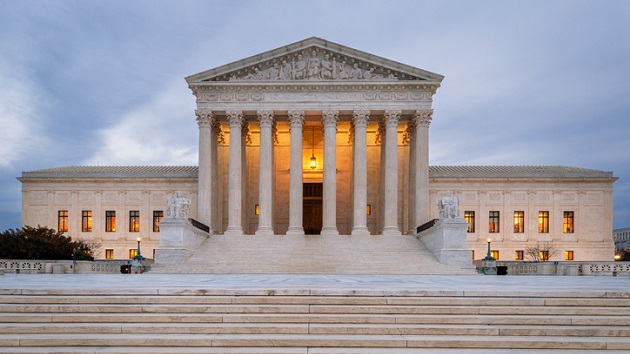
Trump blurts out expletive as he lashes out at Israel and Iran over ceasefire

Trump blurts out expletive as he lashes out at Israel and Iran over ceasefire
Tasos Katopodis/Getty Images

(WASHINGTON) — President Donald Trump on Tuesday morning had strong words for Israel and Iran as he accused both nations of violating a ceasefire agreement he announced just the night prior.

“We basically have two countries that have been fighting so long and so hard, that they don’t know what the f— they’re doing. Do you understand that?” Trump told ABC News Senior Political Correspondent Rachel Scott when asked if both nations were committed to peace.

Trump was clearly frustrated as he spoke with reporters before departing the White House for a NATO summit at The Hague in the Netherlands.

“Israel says Iran violated the peace agreement and the ceasefire agreement. Do you believe that Iran is still committed to peace?” Scott asked the president.

“I do, yeah. They violated it but Israel violated it, too,” Trump responded.

Scott then asked Trump if he was questioning Israel’s commitment to peace.

“Israel as soon as we made the deal, they came out and dropped a boat load of bombs the likes of which I’ve never seen before,” Trump said. “The biggest load that we’ve seen, I’m not happy with Israel. Ok, when I say now you have 12 hours, you don’t go out in the first hour and just drop everything you have on them. So I’m not happy with him. I’m not happy with Iran either.”

Neither Iran nor Israel have publicly commented on Trump’s remarks about the apparent ceasefire violations.

Trump spoke with Israeli Prime Minister Benjamin Netanyahu on Tuesday morning, sources familiar with the call told ABC News.

A White House source provided a brief readout of the call: “President Trump was exceptionally firm and direct with Prime Minister Netanyahu about what needed to happen to sustain the ceasefire. The Prime Minister understood the severity of the situation and the concerns President Trump expressed.”

Trump said on social media Monday evening that Israel and Iran had agreed to a ceasefire, signaling a possible end to nearly two weeks of escalating air assaults by the two countries.

The agreement described by Trump involved two 12-hour ceasefire periods, starting at about 12 a.m. EDT starting with Iran. That would come “when Israel and Iran have wound down and completed their in progress, final missions,” Trump said in the post.

Israel would then follow with a second 12-hour ceasefire, Trump said.

After 24 hours, the war would be officially declared ended, according to Trump.

Copyright © 2025, ABC Audio. All rights reserved.
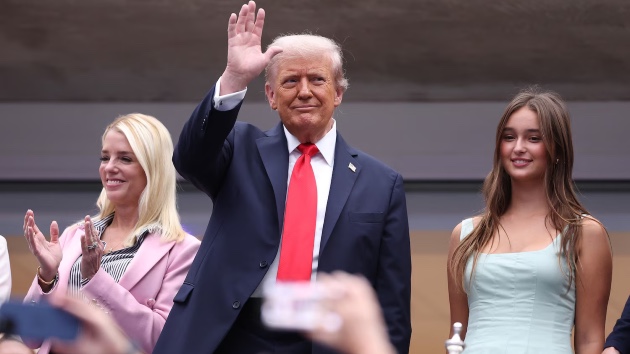
Trump to attend NATO summit days after US strikes on Iran and a ceasefire in question

Trump to attend NATO summit days after US strikes on Iran and a ceasefire in question
Celal Gunes/Anadolu via Getty Images

(WASHINGTON) — President Donald Trump departed early Tuesday for the NATO summit in The Hague, Netherlands, just days after he made the decision to launch strikes on Iranian nuclear sites and hours after he announced a ceasefire in the Israel-Iran conflict. It will be the first time Trump will face European U.S. allies since returning to the White House in January.

On the eve of Trump’s departure, Iran carried out retaliatory strikes at a U.S. base in Qatar. Trump said Monday that 13 of those missiles were intercepted and a 14th was off target.

“I am pleased to report that NO Americans were harmed, and hardly any damage was done,” Trump posted on social media, adding that Iran gave the U.S. “early notice.”

Then hours later, Trump posted on his social media platform that the two countries had agreed to a ceasefire that would end hostilities.

“This is a War that could have gone on for years, and destroyed the entire Middle East, but it didn’t, and never will!” Trump posted early Monday evening.

But as left the White House, Trump told ABC News on Tuesday he is “not happy” with either Israel or Iran after the opening hours of a nascent ceasefire between the two combatants were marred by reported exchanges.

Trump said Iran and Israel both “violated” the ceasefire.

“Israel, as soon as we made the deal, they came out and dropped a boat load of bombs the likes of which I’ve never seen before,” Trump said. “The biggest load that we’ve seen, I’m not happy with Israel.”

“OK, when I say now you have 12 hours, you don’t go out in the first hour and just drop everything you have on them,” the president added. “So, I’m not happy with him. I’m not happy with Iran either.”

Trump said he was “unhappy if Israel is going out this morning because of one rocket that didn’t land, that was shot perhaps by mistake, but didn’t land,” referring to Israeli allegations — denied by Tehran — that Iran fired missiles toward Israel on Tuesday after the ceasefire came into effect.

The conflict will undoubtedly loom large over this summit just as it did with the G7 summit in Canada last week — which Trump left early to monitor the growing crisis between Israel and Iran back at the White House.

The trip will be brief. Trump is expected to leave the White House early Tuesday morning and return to the U.S. on Wednesday evening. Upon his arrival in the Netherlands on Tuesday night, Trump will head straight into the pomp and circumstance. He will attend a formal dinner at the Netherlands Royal Palace alongside the King and Queen of the Netherlands. He will also take a NATO family photo that evening.

On Wednesday, Trump will attend the NATO summit where he will participate in a NATO family photo, a photo spray at the top of NATO Secretary General Mark Rutte’s remarks and then the first plenary session with NATO leaders. The president will then spend a few hours engaged in bilateral meetings, although it is not not yet known which leaders he plans to meet with on the sidelines of the summit. Trump will then hold a news conference where he will surely face questions about his order to strike Iranian nuclear sites and the impact of that mission. After the news conference, Trump is set to leave the Netherlands and return to the U.S.

Trump is going into the conference with a key priority: he wants the alliance to codify an increase in defense spending across all member nations, from 2% of their gross domestic product to 5%. This has been a signature issue for Trump well before the new Middle East conflict. The president has long complained that the U.S. has been subsidizing the defense of its allies — and has even gone so far as threatening that he would not come to the defense of nations not fully paying their way, a radical departure from NATO’s Article 5, which says an attack on one is an attack on all.

Trump’s criticisms go back as far as the 2017 NATO summit, when he accused his European counterparts of failing to pay what he said was their “fair share.”

Though Trump’s top advisers have signaled confidence that the 5% threshold will be agreed to by a vote at this year’s summit, some nations like Spain have other plans. Spain’s prime minister announced over the weekend that it forged an agreement that will allow it to remain in NATO without meeting the new defense spending threshold, instead contributing only 2.1% of the nation’s GDP.

Trump has a few other aims for the conference, including urging alliance members to revitalize their industrial capacities for critical minerals and weapons and bilateral meetings with world leaders to reaffirm a commitment to allies, a senior administration official said last week in a call previewing the trip.

In the time since Trump last attended a NATO summit, Russia invaded Ukraine. The war in Ukraine has raged on for more than three years and Trump has repeatedly claimed it would not have happened if he were in office. He has also blamed the war on Ukraine’s desire to join NATO. Ukrainian President Volodymyr Zelenskyy has been a featured guest at NATO summits since the war, including the one former President Joe Biden hosted in Washington last year, but it’s reported that Zelenskyy’s involvement will be limited this year — including not having a seat at the table.

This is also Trump’s first NATO summit of his second term, a reemergence in the alliance that he sharply criticized during his first term. It also comes after many NATO leaders have already returned to the White House for bilateral meetings to discuss key issues and to gain favor with Trump. Under the shadow of the growing conflict in the Middle East, world leaders will be watching closely for how Trump will enact his America First policy in his second term and how that policy will impact American alliances overseas.

ABC News’ Rachel Scott and Aïcha Elhammar contributed to this report.

Copyright © 2025, ABC Audio. All rights reserved.
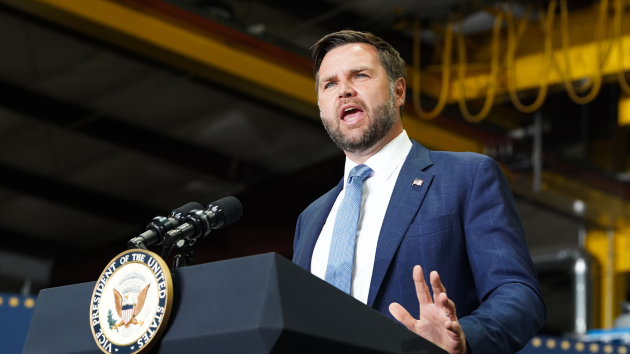
Trump faces bipartisan pushback to Iran strike as some question his war powers

Trump faces bipartisan pushback to Iran strike as some question his war powers
Daniel Torok/The White House via Getty Images

(WASHINGTON) — President Donald Trump’s strike against Iran will be met with pushback on Capitol Hill this week as some lawmakers argue the military action was unconstitutional.

There are several bipartisan resolutions that could receive a vote in coming days that may put some lawmakers in uncomfortable positions as they consider whether Trump ignored the role of Congress in striking Tehran.

It’s unlikely though, at this stage, that Trump’s rank-and-file Republican base will broadly abandon him by supporting these bills. If any were to make it to Trump’s desk, there likely wouldn’t be enough votes to override his veto.

“I don’t think this is an appropriate time for a war powers resolution, and I don’t think it’s necessary,” House Speaker Mike Johnson told reporters Monday afternoon at the Capitol.

Fears of escalation ramped up on Monday as Iran retaliated against the U.S. with a missile attack on a U.S. military base in Qatar. The missiles were intercepted and there were no immediate reports of casualties at the base, according to U.S. officials.

Johnson said it’s up to Trump whether the United States responds to Iran’s attempt to retaliate on Monday.

“The president warned them not to retaliate, but he was also very clear that the threat of Iran obtaining nuclear capability is a threat not just to Israel and the Middle East, but to the United States as well. They’ve been very clear about their intentions and how much they hate us,” Johnson said. “The president made an evaluation that the danger was imminent enough to take his authority as commander in chief.”

House Minority Leader Hakeem Jeffries expressed skepticism about Trump’s decision to strike Iran’s nuclear sites over the weekend.

“We’ve seen no evidence to date that an offensive strike of this nature was justified under the War Powers Act or the Constitution,” Jeffries said at a news conference in the Capitol on Monday. “And what I can say is not a scintilla of evidence to date has been presented that I have seen to justify the notion that there was an imminent threat to the United States of America.”

Trump’s decision to hit Iran in the stated aim of wiping out its nuclear capabilities follows a decades-long pattern of presidents taking military action and not waiting for Congress to sign off. Other examples include Joe Biden’s airstrikes in Syria in 2021, Barack Obama’s military campaign against ISIS in Syria and Iraq as well as George H.W. Bush’s invasion of Panama.

House and Senate lawmakers are expected to receive briefings on the Iran strike on Tuesday.

Trump faces bipartisan blowback

Republican Rep. Thomas Massie and Democratic Rep. Ro Khanna introduced a War Powers Resolution last week to prohibit “United States Armed Forces from unauthorized hostilities in the Islamic Republic of Iran.”

Democratic Sen. Tim Kaine is leading a similar Senate resolution, which could come up sometime this week as the chamber tries to move forward with a megabill to fund much of Trump’s domestic policy agenda.

All three appeared on “Face the Nation” on CBS News on Sunday to make their case.

Massie contended there was “no imminent threat to the United States” that would authorize the president to strike Iran without congressional approval.

Kaine similarly said: “This is the U.S. jumping into a war of choice at Donald Trump’s urging without any compelling national security interests for the United States to act in this way, particularly without a debate and vote in Congress. We should not be sending troops and risking troops’ lives in an offensive war without a debate in Congress.”

Kaine added that he hopes Republicans push back.

“I know many Republicans will fall in line and say a president can do whatever he wants. But I hope members of the Senate and the House will take their Article I responsibilities seriously,” the Virginia Democrat said.

Khanna warned there is a possibility the strike is not a one-time occurrence.

“There are people who want regime change in Iran. And they are egging this president on to bomb. I hope cooler heads will prevail,” Khanna said on CBS. “We need to pass Thomas Massie and my War Powers Resolution to make it clear that we’re not going to get further entrenched into the Middle East.”

Trump lashed out at Massie in a lengthy social media post on Sunday, writing the Republican congressman is “not MAGA” and that “MAGA doesn’t want him” and “doesn’t respect him.” Trump said he’ll campaign for Massie’s Republican primary opponent in the next election.

Congress has twice before called out Trump on his use of military force without congressional approval.

In 2019, Congress approved a bill to end U.S. support for the war in Yemen, which Trump vetoed. In 2020, Trump ordered the drone strike that killed top Iranian general Qassem Soleimani. In response, Congress passed legislation seeking to limit a president’s ability to wage war against Iran, which was again quickly rejected by Trump.

What is the 1973 War Powers Resolution?

The legislation introduced by Massie and Khanna seeking to limit Trump’s ability to take U.S. military action against Iran cites the 1973 War Powers Resolution, which states that the president “in every possible instance shall consult with Congress before introducing United States Armed Forces into hostilities or into situation where imminent involvement in hostilities is clearly indicated by the circumstances.”

It also states that in the absence of a declaration of war but when armed forces are introduced, the president must report to Congress within 48 hours the circumstances necessitating their introduction and must terminate the use of U.S. armed forces within 60 days unless Congress permits otherwise. If approval is not granted and the president deems it an emergency, then an additional 30 days are granted for ending operations.

Trump admin says strike was legally justified

Top officials defended the military action over the weekend. Defense Secretary Pete Hegseth said the administration “complied with the notification requirements” of the War Powers Resolution, saying members of Congress were notified “after the planes were safely out.”

Vice President JD Vance and Secretary of State Marco Rubio also sought to emphasize the U.S. is not at war with Iran.

Trump, though, warned that more strikes could come if Iran doesn’t negotiate a deal.

“If peace does not come quickly, we will go after those other targets with precision, speed and skill,” he said in his address to the nation on Saturday night.

Republican Sen. Lindsey Graham, a vocal supporter of military action against Iran leading up to Trump’s decision, argued on NBC News that Trump has all the authority he needs under Article II of the Constitution.

“Congress can declare war or cut off funding,” Graham said. “We can’t be the commander in chief. You can’t have 535 commanders-in-chief.”

The administration could also cite an existing military authorization as grounds for legal justification for striking against Iran.

The 2001 Authorization for Use of Military Force (AUMF) is a joint resolution passed by Congress that authorized counterterrorism operations by U.S. military forces against those responsible for the 9/11 attacks. Congress passed another AUMF targeting Iraq in 2002. Both have since been cited to authorize military force in more than 20 countries, including Afghanistan, Iraq, Syria and Somalia due to the broad language in the resolutions.

Critics have often said the 2001 and 2002 AUMFs grant the president powers to unilaterally wage “perpetual worldwide wars” and some lawmakers have been keen to repeal it — but those efforts have all been unsuccessful.

ABC News’ John Parkinson and Lauren Peller contributed to this report.

Copyright © 2025, ABC Audio. All rights reserved.

What Trump has said as he warned Iran not to retaliate against the US

What Trump has said as he warned Iran not to retaliate against the US
Daniel Torok/The White House via Getty Images

(WASHINGTON) — President Donald Trump warned Iran against retaliation several times following U.S. strikes against Tehran’s nuclear facilities on Saturday night.

On Monday, Iran fired missiles targeting Al Udeid Air Base in Qatar — the largest U.S. military base in the region, raising concerns about escalation. A U.S. official told ABC news the U.S. intercepted Iranian missiles with assistance from Qatar.

President Trump was meeting on Monday with his national security team in the Situation Room and has not yet responded to Iran’s retaliatory attack.

In his address to the nation on Saturday night regarding the U.S. strikes against Iran, Trump cautioned Tehran not to hit back.

“Iran, the bully of the Middle East, must now make peace. If they do not, future attacks would be far greater and a lot easier,” Trump said.

“There will be either peace, or there will be tragedy for Iran, far greater than we have witnessed over the last eight days,” Trump said, referencing the aerial strikes exchanged between Israel and Iran in the days leading up to U.S. involvement.

“Remember, there are many targets left,” Trump added. “Tonight’s was the most difficult of them all, by far, and perhaps the most lethal. But if peace does not come quickly, we will go after those other targets with precision, speed and skill. Most of them can be taken out in a matter of minutes.”

Trump issued a similar message in all capital letters on social media: “ANY RETALIATION BY IRAN AGAINST THE UNITED STATES OF AMERICA WILL BE MET WITH FORCE FAR GREATER THAN WHAT WAS WITNESSED TONIGHT.”

Vice President JD Vance was further asked about the possibility of retaliation from Iran during an appearance on ABC News’ “This Week” on Sunday.

Vance said “what happens next is up to the Iranians.”

“If they’re willing to choose the smart path, they’re certainly going to find a willing partner in the United States to dismantle that nuclear weapons program,” Vance said. “But if they decide they’re going to attack our troops, if they decide they’re going to continue to try to build a nuclear weapon, then we are going to respond to that with overwhelming force.”

Top administration officials said over the weekend the U.S. was prepared for potential action from Iran.

Joint Chiefs Chairman Gen. Dan Caine told reporters on Sunday that before the U.S. strike against Iran on Saturday, the military elevated force protection measures across the region.

While the administration says it is not interested in a wider war with Iran, Trump’s strikes against Tehran on Saturday prompted concern about the potential for escalation from Democrats and some Republicans.

This week, some lawmakers may try to advance bipartisan resolutions seeking to limit Trump’s war powers and prohibit U.S. forces from unauthorized hostilities with Iran, though those measures face an uphill battle in the GOP-controlled Congress.

Copyright © 2025, ABC Audio. All rights reserved.

Congress faces uphill battle to challenge Trump on war powers

Trump faces bipartisan pushback to Iran strike as some question his war powers
Daniel Torok/The White House via Getty Images

(WASHINGTON) — President Donald Trump’s strike against Iran will be met with pushback on Capitol Hill this week as some lawmakers argue the military action was unconstitutional.

There are several bipartisan resolutions that could receive a vote in coming days that may put some lawmakers in uncomfortable positions as they consider whether Trump ignored the role of Congress in striking Tehran.

It’s unlikely though, at this stage, that Trump’s rank-and-file Republican base will abandon him by supporting these bills. If any were to make it to Trump’s desk, there likely wouldn’t be enough votes to override his veto.

Trump’s decision to hit Iran in the stated aim of wiping out its nuclear capabilities follows a decades-long pattern of presidents taking military action and not waiting for Congress to sign off. Other examples include Joe Biden’s airstrikes in Syria in 2021, Barack Obama’s military campaign against ISIS in Syria and Iraq as well as George H.W. Bush’s invasion of Panama.

House and Senate lawmakers are expected to receive briefings on the Iran strike on Tuesday.

Trump faces bipartisan blowback
Republican Rep. Thomas Massie and Democratic Rep. Ro Khanna introduced a War Powers Resolution last week to prohibit “United States Armed Forces from unauthorized hostilities in the Islamic Republic of Iran.”

Democratic Sen. Tim Kaine is leading a similar Senate resolution, which could come up sometime this week as the chamber tries to move forward with a megabill to fund much of Trump’s domestic policy agenda.

All three appeared on “Face the Nation” on CBS News on Sunday to make their case.

Massie contended there was “no imminent threat to the United States” that would authorize the president to strike Iran without congressional approval.

Kaine similarly said: “This is the U.S. jumping into a war of choice at Donald Trump’s urging without any compelling national security interests for the United States to act in this way, particularly without a debate and vote in Congress. We should not be sending troops and risking troops’ lives in an offensive war without a debate in Congress.”

Kaine added that he hopes Republicans push back.

“I know many Republicans will fall in line and say a president can do whatever he wants. But I hope members of the Senate and the House will take their Article I responsibilities seriously,” the Virginia Democrat said.

Khanna warned there is a possibility the strike is not a one-time occurrence.

“There are people who want regime change in Iran. And they are egging this president on to bomb. I hope cooler heads will prevail,” Khanna said on CBS. “We need to pass Thomas Massie and my War Powers Resolution to make it clear that we’re not going to get further entrenched into the Middle East.”

Trump lashed out at Massie in a lengthy social media post on Sunday, writing the Republican congressman is “not MAGA” and that “MAGA doesn’t want him” and “doesn’t respect him.” Trump said he’ll campaign for Massie’s Republican primary opponent in the next election.

Congress has twice before called out Trump on his use of military force without congressional approval.

In 2019, Congress approved a bill to end U.S. support for the war in Yemen, which Trump vetoed. In 2020, Trump ordered the drone strike that killed top Iranian general Qassem Soleimani. In response, Congress passed legislation seeking to limit a president’s ability to wage war against Iran, which was again quickly rejected by Trump.

What is the 1973 War Powers Resolution?
The legislation introduced by Massie and Khanna seeking to limit Trump’s ability to take U.S. military action against Iran cites the 1973 War Powers Resolution, which states that the president “in every possible instance shall consult with Congress before introducing United States Armed Forces into hostilities or into situation where imminent involvement in hostilities is clearly indicated by the circumstances.”

It also states that in the absence of a declaration of war but when armed forces are introduced, the president must report to Congress within 48 hours the circumstances necessitating their introduction and must terminate the use of U.S. armed forces within 60 days unless Congress permits otherwise. If approval is not granted and the president deems it an emergency, then an additional 30 days are granted for ending operations.

Trump admin says strike was legally justified

Top officials defended the military action over the weekend. Defense Secretary Pete Hegseth said the administration “complied with the notification requirements” of the War Powers Resolution, saying members of Congress were notified “after the planes were safely out.”

Vice President JD Vance and Secretary of State Marco Rubio also sought to emphasize the U.S. is not at war with Iran.

Trump, though, warned that more strikes could come if Iran doesn’t negotiate a deal.

“If peace does not come quickly, we will go after those other targets with precision, speed and skill,” he said in his address to the nation on Saturday night.

Republican Sen. Lindsey Graham, a vocal supporter of military action against Iran leading up to Trump’s decision, argued on NBC News that Trump has all the authority he needs under Article II of the Constitution.

“Congress can declare war or cut off funding,” Graham said. “We can’t be the commander in chief. You can’t have 535 commanders-in-chief.”

The administration could also cite an existing military authorization as grounds for legal justification for striking against Iran.

The 2001 Authorization for Use of Military Force (AUMF) is a joint resolution passed by Congress that authorized counterterrorism operations by U.S. military forces against those responsible for the 9/11 attacks. Congress passed another AUMF targeting Iraq in 2002. Both have since been cited to authorize military force in more than 20 countries, including Afghanistan, Iraq, Syria and Somalia due to the broad language in the resolutions.

Critics have often said the 2001 and 2002 AUMFs grant the president powers to unilaterally wage “perpetual worldwide wars” and some lawmakers have been keen to repeal it — but those efforts have all been unsuccessful.

Copyright © 2025, ABC Audio. All rights reserved.