Flu activity is increasing slightly among children while RSV activity is elevated in the southern, central and eastern U.S., according to data updated Monday from the Centers for Disease Control and Prevention.
As of the week ending Nov. 23, the latest date for which data is available, 0.6% of emergency department visits were for flu and 0.4% were for RSV. While the overall percentages are low, they are higher than the percentages at the beginning of October, CDC data shows.
Meanwhile, about 5.6% of weekly tests are coming back positive for RSV and 2.5% are coming back positive for flu, according to CDC data.
Currently 14 states are experiencing moderate levels of overall respiratory illness: Arizona, Connecticut, Delaware, Georgia, Indiana, Kansas, Kentucky, Louisiana, Maryland, Ohio, Pennsylvania, Texas, Virginia and Wisconsin. The remaining states are seeing low levels.
Dr. John Brownstein, an epidemiologist and chief innovation officer for Boston Children’s Hospital and an ABC News contributor, said the current season is trending similarly to pre-pandemic seasons.
“Compared to the pandemic years, we’re witnessing a return to more traditional seasonal patterns of respiratory illnesses,” he said. “During the pandemic, measures like masking and social distancing significantly reduced the spread of viruses like flu and RSV. Now, with those measures relaxed, the circulation of these viruses resembles pre-pandemic seasons.”
He added, “These are typical seasonal increases. Every cold and flu season is different in terms of start, end and severity but, like clockwork, we see a rise in respiratory viruses during the fall and winter months.”
Brownstein said it is unsurprising that young children are currently the most impacted by these respiratory viruses.
CDC data shows that children aged 4 and under accounted for 6.7% of emergency department visits for COVID-19, flu and RSV compared to 1.1% among those aged 65 and older during the week of Nov. 23. Children aged 4 and under also had the highest rate of hospitalizations over the same period.
“Managing capacity is going to be on the minds of every pediatric hospital for the next few months,” Brownstein said.
The CDC also noted that cases of so-called “walking pneumonia” among young children remain high. The illness is due to a respiratory tract infection caused by the bacteria Mycoplasma pneumoniae.
Brownstein said the best way for Americans to stay protected is to stay up-to-date with their vaccinations.
To prevent RSV, there are three vaccines approved for adults ages 60 and older as well as some adults between the ages 50 and 59 who are at higher risk. There is also a vaccine available for pregnant women between 32 weeks and 36 weeks of pregnancy.
For babies under eight months, there are two monoclonal antibody products available. Monoclonal antibodies are proteins manufactured in a lab that mimic the antibodies the body naturally creates when fighting an infection.
“Additionally, practicing good hygiene — like frequent hand washing, covering coughs and sneezes, and staying home when feeling unwell — can significantly reduce the spread of these viruses,” Brownstein said.
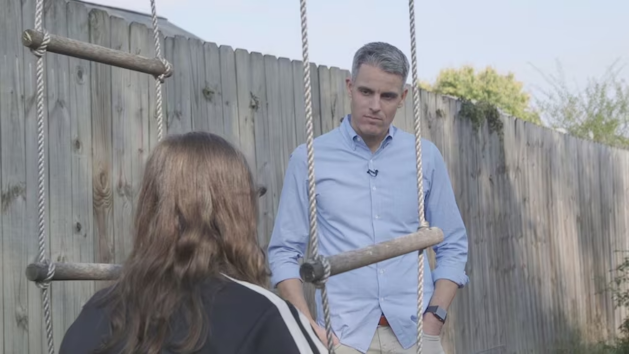
After more than two years of gender-affirming treatments, LW, the Tennessee teenager behind a landmark case at the U.S. Supreme Court, says, “I feel normal now.” (ABC News)
(NASHVILLE) — The transgender Tennessee teenager behind a historic hearing at the U.S. Supreme Court this week doesn’t want to show her face on television but is eager to speak about a case she says has the potential to make thousands of American kids feel “seen” for who they are.
“The court has definitely ruled in ways that would make me think that they don’t exactly value bodily autonomy, but I have heard that they’ve been a little bit better about trans cases than people would think,” said 16-year-old LW in an exclusive interview with ABC News alongside her parents Samantha and Brian Williams.
The court on Wednesday will hear the Williams family’s challenge to Tennessee’s 2023 ban on gender-affirming medical treatments for minors, including puberty-blocking medication and hormone therapies that have dramatically improved LW’s quality of life.
While the medications have been used safely to treat minors of all genders for years, they are now prohibited in Tennessee when used to treat trans kids struggling with gender dysphoria, the distress experienced when one’s gender assigned at birth is different from one’s sense of identity.
“It’s not very comfortable being trapped in [your body] because it just doesn’t feel like you,” said LW, who reports significant improvement since beginning the treatments in 2022.
Since the state law took effect, LW now has to take time away from school to make a 10-hour round trip out of state to continue receiving care. The travel has also been a costly and time-consuming burden, her parents say.
“It would definitely be horrible for me to have to continue to go out of state to get care,” said LW. “I feel normal now.”
Backed by the American Civil Liberties Union, the Biden administration, and major American medical associations, the Williamses sued Tennessee last year alleging the ban on certain gender-affirming treatments for minors discriminates on the basis of sex and overrides the rights of parents to make medical decisions for their children.
“Our state legislature had made such a big deal out of parents’ rights during COVID, about masks and vaccines that that’s for parents to decide these medical decisions for their children,” Samantha Williams said. “And then they made this medical decision for our child.”
State lawmakers who support the law, SB1, say it is meant to protect kids from potentially irreversible effects from treatment and that contradictory scientific evidence and uncertainty about long-term adverse consequences warrant caution.
“We made the policy decision on behalf of our constituents that in Tennessee we think this is a risky procedure,” said state Sen. Jack Johnson, the Senate GOP leader who sponsored the bill. “It is our role as policymakers here in the state of Tennessee to set those guardrails.”
The American Academy of Pediatrics says the effects of puberty blockers are not permanent if treatment is discontinued and that many effects of hormone therapy can also be reversed. Long-term risks may include fertility challenges and possible harm to bone density, but the Academy says those risks require further study.
Worldwide, several countries which had previously embraced the treatments for transgender children have subsequently reversed course, citing unclear data about their purported benefits and alleged harms. In many of those places, the treatments remain available, but on a much more limited basis.
In Tennessee, there are an estimated 3,000 transgender teenagers between ages 13 and 17, according to the Williams Institute at UCLA Law School, which has analyzed Census data. It is not known how many were receiving treatments that are now outlawed or how many suffered alleged harm.
A study published in the medical journal JAMA Pediatrics in October 2024 found the overwhelming majority of participants in a long-term survey of 220 transgender youths reported high levels of satisfaction and low levels of regret in the three to five years after receiving puberty blockers and hormone therapy.
Major American medical associations have for more than a decade endorsed the use of puberty blockers and hormone therapy as part of “individually tailored interventions” to support trans kids and affirm their sense of self.
“It all begins and ends with science. This is not about any sort of agenda,” said Dr. Ben Hoffman, president of the American Academy of Pediatrics, in an interview with ABC.
Clinical practice guidelines from the American Endocrine Society — based on more than 260 research studies — recommend consideration of medications to treat gender dysphoria in young people but waiting until a child reaches adulthood to consider gender-affirming surgery.
“It’s crucial that there be a deep understanding of both the risks and benefits, and truly informed consent,” Hoffman said. “And for that reason, it is, by definition, going to take months or years.”
The Williams family said the decision to use medication to delay LW’s puberty followed months of careful consultation with medical experts and mental health providers. They said they grew worried that masculine changes to LW’s body would compound her gender dysphoria.
“There is this time clock sitting here,” said Brian Williams. “The kids can go through puberty and it can have permanent effects on them. So these two things you’re trying to balance at the same time.”
“She’s not suicidal, but she shouldn’t have to be suicidal, right?, to get the care that she needs,” added Samantha Williams. “When that really hit me, I was like, ‘OK, let’s do blockers. Let’s get moving.'”
More than a year later, LW began receiving hormone therapy to better align her body with her gender identity. The course of treatment led to a reduction in discomfort.
“That was incredibly helpful,” LW said. “I feel amazing after that. You know, maybe it’s just because the gender dysphoria was so bad.”
The outcome of the case U.S. v. Skrmetti could have a sweeping impact on health care for the more than 300,000 American teens who identify as transgender, as well as the broader LGBTQ community.
“This is one of the most significant LGBTQ cases to ever reach the Supreme Court. I think this is an inflection point,” said Chase Strangio, the ACLU attorney representing the Williams family. He will be the first openly transgender person to argue a case before the nation’s highest court.
“Is this going to be a Bowers v. Hardwick type moment that sets off years of government legitimized discrimination against LGBTQ people? Or, is this going to be a Bostock moment that clarifies what we all have been assuming all this time, which is that LGBTQ people are protected under the Constitution and civil rights laws,” Strangio said.
In its 1968 decision in Bowers, the court upheld state laws criminalizing private same-sex conduct; it was overturned in 2003. The Court’s 2020 decision in Bostock v. Clayton County found that employment discrimination on the basis of sexual orientation and gender identity is illegal.
Twenty-six states have laws banning gender-affirming treatments for minors, according to the Human Rights Campaign, an LGBTQ advocacy group.
“What concerns me as a physician is that legislators are going to be able to make decisions about a diagnosis, which is very unusual. I mean, that really hasn’t happened,” said Dr. Susan Lacy, a physician who specializes in hormone management and transgender care for teens and adults at her private practice in Memphis.
Lacy, who is also a party to the Supreme Court case, agrees with Tennessee lawmakers that more research is needed on gender-affirming treatments for minors, but that a debate over the data shouldn’t deny patients the chance to make an informed decision of their own.
“I think the most compelling thing is to listen to the patients,” Lacy said. “I have about 700 transgender patients out of about 3,000 total patients, and I have not seen anybody have a serious complication — not one.”
“I think we’re just at a point where we’re still in the process of treating people and having studies that will give us more and more data to support this treatment,” she said.
Johnson said he hopes the Supreme Court will uphold an appeals court ruling that affirmed Tennessee’s right to impose restrictions on treatments for transgender minors.
“States should be the laboratories of democracy,” he said. “We should be making the vast majority of decisions about what’s best for our people, our constituents here in the statehouse.”
The Williams family says care that has improved the life of their daughter should not be up for political debate.
“I want to listen to the doctors. I want to listen to my kid. I want to take care of her, you know?” Brian Williams said.
Rasid Necati Aslim/Anadolu Agency via Getty Images
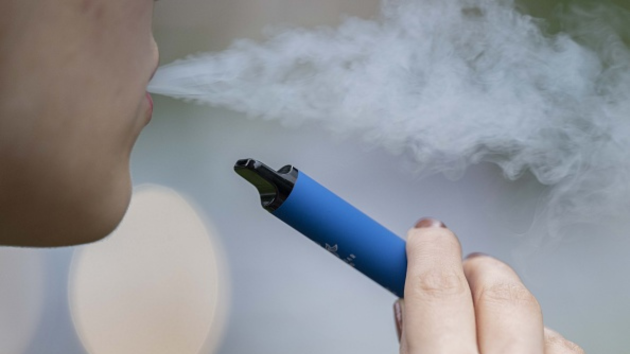
(WASHINGTON) — With e-cigarettes and flavored vapes booming in popularity, the Supreme Court on Monday will examine whether the Food and Drug Administration unlawfully blocked the marketing and sale of more than a million new sweet and candy-flavored nicotine products in recent years.
The case comes as kid-friendly flavors, such as fruit, candy, mint, menthol and desserts, which are not approved by the FDA and are on the market illegally, have been fueling an explosion in retail sales of e-cigarettes.
While vaping among youth is declining, more than 1.6 million children use the products, according to the Centers for Disease Control and Prevention. Nearly 90% of them consume illicit flavored brands.
Two manufacturers of flavored nicotine-laced e-liquids such as “Jimmy the Juice Man Peachy Strawberry” and “Iced Pineapple Express” sued the FDA after their product applications were rejected, alleging regulators imposed unclear and unreasonable requirements to win approval.
Triton Distribution and Vapetasia acknowledged that their products may appeal to youth but insisted that a “growing body of scientific evidence” shows that “flavors are crucial to getting adult smokers to make the switch and stay away from combustible cigarettes.”
A federal appeals court sided with the companies last year, saying the agency had acted arbitrarily. If the Supreme Court upholds that ruling, it could clear the way for broader marketing and sale of flavored nicotine products.
Since 2009, when Congress passed legislation aimed at curbing tobacco use among young people, the government has almost universally denied tobacco company requests to sell flavored nicotine e-liquids, citing risks of addiction among minors.
Under federal law, companies must provide the FDA with reliable and robust evidence to show that the products would promote public health and that, on balance, the benefits to adult smokers would outweigh the risks of youth addiction.
The FDA has said the two companies in this case provided insufficient evidence that the benefits of their flavored e-products in helping tobacco smokers quit exceed the dangers of hooking children.
“If you ask adults who smoke if they were to switch to e-cigarettes what kind of flavors are they interested in, the majority of responses are tobacco flavor. If you ask kids, they like the fruit or candy flavor,” said Caroline Cecot, an administrative law expert at George Washington University Law School. “This was a big part of what the FDA was sort of thinking about. And we have this evidence.”
Nearly a quarter of high school students who use e-cigarettes consume illicit menthol-flavored varieties, according to the 2023 National Youth Tobacco Survey.
Josie Shapiro, the 2024 national youth ambassador for the Campaign for Tobacco-Free Kids who testified before Congress on the dangers of nicotine addiction, said illicit flavored vapes hooked her at age 14.
“I think that by marketing any sort of flavored product as bubble gum or any of the genres of candy, it’s going to catch the eyes of children,” Shapiro said. “I’m still addicted, and I’m still trying to fight my addiction. Honestly, the FDA needs to regulate all flavored tobaccos to flavor ‘tobacco’ products and get them off the market.”
Public health experts have credited the FDA’s restrictions on flavored nicotine products with helping to drive down the number of teenagers who vape gradually from an “epidemic” level just five years ago.
The case, Food and Drug Administration v. Wages and White Lion Investments, LLC, will be decided before the end of the Supreme Court’s term in June 2025.
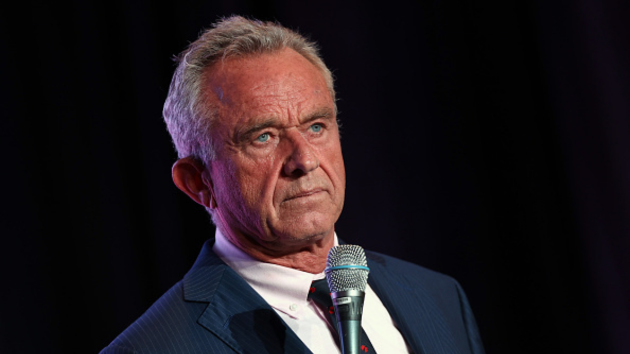
(WASHINGTON) — Named to lead the nation’s sprawling Department of Health and Human Services, Robert F. Kennedy Jr. has big ideas for busting public health policy norms.
His Senate confirmation hearings — should they happen — will come with lots of questions about what Kennedy’s ideas would look like in practice.
His new role would mean relinquishing his outsider critic status and working from within a massive government system, leading an agency of 80,000 employees and dealing with everything from drug approvals to food recalls to the pandemic response.
So, what happens when his motto “Make America Healthy Again” collides with one of Washington’s largest government bureaucracies?
“He seems very clear on what it is he wants to get done. I’m just not sure he has an understanding of what it will take to get that done,” said one former senior HHS official who worked in the Biden administration.
Vaccines
On vaccines, President-elect Donald Trump’s picks of Johns Hopkins University professor Marty Makary to lead the Food and Drug Administration, former GOP Rep. Dave Weldon to head the Centers for Disease Control and Prevention and Dr. Janette Nesheiwat as surgeon general certainly add to Kennedy’s ability to make changes — if they’re confirmed by the Senate.
Both Makary and Weldon have raised questions about vaccine side effects, although they’ve also at times been supportive overall of the role vaccines play in public health. Kennedy himself has falsely claimed that vaccines cause autism, which has been debunked by numerous studies.
In their new positions, Makary, Weldon and Kennedy would have the power to select the experts who sit on important FDA and CDC advisory panels. Those panels play a key role in vaccine recommendations and authorizations for the general public, ultimately creating public health guidance for years to come.
“I think massively, in large part, the health care community would continue to move forward on vaccines as they do now, as they are considered to be one of the massive successes of public health in the last 100 years. And I don’t think that would change,” said Tom Inglesby, a former senior adviser to HHS and the White House during COVID-19 during the Biden administration.
“But what could change is potentially the cost of vaccines, the access to vaccines, guidance around new vaccines that might come online, and also confusion around public messaging from the federal government about safety and effectiveness of vaccines,” Inglesby said.
Food and nutrition
When it comes to chemicals and the food Americans consume, it’s less clear how Kennedy could make changes at HHS, as opposed to the Environmental Protection Agency or the Department of Agriculture, which have more oversight of areas such as water fluoridation, which Kennedy opposes, or school lunches, which he says he wants to make healthier. He has said, however, that he would gut the entire nutrition department at the FDA.
Kennedy could also move around funding — he’s said he’d deprioritize infectious disease research in favor of chronic illness research, for example. As avian flu cases continue to rise — raising concerns about a new pandemic — public health experts and former government officials have pushed back strongly on that idea.
But he has also called for restrictions on food additives, dyes and ultra-processed foods, something he could have direct influence over through the FDA, which determines safe thresholds for the “Acceptable Daily Intake” on substances.
Kennedy has generally received a more cautious welcome from the public health community regarding his focus on healthy food.
“There are some things here that are worth working on. You know, if we’re looking at the school lunch program in America, 30 million children get more than half of their calories from that program. It would be a wonderful thing to make that the best school lunch program possible,” said Dr. Richard Besser, former CDC acting director.
But many public health experts are also wary of giving Kennedy credit, for fear it could lend credibility to other false information he promotes. He advocates drinking raw milk, for example, even though the pasteurization process kills off bacteria that can cause serious illness, including the fast-spreading avian flu.
“One of the dangerous things about RFK Jr. is that there are bits of things he says that are true, and they’re mixed in. And it makes it really hard to sort out what things you should follow because they’re based on fact, and which things are not,” Besser told ABC News, where he was former chief health and medical editor.
Experts also question Kennedy’s ability to counter powerful Washington lobbies — one of his stated main goals — in a Trump administration focused on working with big business on deregulating industries.
Abortion access
Another area where Kennedy could be out of line with the Trump administration is abortion access. Kennedy has said he supports legal abortion access until fetal viability (despite an earlier comment on the campaign trail that he later walked back about supporting a 15-week ban) and that such decisions should be up to women.
Many abortion rights advocates still expect the Trump administration to quickly move to rescind protections and halt legal fights the Biden administration initiated after the fall of Roe v. Wade — but are hopeful that Kennedy and the broader administration would not attempt sweeping bans.
“[Trump’s] obviously waffled on this and other issues a thousand times so I’m not going to trust every word he says, but I do think there’s the possibility that he and his administration has seen that actually, abortion access is very popular,” said Katie O’Connor, senior director of abortion policy at the National Women’s Law Center.
“We have seen that over the past three elections, and there could be pushback if this administration does something to further restrict abortion access.”
There are certainly members of Trump’s orbit who would support broader restrictions on abortion, but Trump himself has said he would not sign a federal ban if Congress passed one.
Some of the policies O’Connor expects to see rolled back would include the Pentagon paying for service members who need to cross state lines to get an abortion because of where they were stationed, as well as expanded access to abortion pills through telemedicine.
As HHS secretary, Kennedy could undo these rules and also build on the first Trump administration’s efforts. He could expand protections for health care providers who don’t want to perform abortion procedures, allowing more providers to deny care, and make it more difficult for private insurers to cover abortion, leaving it more expensive for patients, O’Connor said.
Large-scale bans, were they executed, would focus on removing access to the medication abortion pill called mifepristone, either by attempting to take medication abortion off the market by way of the FDA approval process, or employing a very old law called the Comstock Act to prohibit the pills from being mailed.
“I do hold out hope that this administration doesn’t want to expand political capital on abortion,” O’Connor said.
(WASHINGTON) — President-elect Donald Trump is nominating a critic of COVID-19 lockdown policies to serve as the head of the National Institutes of Health.
In a statement, Trump said he has picked Dr. Jay Bhattacharya to serve as NIH director to work in cooperation with Robert F. Kennedy Jr. — whom Trump named as his pick for secretary of the Department of Health and Human Services — to direct the nation’s medical research.
“Together, Jay and RFK Jr. will restore the NIH to a Gold Standard of Medical Research as they examine the underlying causes of, and solutions to, America’s biggest Health challenges, including our Crisis of Chronic Illness and Disease,” Trump said in the statement. “Together, they will work hard to Make America Healthy Again!
Bhattacharya is a professor of health policy at Stanford University who gained notoriety for openly opposing COVID-19 lockdown restrictions.
In addition to a medical degree, he has a doctorate in economics.
Trump also nominated Jim O’Neil to serve as the deputy secretary of the Department of Health and Human Services to “oversee all operations and improve Management, Transparency, and Accountability,” according to a statement.
(FRESNO, CA) — After bird flu was detected in a retail sample of raw milk produced and packaged by Raw Farm, LLC, the California Department of Public Health warned consumers on Sunday to avoid consuming any from the same lot.
At the state’s request, the Fresno County-based company also issued a voluntary recall of the affected product: cream top, whole raw milk from lot No. 20241109 with a “best by” date of Nov. 27.
Anyone in possession of the product will be able to pursue a refund from the location where the item was originally purchased.
Retailers have also been notified to take affected products off of their shelves.
The CDPH has also emphasized that pasteurized milk remains safe to drink.
Most cases of bird flu discovered in humans in the current outbreak are with people that worked directly with birds or cows. There are not any cases known to be associated with raw milk consumption, but the risks associated with raw milks have been long established.
The Food and Drug Administration has previously warned of the possible dangers of drinking raw milk.
In a statement from May 2024, it warned, “Raw milk can carry dangerous germs such as Salmonella, E. coli, Listeria, Campylobacter, and others that cause foodborne illness, often called ‘food poisoning.'”
Raw milk products do not undergo pasteurization, which is a heating process that kills bacteria and viruses.
Pasteurized milk and dairy products, however, are safe to consume because the heating process kills pathogens that can cause illness — including bird flu.
However, raw milk does have its proponents, including Robert F. Kennedy Jr.
Last month, in a post on X, called the FDA’s “aggressive suppression” of it part of the agency’s “war on health.”
In November, President-elect Donald Trump selected RFK Jr. to lead the Department of Health and Human Services. The appointment requires Senate confirmation.
As of Sunday evening, no illnesses had been reported in association with the finding of bird flu in the single lot of raw milk.
The contaminated sample was discovered as part of routine testing performed by the County of Santa Clara Public Health Laboratory, which tests raw milk products from retail stores as a second line of consumer protection. The finding was then verified by the California Animal Health and Food Safety Laboratory System.
In response to the positive test, the California Department of Food and Agriculture provided onsite testing at the Raw Farms facilities, which were negative for bird flu. CFDA will continue testing raw milk banks twice per week.
ABC News’ Claire E. Strindberg contributed to this report.
Three influenza A (H5N1/bird flu) virus particles (rod-shaped). Note: Layout incorporates two CDC transmission electron micrographs that have been inverted, repositioned, and colorized by NIAID. Scale has been modified. Image via CDC and NIAID.
(NEW YORK) — As seasonal influenza ramps up, and with bird flu continuing to circulate, some public health experts are worried there may be a strain on the public health system.
Since the bird flu outbreak began earlier this year connected to dairy cows and poultry, there have been 55 human cases reported in the U.S., according to the Centers for Disease Control and Prevention (CDC). This includes a child in California, who was confirmed on Friday by the agency to be the first pediatric case linked to the outbreak.
There is currently no evidence of person-to-person transmission of bird flu and the risk to the general public is low, federal health officials say. But with millions of seasonal flu infections around the corner, there is some concern about additional stress on how public health surveillance systems will track the virus.
“I think it does add a layer of stress, at least in the public health planning part of things, because we have to think about what resources would be necessary were we to have a significant outbreak of bird flu,” Dr. Tony Moody, a professor of pediatrics and infectious diseases specialist at Duke University, told ABC News.
Bird flu and seasonal flu at the same time
Currently, respiratory virus activity is low in the U.S., but the country is on the brink of entering traditional flu season.
Dr. Otto Yang, a professor of medicine and microbiology, immunology and molecular genetics at the David Geffen School of Medicine at the University of California, Los Angeles, said the flu season earlier this year in the Southern Hemisphere looked typical so the same can be expected for the Northern Hemisphere.
Countries in the Southern Hemisphere experience their flu season before countries in the Northern Hemisphere. This often provides a glimpse as to what the upcoming flu season may potentially look like for the Northern Hemisphere, though it is not fully predictive of what may occur in each individual country.
“It looks like everything so far points to a fairly typical flu season in terms of the numbers, not [an] especially severe flu season, but not one especially mild either,” he told ABC News.
So far, all bird flu cases in humans in the U.S. have been mild and patients have all recovered after receiving antiviral medication. Almost all confirmed cases have had direct contact with infected livestock.
Yang said he doesn’t see bird flu putting a major strain on the health system right now, but there are unknown factors such as whether COVID-19 or RSV will lead to a higher number of cases than normal.
Moody added that health systems have conversations every year about respiratory virus season regarding whether there are enough beds, enough staff and enough equipment to treat sick patients, and that unknown factors always present a threat.
“That’s what we would be thinking about, is, what can we do to try to blunt that as much as possible, because it’s not so much that the public health system can’t absorb it,” he said. “They just can’t absorb everything all at once.”
Testing for bird flu
With flu season expected to start ramping up in the coming weeks, it may be increasingly difficult to differentiate bird flu from seasonal flu without more extensive testing, experts say.
“The reality is, we want to be ahead of a problem. There’s a surveillance challenge that was easier in the summer because we didn’t have seasonal flu cycling,” said Dr. John Brownstein, an epidemiologist and chief innovation officer at Boston Children’s Hospital and an ABC News medical contributor. “As we enter flu season, we’re going to have a respiratory mix that includes flu and may include cases of avian, and it’ll be an even greater needle in the haystack.”
Right now, a PCR test, which checks for genetic material, is needed to detect a novel flu virus in a patient. More than 60,000 tests have been completed by public health labs to detect any presence of bird flu since February of this year, according to the CDC.
Tests are sent to public health labs if there is suspicion of bird flu exposure from a clinician or a sample was submitted for surveillance purposes. Health care systems send in a quantity of flu samples to public health labs for additional testing to help detect any new bird flu cases, which is how a case in Missouri was initially identified.
“We’re doing some opportunistic sampling of cases that would get additional sequencing. [Our hospital] is sending five samples per week to state labs that would ultimately get deeper identification for bird flu,” Brownstein said.
The nation’s flu surveillance systems “are built to be able to detect novel flu infections even during peak flu season” the CDC told ABC News in a statement in part. “The level of testing performed is designed to scale with increases in seasonal flu activity so that we’re casting a wider net and maintaining the ability to detect rare infections with novel influenza viruses.”
Other surveillance methods like emergency department trends and wastewater data may become less reliable as seasonal flu ramps up, Brownstein said.
“Patients that have access to rapid tests at home also aren’t necessarily collected and connected to surveillance systems” he added.
Risk of recombination
Questions have swirled about whether or not bird flu and seasonal influenza could form a recombinant virus, meaning a combination of the two.
There is currently no evidence that this has happened and, although it is possible for either virus to mutate with each new case, experts believe this is unlikely considering bird flu is not yet showing evidence of person-to-person transmission.
“It certainly is possible, but generally you get recombination when you have hosts where both strains can get in easily, and at the moment the bird flu strain is not traveling human to human, and so very, very few humans are infected with it,” Yang said. “It’s been a handful of cases, so the risk is really tiny.”
Moody said so-called “recombination events” do happen, with people becoming infected with multiple viruses at the same time or multiple strains of a virus. However, most of the time, they are “failures,” he said.
“That’s an important thing to understand, these recombination events are happening all the time and, most of the time, it doesn’t go anywhere,” Moody said. “Very, very rarely it does, and then that becomes a possibility for transmission”
How to best protect yourself
Moody and Yang say they both recommend that people receive the flu shot. Flu vaccines are currently available for everyone six months and older, according to the CDC.
In the last flu season prior to the COVID-19 pandemic, flu vaccination prevented an estimated 7 million illnesses, 3 million medical visits, 100,000 hospitalizations, and 7,000 deaths in the U.S., the CDC said.
The seasonal flu vaccine does not protect against bird flu, but it can reduce the risk of human influenza viruses, and therefore lower the risk of co-infection.
“Is there the potential for some cross-benefit for the avian flu? There may be. It’s hard to say, because, of course, these viruses are distinct from one another,” Moody said.
The label for a ready-to-eat product by Yu Shang Food, Inc. that is part of a recall. Image via U.S. Department of Agriculture
(NEW YORK) — An infant has died in a listeria outbreak linked to a brand of ready-to-eat meat and poultry products, federal authorities said Friday.
As of Friday, 11 people have been infected in four states in the outbreak, according to the U.S. Centers for Disease Control and Prevention. Among them, nine people have been hospitalized and an infant from California has died, the CDC said.
The infections have been linked to recalled ready-to-eat meat and poultry products by Yu Shang Food, based in Spartanburg, South Carolina, according to the CDC. The recalled products include pork hock, chicken feet, pork feet, duck neck, beef shank and pork tongue.
Most of the cases — seven — were in California, while two were in Illinois and one each in New York and New Jersey, according to the CDC. Those infected ranged in age from under 1 to 86, with a median age of 64, according to the CDC.
The infant who died and his pregnant mother were both infected in the outbreak, according to the CDC. The infant had a twin who also died, though listeria was not found in the other twin’s sample and the case is not included in the outbreak, the CDC said.
One other listeria illness was reported in an infant who recovered, the CDC said.
“We did not receive any reported illness from the group of 11 illness,” Yu Shang Food told ABC News. “Those 11 cases are collected by CDC from 2021 to 2024. Among of these 11 illnesses, there are 9 people only mentioned they had visited Asian stores before they got sick, but not mention they purchased YUSHANG brand products or ate YUSHANG brand products. There was 1 infant dead, but no evidence showed the mother ate Yushang brand products to get sick, only mentioned she ate Yushang brand products before got sick.”
“The true number of sick people in this outbreak is likely higher than the number reported, and the outbreak may not be limited to the states with known illnesses,” the CDC said.
Yu Shang Food has recalled approximately 72,240 pounds of ready-to-eat meat and poultry products due to possible listeria contamination, the U.S. Department of Agriculture’s Food Safety and Inspection Service (FSIS) said on Thursday.
The recalled foods include products made before Oct. 28, the CDC said. The products subject to recall have the number “P-46684” or “EST. M46684” inside the USDA mark of inspection. They were shipped to retail locations nationwide and were sold online.
The full list of recalled items can be viewed here. Anyone with the products is advised to throw them away or return them to the place of purchase, and surfaces should be thoroughly cleaned. Listeria can survive in the refrigerator at cooler temperatures and easily contaminate other foods.
“FSIS is concerned that some product may be in consumers’ refrigerators/freezers,” the agency said.
The FSIS said the problem was discovered when a finished food product produced by Yu Shang Food tested positive for listeria on Oct. 21. Listeria was detected in additional testing of product and environmental samples collected by the FSIS, it said.
“Working in conjunction with public health partners, FSIS determined that there is a link between the [ready-to-eat] meat and poultry products from Yu Shang Food, Inc. and an illness cluster,” the FSIS said.
The company initially issued a recall on Nov. 9 that was expanded on Thursday.
People aged 65 and older, pregnant women and those with weakened immune systems are more at risk of serious illness due to listeria, according to the CDC.
Symptoms usually start within two weeks of eating food contaminated with listeria and can include fever, muscle aches, headache, tiredness, stiff neck, confusion, loss of balance and seizures, according to the CDC.
The CDC advises contacting a health care provider right away if symptoms develop.
(NEW YORK) — Some hospitals in the U.S. are seeing an increase in RSV and higher levels of “walking pneumonia” among young children despite overall respiratory illness activity remaining low nationally.
Cook Children’s Medical Centers in Texas reported a “steep increase” in children visiting the emergency room due to respiratory-related illnesses.
On Tuesday, at the health system’s Fort Worth location alone, there were 572 patients — a near-record-high number — in the emergency department. Officials said the increase in hospital visits is due to a spread of RSV and walking pneumonia in the Dallas-Fort Worth area.
Additionally, University of North Carolina hospitals reported 40 walking pneumonia cases in the last week of October compared to no cases the same time last year.
Infectious disease specialists say that although parents should stay alert when it comes to respiratory illnesses spreading, this season also may also be marking a return to typical seasons seen before the COVID-19 pandemic.
“It’s the calm before the storm,” Dr. Peter Chin-Hong, a professor of medicine and infectious disease specialist at the University of California, San Francisco, told ABC News. “It feels that there’s so much going on … that we almost forget about respiratory viruses, but they’re very regular. They’re kind of falling back into normal pre-pandemic cadence.”
Walking pneumonia seeing cyclical increase
So-called “walking pneumonia” is a respiratory tract bacterial infection caused by the bacteria Mycoplasma pneumoniae (M. pneumoniae), according to the Centers for Disease Control and Prevention.
Infections are generally mild, and people may seem better than expected for those with a lung infection, hence the term walking pneumonia, the CDC said. Sometimes serious complications, however, emerge requiring hospitalization.
For the week ending Nov. 2, the latest for which CDC data is available, 2.8% of all pneumonia-associated ED visits led to an M. pneumoniae diagnosis, up from just 2% at the end of September.
Rates were highest among those ages 1 and younger, making up 7.8% of all pneumonia-associated ED visits with an M. pneumoniae diagnosis for the week ending Nov. 2.
Experts say mycoplasma infections have a cyclical nature and tend to surge every three to seven years.
“Just like other respiratory viruses, there was not a lot of exposure during the pandemic years because of social distancing and people staying away from each other, and so we’re catching up to that,” Chin-Hong said. “Mycoplasma may also be one of these things where you’re kind of seeing the perfect storm. So, it comes back every four or five years and people are getting back to their normal lives.”
RSV activity returning to pre-pandemic levels
Respiratory syncytial virus, or RSV, is a common respiratory virus with most children affected by their second birthday, according to the CDC.
Although it typically causes mild, cold-like symptoms and most people recover in one to two weeks, it can be a serious infection for infants and older adults, resulting in hospitalization, the CDC said.
Current levels remain lower than those seen at the same time during the past few seasons.
“While RSV activity is increasing in certain regions, particularly among young children, it’s important to remember that we’re seeing a return to more typical pre-pandemic patterns,” said Dr. John Brownstein, an epidemiologist and chief innovation officer at Boston Children’s Hospital and an ABC News contributor.
“This year’s season is starting later and progressing more slowly compared to the past few years, which were marked by earlier and more severe outbreaks,” he added.
Brownstein pointed out that while national levels remain low, certain regions in the southern U.S. and eastern U.S. are seeing localized surges, especially among young children.
When to go to the emergency room
Chin-Hong said if symptoms are mild, including low-grade fever, dry cough, sore throat, headaches and mild aches and pains, parents can keep their children home and contact their primary care provider with any questions.
However, when symptoms become more severe including difficulty breathing, a long-lasting fever or lethargy, then it might be time to visit the emergency room.
If you have “a child who’s having a cough for more than seven days and maybe they’re not shaking that off, then you worry about something like walking pneumonia,” Chin-Hong said.
How to prevent RSV and walking pneumonia
To prevent RSV, there are three vaccines approved for adults ages 60 and older as well as some adults between the ages 50 and 59 who are at higher risk. There is also a vaccine available for pregnant women between 32 weeks and 36 weeks of pregnancy.
For babies under eight months, there are two monoclonal antibody products available. Monoclonal antibodies are proteins manufactured in a lab that mimic the antibodies the body naturally creates when fighting an infection.
“For walking pneumonia. or mycoplasma, there’s no vaccine for that, but by getting vaccines for RSV, COVID [and] influenza, you reduce the probability of co-infections that can make things worse,” Chin-Hong said.
Experts also recommended applying lessons learned during the COVID-19 pandemic, such as wearing a mask in spaces with poor ventilation.
“Practicing good hygiene, like frequent hand-washing and covering coughs and sneezes, remains essential in preventing the spread of respiratory infections,” Brownstein said.
(NEW YORK) — President-elect Donald Trump announced Tuesday that heart surgeon-turned-TV-host Dr. Mehmet Oz would lead the Centers for Medicare & Medicaid Services (CMS).
“America is facing a Healthcare Crisis, and there may be no Physician more qualified and capable than Dr. Oz to Make America Healthy Again,” Trump said in a statement. “He is an eminent Physician, Heart Surgeon, Inventor and World-Class Communicator, who has been at the forefront of healthy living for decades.”
The position of CMS administrator requires Senate confirmation.
Here’s what to know about Oz, his medical career and some medical claims he’s made that have come under fire.
Is Oz a real doctor?
Oz graduated with a Doctor of Medicine degree from the University of Pennsylvania School of Medicine and completed a Master of Business Administration from UPenn’s Wharton School of Business at the same time.
He completed his surgical training in cardiothoracic surgery at New York Presbyterian Hospital (Columbia Campus).
He was previously the director of the Cardiovascular Institute at New York Presbyterian Hospital and vice-chairman and professor of surgery at Columbia University College of Physicians and Surgeons. His title was then changed to Professor Emeritus of Surgery in 2018.
Medicine “was my calling,” Oz said in a Wharton Magazine profile from 2010. “I knew it from a very early age. I played a lot of sports growing up, and like a lot of other athletes, I really enjoyed the challenge of using my hands. I just loved the idea of being in a field where you could [do that].”
Oz began his TV career as a health expert on “The Oprah Winfrey Show” before launching “The Dr. Oz Show,” which ran from 2009 to 2022. The show ended when Oz launched an unsuccessful bid for the U.S. Senate in Pennsylvania.
What would Oz run as CMS administrator?
CMS administers the Medicare program, the federal health insurance program for those mostly aged 65 and older.
The agency also works with state programs to administer Medicaid, which is health insurance for disabled and low-income Americans, and the Children’s Health Insurance Program, which provides low-cost coverage to children with families that don’t qualify for Medicaid.
Oz has supported Medicare Advantage, which is run by commercial insurers and has been promoted by Trump. Project 2025 — a plan of conservative policy proposals proposed by the Heritage Foundation and not endorsed by Trump — has proposed Medicare Advantage be the default option for Medicare coverage.
Experts have said this could privatize the program and prevent people from receiving care from doctors and hospitals that don’t accept Medicare Advantage.
In Tuesday’s announcement, Trump said Oz would work closely with Robert F. Kennedy, Jr. the president-elect’s pick to lead the Department of Health and Human Services, which oversees CMS.
What are Dr. Oz’s past controversies?
During the early days of the COVID-19 pandemic, Oz promoted hydroxychloroquine, an anti-malarial drug, as a COVID-19 treatment. Trump later touted the drug as a “game changer,” although medical researchers warned more study was needed.
In June 2020, the U.S. Food and Drug Administration revoked emergency authorization for hydroxychloroquine and chloroquine to treat COVID-19, saying evidence shows the recommended dose is unlikely to be effective against the virus.
Oz also made past statements indicating that he endorsed spacing out childhood vaccines and expressed ambivalence towards a discredited theory that vaccines cause autism, according to a 2022 study. In later episodes of his TV show, Oz would go on to endorse the measles, mumps, rubella shot.
Oz also came under fire due to his claims about certain “miracle” products to help consumers lose weight.
During a 2014 hearing before the Senate Commerce, Science, and Transportation Committee on consumer protection, then-Sen. Claire McCaskill of Missouri grilled Oz, claiming he had a role in “perpetuating” scams.
“When you feature a product on your show, it creates what has become known as the ‘Oz effect,’ dramatically boosting sales and driving scam artists to pop up overnight using false and deceptive ads to sell questionable products,” she said. “While I understand that your message is also focused on basics like healthy eating and exercise, I’m concerned that you are melding medical advice news and entertainment in a way that harms consumers.”
During the hearing, Oz defended his statements, saying he believed in the benefits of the products he promoted on his show.
“I actually do personally believe in the items I talk about in the show. I passionately study them. I recognize that often times they don’t have the scientific muster to present as fact. But, nevertheless, I give my audience the advice I give my family all the time. I give my family these products, specifically the ones you mentioned. I’m comfortable with that part,” he said.