
House Democrats demand answers from CDC over recent changes to vaccine advisory panel

House Democrats demand answers from CDC over recent changes to vaccine advisory panel
Thomas Fuller/SOPA Images/LightRocket via Getty Images

(NEW YORK) — House Democrats on the Oversight Committee are calling for an urgent briefing with staff from the Centers for Disease Control and Prevention (CDC), demanding answers over recent moves that have taken place among the agency’s vaccine advisory panel, ABC News can exclusively report.

House Oversight Committee Ranking Member Rep. Robert Garcia and Oversight Subcommittee on Health Care and Financial Services Ranking Member Rep. Raja Krishnamoorthi sent a letter on Thursday morning to CDC chief of staff Matthew Buzzelli, expressing concern over the CDC’s Advisory Committee on Immunization Practices (ACIP).

Recently, Health and Human Services (HHS) Secretary Robert F. Kennedy Jr. removed all 17 sitting members of the ACIP and replaced them with hand-selected members, some of whom have expressed vaccine-skeptic views.

During the first meeting with the new members a few weeks later, the ACIP refused to recommend certain flu vaccines with thimerosal, said it would be examining the child immunization schedule — including whether babies needed to receive the hepatitis B vaccine at birth — and heard a presentation from “the former president of Secretary Kennedy’s anti-vaccine organization,” according to a copy of the letter viewed by ABC News.

Although not named in the letter, this is in reference to Lyn Redwood, a former president of the Children’s Health Defense, a group founded by Kennedy that pursues anti-vaccine causes.

“Oversight Committee Democrats write to understand how these appointees were selected, whether their decisions align with science, and what potential conflicts of interest may be compromising our public health system,” the letter reads.

Garcia and Krishnamoothi also expressed concern over the failure to vote on recommendations for an updated COVID-19 vaccine before the fall, despite the vote initially being listed on the agenda, as well as concern over potential influence from Kennedy beyond selecting new members for the panel.

Reportedly, a CDC document was removed from the meeting materials for last month’s ACIP meeting before the meeting began. The document allegedly found there was no link between the preservative thimerosal in flu vaccines and autism. Kennedy has previously, and falsely, suggested a connection between the two.

The congressional members called for a briefing with CDC staff by Thursday, July 17, and certain information and documents by Thursday, July 24. These include: communications and documents related to the ACIP meeting held last month and the selection of the new ACIP members; a detailed description of how and why each member was selected; and communications between any individual at HHS or CDC with any of the seven new members between Jan. 20 and June 25

“Secretary Kennedy has repeatedly put his personal political ideology ahead of public health and safety, without regard for genuine scientific evidence,” the letter reads. “His efforts have drawn serious criticism from even Republican public health experts … These attacks on the independent scientific public health process will make Americans sicker.”

The letter comes just a few days after major medical organizations, including the American Academy of Pediatrics, filed a lawsuit against the HHS and Kennedy over what they called “unlawful, unilateral vaccine changes.”

The organizations accused the HHS and Kennedy of intentionally taking away vaccines, such as the COVID-19 vaccine, and unjustly replacing the entire ACIP.

Copyright © 2025, ABC Audio. All rights reserved.

US measles cases hit highest number in 33 years: CDC

US measles cases hit highest number in 33 years: CDC
Jan Sonnenmair/Getty Images

(NEW YORK) — Measles cases in the United States have reached their highest number in more than 30 years, according to new federal data published Wednesday.

There have been 1,288 confirmed measles cases across 38 states nationwide, according to the Centers for Disease Control and Prevention (CDC). By comparison, the U.S. recorded 285 cases all of last year, CDC data showed.

This marks the highest number of cases since 1992. The previous high occurred in 2019 when the U.S. reported 1,274 cases.

The states with confirmed cases include: Alaska, Arkansas, Arizona, California, Colorado, Florida, Georgia, Hawaii, Illinois, Indiana, Iowa, Kansas, Kentucky, Louisiana, Maryland, Michigan, Minnesota, Missouri, Montana, Nebraska, New Jersey, New Mexico, New York, North Carolina, North Dakota, Ohio, Oklahoma, Oregon, Pennsylvania, Rhode Island, South Dakota, Tennessee, Texas, Utah, Vermont, Virginia, Washington and Wyoming.

Among the nationally confirmed cases, the CDC said 92% are among people who are unvaccinated or whose vaccination status is unknown.

Meanwhile, 4% of cases are among those who have received just one dose of the measles, mumps, rubella (MMR) vaccine and 4% of cases are among those who received the required two doses, according to the CDC.

According to the CDC, there have been at least 27 outbreaks this year, accounting for 88% of confirmed cases. By comparison, 16 outbreaks were recorded in 2024.

Texas experienced a large outbreak this year, with 753 cases reported since January. The rate of spread has slowed in recent weeks, with few cases reported.

At least two school-aged children have died. Both were unvaccinated and had no known underlying conditions, according to Texas health officials.

A third measles death was recorded in New Mexico among an unvaccinated adult who tested positive after dying, according to the New Mexico Department of Health.

This is a developing story. Please check back for updates.

Copyright © 2025, ABC Audio. All rights reserved.

Natural disasters like Texas floods can affect mental health, according to experts

Natural disasters like Texas floods can affect mental health, according to experts
Photo by Brandon Bell/Getty Images

(Texas) — Central Texas is continuing to recover from devastating rains and “catastrophic” flooding that damaged homes and businesses and killed more than 100 people, many of whom were children.

Victims and first responders may suffer physical injuries from natural disasters, such as floods, but psychologists and disaster experts say such events can also exact a heavy mental health toll – and the resources to address that cost may not always be available.

“We don’t talk about mental health in general enough and mental health services, in general, are under-resourced. So, when it comes to disasters, we’re already strapped for resources,” Reggie Ferreira, a professor at Tulane University’s School of Social Work and director of the university’s Disaster Resilience Leadership Academy, told ABC News.

“I would definitely say, especially for decision makers, to prioritize mental health because, at the end of the day, you can have wonderful community-based programs,” he continued. “But if your community’s mental health is not taken care of first, these infrastructure programs don’t mean a lot in the long run.”

Mental health impact of natural disasters

2013 review of mental health responses to community disasters, published in the Journal of the American Medical Association, stated that one-third or more of individuals severely exposed to a natural disaster can develop post-traumatic stress disorder (PTSD) or other disorders.

Another 2023 meta-analysis found a connection between natural disasters and a deterioration of mental health. implying an increase in mental illness soon after extreme weather events.

Ferreira said every individual is unique, and so everyone may have a different response to a natural disaster, but there are common signs of trauma to look out for.

“Fear, disbelief, numbness, guilt as well,” he said. “You know, ‘Why am I experiencing this?’ Or, if someone has passed away, there’s a [survivor’s] guilt element that comes in. Longer term, there’s definite symptoms that [arise] such as depression, anxiety; post-traumatic stress disorder can come about.”

He continued, “There might just be a trigger that comes about, a particular smell or seeing an image or just recalling a particular event that happened with them during a disaster. This … results in cascading effects for people.”

Ferreira said some of those affected may turn to substance abuse as a result of the trauma, or experience conflict in relationships.

Climate scientists have said that climate change is likely to make extreme weather events, similar to those experienced in Texas, occur more frequently and with more intensity . This means “there will definitely be an increase in mental health symptoms as it relates to our changing climate,” according to Ferreira.

If you need help, Ferreira said it’s important to be aware of hotlines that are available, such as the American Red Cross’ Disaster Distress Helpline. It’s also helpful for people in an affected community to provide social support, if they can.

“If you were not impacted directly by the disaster, it’s important if you can get someone a meal or replace some of their daily tasks for them,” Ferreira said. “That social support in the long run really does have an impact on mental health outcomes.”

Effects on children

Natural disasters, like the floods in Texas, also can take a mental and emotional toll on children.

Marni Elyse Axelrad, clinic chief of the psychology division and a pediatric psychologist at Texas Children’s Hospital, said there are two groups of children to be concerned about: those who were severely affected and lived through the event, and those experiencing it via the news, on social media, or who know someone affected by the event.

For the children who were directly affected, “in the short term, we worry about seeing things like increased irritability and anger, loss of interest in things children were previously interested in, more or less sleep, changes in appetite, physical complaints and exacerbations of previous difficulties,” Axelrad told ABC News.

In the long term, the affects could lead to anxiety, depression, disruptive behavior and symptoms of PTSD, Axelrad said.

Children who were not directly affected can experience similar symptoms, Axelrad said, but noted that they can be lessened to varying degrees by reducing the child’s exposure to coverage of the natural disaster.

Axelrad said that there’s no right way or wrong way for a child to respond in the immediate aftermath of a natural disaster. However, it’s important to reestablish familiar routines for children as soon as possible. It’s also important for parents and other adults to validate a child’s feelings, as well as to spend extra time with them and to set a good example of coping skills through their own behavior. It also important to validate the feelings of children who were not directly affected by the natural disaster, she added.

“Making sure that we’re not invalidating a child’s feelings, [that] we’re not saying, ‘Stop crying, you weren’t a part of this. You’re so lucky that it wasn’t you,'” Axelrad said. “Those aren’t very helpful things to say. Rather, saying, ‘I also saw those images and they were really scary. I hear that you’re scared, and I want to reassure you about your safety’ is very important.”

“I think that sometimes we try really hard to minimize the negative feelings in our children and these negative feelings are normal and to be expected,” Axelrad added.

Copyright © 2025, ABC Audio. All rights reserved.

Medical groups sue HHS, RFK Jr. over ‘unlawful’ vaccine changes

Medical groups sue HHS, RFK Jr. over ‘unlawful’ vaccine changes
Anna Moneymaker/Getty Images

(WASHINGTON) — Several major medical organizations filed a lawsuit against the Department of Health and Human Services (HHS) and Secretary Robert F. Kennedy Jr. on Monday over what they are calling “unlawful, unilateral vaccine changes.”

The six groups — including the American Academy of Pediatrics (AAP), the American College of Physicians (ACP) and the Society for Maternal-Fetal Medicine (SMFM) — as well as a pregnant woman filed the lawsuit in the U.S. District Court for the District of Massachusetts.

The organizations, representing pediatricians, infectious disease physicians and public health professionals, accused the HHS and Kennedy of intentionally taking away vaccines, such as the COVID-19 vaccine, and unjustly replacing the Centers for Disease Control and Prevention’s (CDC) entire vaccine advisory panel.

The lawsuit seeks preliminary and permanent injunctions to enjoin Kennedy’s new COVID vaccine recommendations and a declaratory judgment pronouncing the change as unlawful.

Kennedy “has been on a warpath. It’s gotten to the point that we are going to … ask the court to put a stop to it,” Richard H. Hughes IV, a partner at Epstein Becker Green and lead counsel for the plaintiffs, told ABC News. “This decision to unilaterally overturn the COVID recommendation based on a history of bias — it was an arbitrary, capricious decision. They didn’t make any effort to follow any ordinary processes.”

Hughes said the HHS violated the Administrative Procedure Act, a U.S. federal law that establishes procedures federal agencies must follow when making rules.

In response to a request for comment, an HHS spokesperson told ABC News, “The Secretary stands by his CDC reforms.”

In late May, the U.S. Food and Drug Administration announced it was planning to limit access to future COVID vaccines to those aged 65 and older and others with underlying health conditions.

Additionally, the agency said it would allow vaccine manufacturers to conduct large studies to assess the safety and efficacy of COVID vaccines in children and younger, healthy adults.

At the time, an HHS spokesperson told ABC News, “The COVID-19 public health emergency has officially ended, and we are entering a new phase in our response to the virus. A rubber-stamping approach to approving COVID boosters in perpetuity without updated clinical trial data under the Biden administration is now over.”

About a week later, Kennedy cut COVD-19 vaccine recommendations for “healthy children and pregnant women” without a vote from the committee and posted the announcement on X rather than through official federal channels, in a break with tradition and stunning doctors.

In the video posted X, Kennedy claimed there was no clinical data to support the repeat booster strategy for children.

The anonymous pregnant woman, who is also a plaintiff, has been unable to receive a COVID-19 vaccine since Kennedy made the announcement, the suit states. The woman is a physician in a hospital, which could place her at high risk for exposure to infectious diseases, according to the lawsuit.

“Secretary Kennedy’s changes to vaccine recommendations have frustrated our members’ ability to effectively counsel patients regarding the COVID-19 vaccine and compromised the standard of care,” Dr. Sindhu K. Srinivas, president of the SMFM, said in a statement.

The statement went on, “Every second the Secretary’s dangerous and unsupported decisions regarding the COVID-19 vaccines stay in effect, the Directive is putting up barriers for our members’ high-risk pregnant patients to access the COVID-19 vaccine, which is increasing the risk of serious infection and illness and eroding patient trust in all recommended vaccinations.”

The plaintiffs also expressed alarm over Kennedy’s move last month to remove all 17 members from the CDC’s Advisory Committee on Immunization Practices (ACIP) and appoint seven new members. Kennedy originally appointed eight members, but one of them dropped off the panel shortly after.

At the time, the HHS put out a press release justifying the removals, with Kennedy saying. “A clean sweep is necessary to reestablish public confidence in vaccine science.”

Kennedy previously told ABC News that the replacements for ACIP would not be “anti-vaxxers.” However, some of the new members have previously espoused anti-vaccine sentiments, especially around COVID-19 vaccines and mRNA technology.

During the first ACIP meeting featuring the new members, the chair, Martin Kulldorff, said two new work groups would be established, one focusing on the cumulative effects of children and adolescents receiving all recommended vaccines on the schedule and another reviewing vaccines that haven’t been examined for more than seven years.

The latter group may discuss whether the hepatitis B vaccine is necessary at birth before a baby leaves the hospital, according to Kulldorff. Infectious disease experts have said vaccinating babies at birth has been key to virtually eliminating the virus among children.

“The American Academy of Pediatrics is alarmed by recent decisions by HHS to alter the routine childhood immunization schedule,” Dr. Susan J. Kressly, president of the AAP, said in a statement. “These decisions are founded in fear and not evidence and will make our children and communities more vulnerable to infectious diseases like measles, whooping cough and influenza. Our immunization system has long been a cornerstone of U.S. public health, but actions by the current administration are jeopardizing its success.”

ABC News’ Youri Benadjaoud contributed to this report.

Copyright © 2025, ABC Audio. All rights reserved.
ER visits for tick bites near record levels this summer across US

ER visits for tick bites near record levels this summer across US
STOCK PHOTO/Getty Images

(NEW YORK) — Emergency rooms across the country are seeing a spike in tick bite cases, according to new data from the Centers for Disease Control and Prevention.

July has already seen the highest number of tick-related ER visits since 2017, with the Northeast region reporting the most cases, the CDC said.

Young children and elderly adults appear particularly vulnerable, with those under 10 and over 70 years old having the highest rates of emergency room visits, according to the CDC.

For residents in the New York tristate area, the threat is particularly severe. The Fordham Tick Index, which monitors tick activity in southern New York, Connecticut and Northern New Jersey, currently rates the bite risk as “very high” – 9 out of 10 on its scale.

The CDC reports that climate change may be contributing to the increasing numbers. In regions where Lyme disease is already present, milder winters result in fewer disease-carrying ticks dying during cold months, the agency notes.

According to CDC data, May typically marks the annual peak for tick-bite emergencies. These rising numbers have prompted health officials to remind the public about the dangers posed by these tiny insects.

The CDC warns that ticks can transmit various diseases through their bites, many of which share similar symptoms. Most people who visit emergency rooms report fever and chills, headaches, fatigue and muscle aches. Some patients also develop distinctive rashes, particularly those associated with Lyme disease and Rocky Mountain Spotted Fever.

With outdoor activities in full swing this summer, the CDC has issued several recommendations to prevent illness. The agency advises avoiding wooded and brushy areas with high grass and leaf litter, and staying in the center of trails when hiking. It also recommends using Environmental Protection Agency-registered insect repellents containing DEET, Picaridin, or other approved ingredients.

The CDC recommends treating outdoor clothing and gear with permethrin, which remains effective even after multiple washes. Those planning to use both sunscreen and insect repellent should apply sunscreen first, followed by the repellent.

Health officials are also emphasizing that no area is immune to tick activity.

Copyright © 2025, ABC Audio. All rights reserved.
Wyoming confirms 1st case of measles in 15 years as infections near 30-year high in US

Wyoming confirms 1st case of measles in 15 years as infections near 30-year high in US
DIGICOMPHOTO/SCIENCE PHOTO LIBRARY/Getty Images

(NEW YORK) — Wyoming is reporting its first measles case in 15 years as the infectious disease continues to spread across the United States.

The state’s Department of Health said on Tuesday that it had confirmed a case in an unvaccinated child in Natrona County, which is located in the central part of the state and includes the town of Casper.

The pediatric case is the first reported in Wyoming since 2010, according to the WDH.

It’s unclear how the child became sick, and no other identifying details were provided including name, age or sex.

A release from the WDH said the child was infectious while in the emergency department waiting room at Banner Wyoming Medical Center in Casper on Thursday, June 24, from 11 a.m. MT to 1 p.m. MT and on Friday, June 25, from 12:55 p.m. MT to 2:55 p.m. MT.

The WDH said it is working with Banner Wyoming Medical Center to notify individuals who may have been exposed to measles during those times.

“We are asking individuals who were potentially exposed to self-monitor for measles symptoms for 21 days past the exposure date and consider avoiding crowded public places or high-risk settings such as daycare centers,” Dr. Alexia Harrist, state health officer with the WDH, said in the release.

Wyoming is the 37th state to confirm a case of measles this year as infections near a 30-year high in the U.S.

As of Wednesday morning, a total of 1,227 cases have been confirmed, according to data from the Centers for Disease Control and Prevention (CDC).

The U.S. is currently on track to surpass the 1,274 cases seen in 2019 and is expected to see the highest number of cases since 1992.

There have been three confirmed deaths so far this year, two among unvaccinated children in Texas and one among an unvaccinated adult in New Mexico.

Among the nationally confirmed cases, the CDC says 95% are among people who are unvaccinated or whose vaccination status is unknown.

Meanwhile, 2% of cases are among those who have received one dose of the measles, mumps and rubella (MMR) vaccine and 3% of cases are among those who received the recommended two doses, according to the CDC.

“Measles is one of the most contagious diseases we know, but it is preventable,” Harrist said in the release. “The MMR vaccine is safe and highly effective, providing long-lasting protection. Two doses of MMR vaccine are about 97% effective in preventing measles, and we recommend that all Wyoming residents ensure they and their children are up to date on MMR vaccinations.”

As of 2023, the latest year for which data is available, at least 93% of kindergartners in Wyoming had received at least one MMR dose, including 96% of kindergartners in Natrona County, where the new case was confirmed, according to the WDH.

Copyright © 2025, ABC Audio. All rights reserved.
USAID programs now being run by State Department as agency ends operations

USAID programs now being run by State Department as agency ends operations
Ezra Acayan/Getty Images

(WASHINGTON) — The State Department is taking over programs previously run by the U.S. Agency for International Development (USAID) in a move officials say will restructure U.S. foreign assistance and reorient it toward national interests, as a new study finds the cuts could contribute to millions of deaths by 2030.

Secretary of State Marco Rubio announced in a post on Substack on Tuesday that USAID — which oversaw foreign aid, disaster relief and international development programs — would no longer be providing assistance to other countries.

“As of July 1st, USAID will officially cease to implement foreign assistance,” Rubio wrote. “Foreign assistance programs that align with administration policies — and which advance American interests — will be administered by the State Department, where they will be delivered with more accountability, strategy, and efficiency.”

A senior official at the State Department, who briefed reporters on Tuesday, said the “U.S. foreign assistance policy” would aim to be “linked up diplomatically” with the foreign policy agenda of the Trump administration and U.S. partners.

“Once we get through this transition and the programs are over here, I think the next few months are going to help indicate where we think our vision of the future is,” the official said. “We do not foresee a gap operationally.”

The foreign aid agency was among the first government agencies the Department of Government Efficiency, formerly run by Elon Musk, slashed in its effort to scale back the size of the federal government.

The Trump administration sought to dismantle USAID, terminating thousands of contracts and placing workers on leave.

In a statement in February, the State Department said “significant portions of USAID funding are not aligned with the core national interests of the United States.”

In recorded farewell remarks shared privately with USAID staff on Monday, former Presidents George W. Bush and Barack Obama criticized the decision to gut the agency.

Obama calling the dismantling of USAID a tragedy and a “colossal mistake,” according to The Associated Press, which reviewed portions of the video. Bush focused on PEPFAR — the global health initiative launched under his administration to address the HIV/AIDS epidemic — which is credited for saving 25 million lives, the AP reported.

Humanitarian aid organizations said they have been witnessing the effects of USAID cuts, with programs shutting down that helped communities experiencing poverty and conflict.

“It’s an extremely sad day,” Bob Kitchen, vice president of emergency and humanitarian action with the International Rescue Committee (IRC), told ABC News. “I had the pleasure of working with hundreds of committed USAID staff around the world over the last couple of decades. They’ve done amazing work and funded amazing projects, and it’s sad to see like that’ll come predominantly to an end.”

Kitchen said IRC has lost several of its grants and that 40% of its funding came from USAID. As a result, he said several IRC programs are now closed or will soon close, including water and sanitation programs, mobile health clinics and school programs.

“What that looks like … is many thousands of girls who no longer can go to any form of school [In Afghanistan] as a result of the closure of this program,” Kitchen said. “The one that really hits me is we have somehow found ways to keep thousands of girls going to school, informal schools, underground schools. That has all stopped.”

USAID’s closure comes amid a study published in The Lancet on Monday that found cuts to USAID could cause more than 14 million additional deaths by 2030.

Using models, the authors estimated the impact of USAID funding on deaths from 2001 to 2021. The team then used models to estimate effects up to five years from now.

The study found that more than 91 million deaths were prevented by USAID funding to low-income and middle-income countries over the 21-year study period, including a 65% reduction in mortality from HIV/AIDS and a 51% reduction from malaria.

Forecasting models not only predicted millions of additional deaths due to the steep cuts, but also that one-third of those deaths are projected to occur in children younger than age 5.

The State Department official said such studies “misapprehend” the administration’s new vision for foreign assistance and that reported life-and-death impacts “is not what we’re hearing on the ground.”

“You can go back and relitigate all these little decisions. That’s not our focus,” the official said. “That’s not the secretary’s focus. We are excited about what sort of the ‘America First’ foreign assistance agenda is going to look like, and how much impact we can have moving forward.”

The official said the new strategy would, for example, expect partners to take on more prevention work for patients with HIV infections and reduce their reliance on U.S.-funded programs for preventive health care.

They noted that up to 90% of direct beneficiaries are receiving their medication under PEPFAR to date. There will be more investment in ending mother-to-child HIV transmission, the official said.

“The administration has a target of ending mother-child transmission by the time that President Trump leaves office, and we think that we can meet that and we’re going to invest more in that particular space,” the official said.

Copyright © 2025, ABC Audio. All rights reserved.
How Trump’s megabilll could affect Medicaid and who could lose coverage

How Trump’s megabilll could affect Medicaid and who could lose coverage
Photo by Andrew Harnik/Getty Images

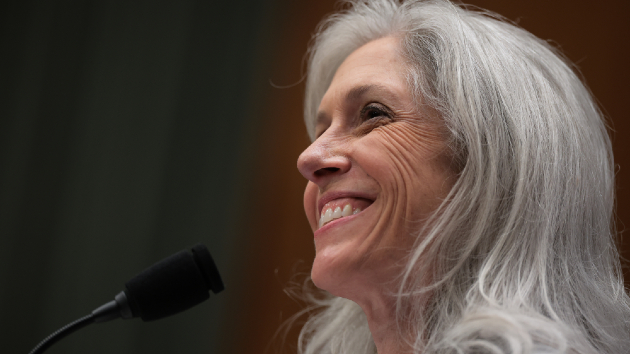
(WASHINGTON) — As Republicans work to pass President Donald Trump’s reconciliation bill by his July 4 deadline, many are worried about the changes that could be coming to Medicaid.

Medicaid is a joint federal and state health insurance program for disabled and low-income Americans. The Centers for Medicare & Medicaid Services works with state programs to administer Medicaid, which enrolls more than 71.2 million people.

The original measure passed by the House made around $600 billion in cuts to Medicaid, which then faced deeper cuts in the Senate.

New estimates from the Congressional Budget Office project federal spending on Medicaid will be reduced by $1 trillion and that the current version of the bill in the Senate would increase the number of uninsured by 11.8 million by 2034.

The passage of the bill would go against Trump’s repeated promises to keep Medicaid intact.

Health policy experts and health care workers say sharp Medicaid cuts could result in vulnerable Americans no longer being able to receive care, either by losing coverage or by closing the centers that provide such care.

Work requirements could result in lost coverage

The bill imposes new 80-hour per month work requirements on able-bodied Medicaid recipients aged 19 to 64 who don’t have dependents. These requirements include working or other approved activities, such as volunteering.

There are exemptions for parents or guardians of children under age 14 and those with disabilities. Under the bill’s current text, these work requirements won’t kick in until 2026.

An analysis published last week from the UC Berkley Labor Center found that work requirements could have a devastating impact on older Americans, between ages 50 and 64.

Nari Rhee, director of the Retirement Security Program at the UC Berkeley Labor Center and author of the analysis, told ABC News that after age 50, employment becomes increasingly difficult.

For instance, many older workers become physically unable to continue employment until they reach retirement age.

“Most people hope and plan to retire at something like age 65, but life happens and quite often what happens is people start having health issues,” Rhee said. “If you’ve had blue collar work or manual work, often you started working probably in your late teens. And so, by the time you get into your 50s, your late 50s, your body is just really worn out, and you’re not no longer able to work the kinds of jobs that you used to do.”

She added that some older workers who are physically unable to do the jobs they used to do or who were laid off have a hard time finding employment again due to age discrimination.

Additionally, many older adults are responsible for caring for family members including spouses and parents, which may mean leaving the workplace entirely.

“In practical terms, there are all kinds of legitimate reasons why, especially older adults, might not be able to meet the work requirements in terms of actually putting in the number of hours, and that’s before we even get to all the administrative issues,” Rhee said. “Even if you do work, you might not be able to navigate the red tape.”

AARP, an interest group that focusing on issues affecting those 50 and older in the U.S., sent a letter over the weekend to Sen. Majority Leader John Thune and Sen. Minority Leader Chuck Schumer expressing opposition to a provision that would disqualify people who fail to meet Medicaid work requirements from receiving Affordable Care Act premium tax credits.

“This creates a steep coverage cliff for those in their 50s and early 60s — particularly for those nearing retirement or working part-time — who may be left with no affordable coverage option at all.”

Risk of rural hospitals, health centers closing

Jennifer Mensik Kennedy, president of the American Nurse Association, said cuts to Medicaid could force rural hospitals and community health centers to close.

Although Senate Republicans have proposed a $25 billion rural health stabilization fund due to cuts to the Medicaid provider tax, it is unclear if that will be enough to prevent hospitals from closing.

Many rural health care centers receive revenue from patients covered by Medicaid and losing that revenue could be costly.

“These hospitals have been on the verge of tight finances for years, and this could be enough to shut them down,” Mensik Kennedy told ABC News. “If we have cuts to Medicaid, we’re going to see these hospitals start to shutter their doors, and people are going to have to drive three, four, hours to deliver a baby, to go have emergency care to get seen, and that’s got to be unacceptable to everyone.”

Arnulfo De La Cruz, president of SEIU 2015, the nation’s largest long-term care union and California’s largest labor union, concurred, saying cuts to Medicaid would impact states’ ability to provide health coverage and long-term care, particularly for rural and low-income Americans.

“Any cuts to Medicaid, the impact in California would be devastating … Medicaid is really the core of how the long-term care system is structured and funded,” he told ABC News. “Medicaid helps to fund clinics, hospitals, nursing homes, home care — it’s all connected as part of our health delivery system. If you were to dismantle or cut to the extent that they’re talking about, I think you see clinics close, you see hospitals close, you see nursing homes close.”

He went on, “I think it would have a devastating impact on the ability for rural Californians and low-income Californians to be able to access their health care, thereby becoming sicker and having to look to much more high-cost alternatives.”

Copyright © 2025, ABC Audio. All rights reserved.
Climate change is making it harder for us to sleep: Study

Climate change is making it harder for us to sleep: Study
Roberto Machado Noa/LightRocket via Getty Images

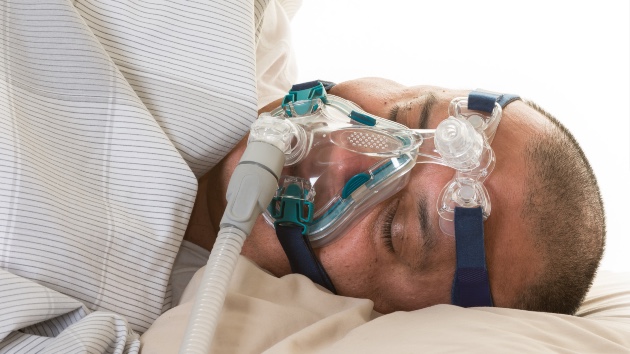
(NEW YORK) — Rising temperatures, amplified by climate change, are contributing to an increase in cases of sleep apnea, a condition in which breathing repeatedly stops during sleep, according to a new study published in the journal Nature Communications.

“If temperature keeps rising the way they project it to, the burden and prevalence of sleep apnea may double, increasing by 20-100%, depending on greenhouse gas emission reduction,” Bastien Lechat, the study’s author and a senior research fellow at Flinders University in Australia, told ABC News.

Obstructive sleep apnea, or OSA, affects about 1 billion people globally, and 80% of people who have it are unaware and untreated, according to the American Medical Association. Common symptoms of OSA include loud snoring, daytime tiredness, high blood pressure and headaches upon waking, even if “sleeping” eight hours, according to the Mayo Clinic.

OSA has been linked to an increased risk of heart disease, stroke, dementia, diabetes and depression. People with OSA also have two times greater risk of getting in a car accident, according to Lechat.

The study followed over 115,000 people from numerous countries for up to two years, measuring their sleep quality with below-the-mattress sleep monitors and then cross-referencing this information with weather data to evaluate the relationship between temperature and OSA.

When comparing 80-degree Fahrenheit days to days in the 40s, there was a 40 to 45% increase in the frequency or severity of sleep apnea. The risk was even higher for males and individuals who normally sleep longer or have higher body weight.

Extreme heat can exacerbate OSA by making it even harder to sleep, the study noted. Higher temperatures can disrupt the body’s ability to cool down during the night, which interferes with the natural sleep cycle. This can lead to more frequent awakenings, shallower sleep and worsened airway instability, resulting in more apnea events.

Using existing health-economic models, the researchers estimated over 788,000 healthy years of life were lost or disabled in 2023 due to temperature-related increases in OSA, equivalent to a loss of approximately $68 billion, according to the models.

“When you look at the rate of years of life lost per 100,000 people, this is similar to a disorder like Parkinson’s disease, or bipolar disorder, or similar to low physical activity as a risk factor, so it’s a significant burden,” Lechat told ABC News.

Lechat said that increased access to air conditioning and better diagnosis and treatment of OSA could offset some of the increases caused by climate change.

As our planet warms, heat waves are becoming increasingly more common, having doubled in major U.S. cities since the 1980s, according to the federal government’s Fifth National Climate Assessment.

Overnight low temperatures are rising nearly twice as fast as afternoon highs, and this lack of relief during the night poses a significant health risk — particularly for those without access to air conditioning, according to the assessment.

Copyright © 2025, ABC Audio. All rights reserved.
CDC vaccine advisory committee recommends against flu vaccines containing thimerosal

CDC vaccine advisory committee recommends against flu vaccines containing thimerosal
Kayla Bartkowski/Getty Images

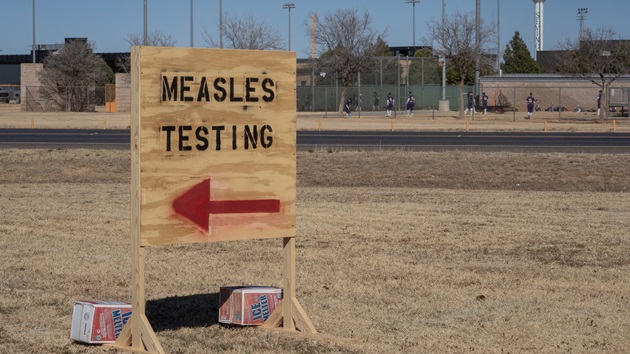
(WASHINGTON) — The Advisory Committee on Immunization Practices (ACIP), made up of members recently hand-selected by Health and Human Services Secretary Robert F. Kennedy Jr., voted 5-1 on Thursday to recommend against flu vaccines containing the preservative thimerosal.

One committee member, Vicky Pebsworth, abstained on each vote.

A few moments before, the CDC’s vaccine advisory committee voted 6-0 to recommend all Americans aged 6 months and older receive an annual influenza vaccine.

This is a developing story. Please check back for updates.

Copyright © 2025, ABC Audio. All rights reserved.