

New York Gov. Hochul calls for ‘transparent, independent review’ of Cornell response to alleged group rape

New York Gov. Hochul calls for ‘transparent, independent review’ of Cornell response to alleged group rape
This photo shows the former Chi Phi fraternity house in Ithaca, where a former Cornell University student alleges that she was drugged and gang-raped in 2024. (ABC News)

(NEW YORK) — New York Gov. Kathy Hochul on Tuesday called for an outside investigation into Cornell University’s campus culture and its response to allegations by an unidentified female former student that she was raped by several men at a fraternity there in 2024.

The governor said in part that she is seeking to determine whether “Cornell met every obligation to protect its students and pursue justice.”

“The allegations in this case are nothing short of horrifying. For any student to come forward after an experience like this takes extraordinary courage,” Hochul said in her statement.

“I support the district attorney’s decision to reopen the criminal investigation. But there are also serious questions about Cornell’s campus culture and its systems for prevention, reporting, and response,” Hochul’s statement continued. “That is why I am calling for outside counsel to conduct a transparent, independent review of the university’s response to determine whether Cornell met every obligation to protect its students and pursue justice.”

“No student should ever be left wondering whether the institutions meant to protect them will listen and act,” the statement also said.

“Cornell shares Governor Hochul’s commitment to addressing campus culture issues, which affect universities across the nation and New York. We are committed to continuing to work with state officials to advance student safety and wellbeing,” a Cornell spokesperson said in a statement provided to ABC News.

Prosecutors in central New York this week announced that they are reopening the investigation of the alleged sexual assault after a former Cornell student filed a civil lawsuit alleging that she was drugged, assaulted and gang raped by seven former and current members of the Chi Phi fraternity at Cornell, sparking outrage about the incident. 

Tompkins County District Attorney Matthew Van Houten said in a statement that his office is considering whether to bring criminal charges related to the incident, though he said the allegations in the civil complaint are “dramatically different” than the woman’s statement to police two years ago.

In an interview with ABC News, Van Houten acknowledged that he relied on the investigation conducted by Cornell Police and said his office didn’t “independently investigate” the allegations.

Ithaca Mayor Robert Cantelmo said on Monday that he would issue a directive for the city to stop issuing permits for student events at Cornell “until such time that the University conducts an accounting of its protocols to prevent and prosecute crimes of sexual violence and publicly releases new standards and practices to keep our community safe.” 

“Despite the severity of these crimes, Cornell University administrators and police failed to contact or coordinate any response with the Ithaca Police Department. Furthermore, the University failed to hold the perpetrators to account,” Cantelmo’s statement said. “This is a miscarriage of justice and continues to pose a significant threat to students and residents who may be victimized at unsafe and under-monitored on- or off-campus student events.”

Ithaca’s Common Council would have to adopt the resolution for it to take effect.

The Ithaca Police Department said in a statement Monday that the alleged incident wasn’t reported to them at the time and that they “learned of these allegations recently through the media.”

“We understand these allegations are being taken very seriously by Cornell University and the Tomkins County District Attorney’s Office,” the statement further said. “We encourage members of our community to report allegations to the Ithaca Police Department.”

Copyright © 2026, ABC Audio. All rights reserved.
Alcohol, motorcycles: Which Canadian products are banned by the US?

Alcohol, motorcycles: Which Canadian products are banned by the US?
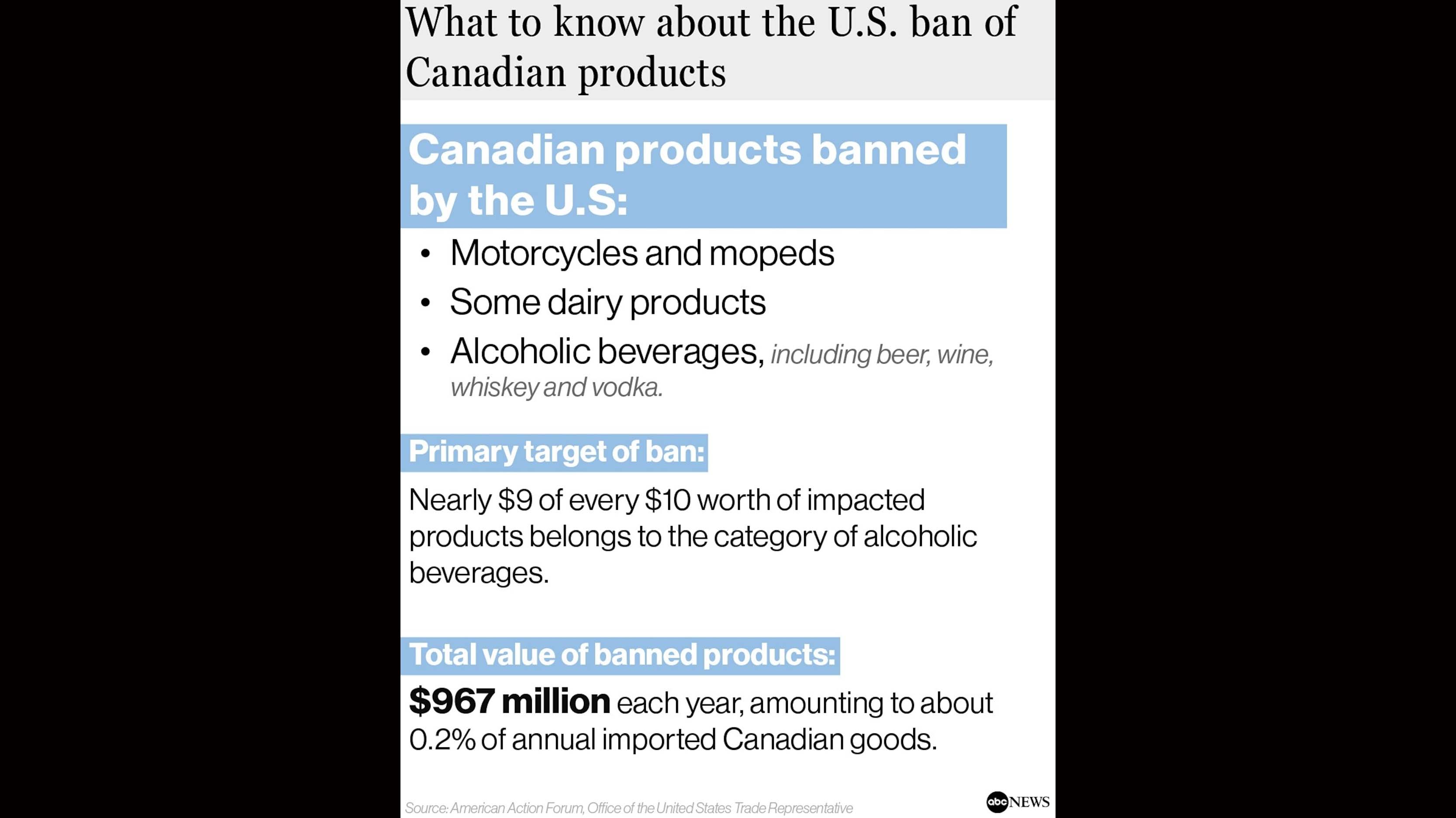
What to know about the U.S. ban of Canadian products. (American Action Forum Office of the United States Trade Representative.)

(WASHINGTON) A United States ban of hundreds of millions of dollars worth of Canadian products took effect on Tuesday, escalating a trade war between the longtime allies and pinching imports from one of the top U.S. trade partners.

The ban applies to an array of products spanning from alcohol to motorcycles to dairy goods, White House documents show.

In all, the affected products account for $967 million worth of annual imports from Canada, Jacob Jensen, director of trade policy at the right-leaning American Action Forum, said in a blog post.

Nearly $9 of every $10 worth of impacted products belongs to the category of alcoholic beverages, making them the primary target of the ban, Jensen said. The move comes after some Canadian provinces pulled U.S.-made alcohol off of liquor store shelves, crimping sales for American producers.

The list of banned alcoholic products includes beer, wine, whiskey, vodka, rum and brandy.

The policy also bars some mopeds and motorcycles, as well as some food items featuring whey, a popular protein-rich additive derived from dairy. Molasses and non-alcoholic beer also stand among the banned imports.

Still, the U.S. ban applies to a small fraction of U.S. imports from Canada. The U.S. imported roughly $381 billion worth of goods in 2025, the Office of the United States Trade Representative found, meaning the ban covers 0.2% of Canadian products shipped to the U.S.

The Toasts Not Tariffs Coalition — a trade group representing farmers, retailers and other members of the U.S. alcohol supply chain — issued a statement on Tuesday criticizing the ban.

“We appreciate the Trump administration’s commitment to encouraging Canada to reopen its market to American spirits and wine products,” the organization told ABC News.

“However, as this ban on Canadian spirits and wines takes effect today, America’s restaurants, bars, retailers and consumers are being pulled further into a trade dispute that has already taken a significant toll on U.S. wine and spirits producers,” the group added.

A tit-for-tat trade war erupted in August after official negotiations collapsed and a fresh round of U.S. levies took hold. Within days, Canadian officials unveiled what they described as a set of matching tariffs.

Canada’s retaliatory measure, which took effect earlier this month, targets about $20 billion worth of U.S. products, mirroring the size of the U.S. levies.

The goods impacted by both countries’ levies total about 4.5% of annual trade between the U.S. and Canada, the Office of the United States Trade Representative said. For now, levies apply to a sliver of goods that travel between the U.S. and Canada, limiting the impact of the trade dispute.

Trump has carried out on-again, off-again trade negotiations with Canada since he took office, aiming to resolve a dispute that began with tariffs announced by Trump early in his second term.

Trump has repeatedly claimed Canada takes advantage of its proximity to the large U.S. consumer market, while preventing many U.S. sellers from reaching Canadian shoppers.

“On Trade, and in other ways, also, they are among the worst Nations in the World to deal with,” Trump said on his social media platform in August. “They feel entitled, and yet, WE DON’T NEED CANADA, THEY NEED US!”

Canadian Prime Minister Mark Carney has criticized fresh U.S. tariffs as a pressure campaign that disadvantages Canadian exporters, describing retaliatory levies as an effort to protect Canada’s economy.

“I don’t believe in escalating the conflict. That’s not constructive, but our tariffs are necessary to protect our workers, protect our companies and our communities. We can’t let American goods into Canada tariff-free while they charge our companies to export,” Carney said in a video message posted earlier this month.

Copyright © 2026, ABC Audio. All rights reserved.
18-year-old in ICE detention for more than 200 days: ‘They just took me away’

18-year-old in ICE detention for more than 200 days: ‘They just took me away’
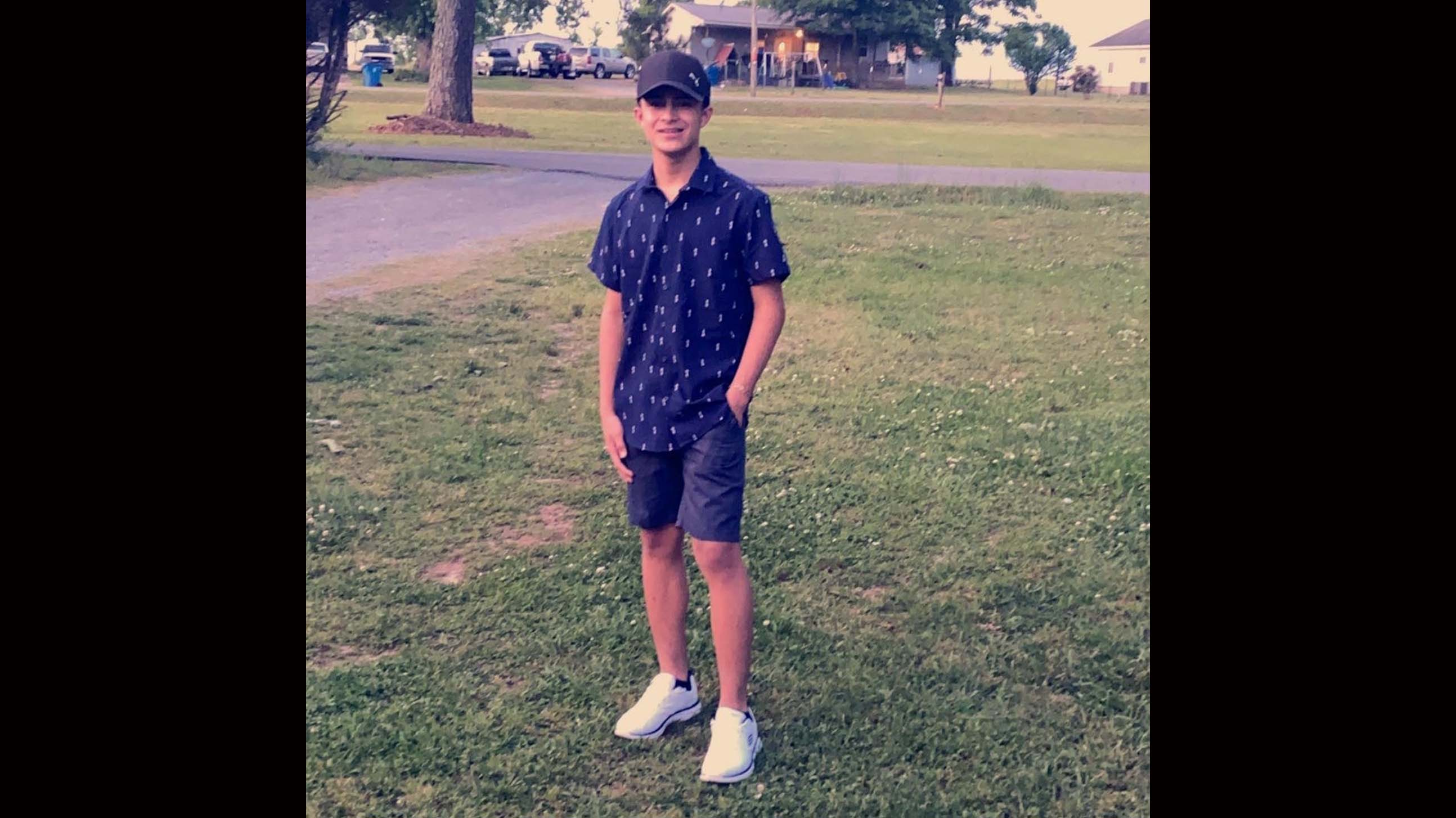
Elder Chavez Carranza, seen here in this undated family photo, said he was stopped by a police officer while on his way to buy a torta, questioned about his identification and immigration status, and later taken into ICE custody. (Maryuri Chavez Carranza)

(WASHINGTON) — Elder Chavez Carranza believed his last year of high school would consist of preparations for his graduation, prom and planning for his future.

Instead, the 18-year-old has spent more than 200 days in an immigration detention center in Louisiana, hundreds of miles from his home in Albertville, Alabama.

Chavez Carranza who is from Copan, Honduras, entered the U.S. when he was 14 and was later granted Special Immigrant Juvenile classification when he was a minor, a designation for certain immigrant children who have been abused, abandoned or neglected that provides humanitarian protection, his lawyer said.

According to immigration lawyers, the primary benefit of SIJS is that it provides eligible youth under 21 a pathway to obtain a green card. Historically, immigration authorities exercised prosecutorial discretion to avoid arresting or deporting individuals with pending or approved SIJS applications.

The 18-year-old said he was on his way to buy food when a police officer stopped him and began asking about his identification and immigration papers. After explaining to the officer that he did not have documents with him, he said the officer contacted immigration authorities.

“I was going to buy a torta when the officer stopped me. He first asked me for my ID and whether I had papers. I told him, ‘no.’ Then he called ICE. They asked me what kind of papers I had, and I told them I had status. But they didn’t even give me time to show them my papers. They just took me away,” Chavez Carranza told ABC News from detention.

Dalaney Mecham, Chavez Carranza’s immigration attorney, said he had already been granted SIJ classification by USCIS but that a separate deferred-action application, which could allow him to remain in the U.S while pursuing the next steps in his immigration case, has not been resolved.

“The federal government has already decided that he deserves protection; Congress decided that children like him deserve protection; and USCIS has already looked at his application and approved it,” Mecham said. “The only thing standing between him and that protection while he waits for his lawful process to continue is the very same government that created this pathway.”

A spokesperson for the Department of Homeland Security told ABC News that “Chavez-Carranza will remain in ICE custody pending his immigration proceedings.”

“He will receive full due process,” DHS added. “Being in detention is a choice. We encourage all illegal aliens to take control of their departure with the CBP Home App.”

For the past nine months, Chavez Carranza has been at the Winn Correctional Center in Louisiana, separated from his family, friends and school.

His sister, Maryuri Chavez Carranza, who is his legal guardian, says he calls her every day.

“He tells me, ‘I really miss my teachers. I miss my friends. I miss everything about school,'” Maryuri told ABC News.

Immigration advocate Angela Del Valle says she became involved in Chavez Carranza’s case after her husband, Carlos, was detained at the same facility and met the 18-year-old there.

Del Valle says she began communicating with his sister and helping the family navigate the detention process. She now speaks with Chavez Carranza regularly and is among the advocates pushing for his release.

“Above all, we want him to know that he’s not forgotten,” Del Valle said. “We also want the community there at Winn to know that he’s cared for, that he’s not forgotten.”

Advocates and lawmakers have raised concerns about the conditions of the facility where Chavez Carranza is detained. In less than two months, two detainees have died at Winn. DHS has said in statements that the deaths are under investigation and has defended its treatment of detainees in detention centers.

The 18-year -old is one of thousands of people who have been in prolonged detention after being detained by federal immigration authorities, ABC News has reported.

Chavez Carranza said that when he first arrived at Winn, he did not feel comfortable. Over time, he said he began forming friendships with other detainees, including Carlos, who he said was one of the first people he met.

“I do feel protected with them,” he said. “They are older people, and they always look out for me.”

In detention, the 18-year-old works at the facility unloading trucks. He said that for now, he is focused on finding the strength to get through each day in detention.

“What I ask for most right now, while I’m here, is for God to give me strength so I can keep enduring this confinement. It’s very difficult here,” he said.

Copyright © 2026, ABC Audio. All rights reserved.

Pro-Trump ad campaign was financed by DHS: Sources

Pro-Trump ad campaign was financed by DHS: Sources
An ad that ran Sunday on NBC’s “Meet the Press” shows President Donald Trump at a speech at Mt. Rushmore on America’s 250th anniversary. (U.S. Government)

(WASHINGTON) — The Trump administration used funds from the Department of Homeland Security to air TV ads featuring President Donald Trump in recent days, according to sources familiar with the matter. 

The money was moved into a U.S. Customs and Border Protection (CBP) account for “commemorative events” on Sept. 19, and federal contract data shows that a contract of $20 million was awarded the next day to the LMD Agency, a Maryland-based advertising agency for a “National Media Campaign.” Days later, the ads began airing.

CBP is the the agency within DHS that is responsible for securing the nation’s border and ports of entry. The funds appear to have been drawn from Trump’s signature tax and spending bill passed in 2025. The bill provided $6.2 billion for a variety of border security improvements, but also for “commemorating efforts and events related to border security.”

LMD Agency did not immediately respond to ABC’s request for comment. The Wall Street Journal first reported the source of the federal funds. 

DHS has been known to use funds for advertising campaigns, including spending millions of advertisements encouraging people who are in the country illegally to self-deport. 

The federal government has spent at least $1.7 million to air three different TV ads featuring Trump in recent days, according to an estimate from AdImpact, which tracks and analyzes political ad spending across TV, digital and connected TV channels.

DHS directed inquires to the White House. In a statement to ABC News, a White House spokesperson said: “These public service announcements are about reminding Americans to love their country and understand what makes it worth defending, at home, at our borders, and abroad. The ad is educational and unapologetically patriotic. We should be proud of our country.” 

Democrats on the Senate Appropriations Committee responded by sending a letter to Homeland Security Secretary Markwayne Mullin demanding he answer questions about the breakdown of the funds, whether the ads are expected to continue, and DHS’s role in facilitating their airing.

“The American people deserve answers about how this president is literally stealing their tax dollars to air campaign ads celebrating himself — while doing nothing to help them afford health care or housing,” the letter says. 

Copyright © 2026, ABC Audio. All rights reserved.
Another Trump loyalist helping lead probe into Trump investigations resigns

Another Trump loyalist helping lead probe into Trump investigations resigns
In this June 21, 2022, file photo, the Robert F. Kennedy Building, the Department of Justice (DOJ) headquarters is shown in Washington, D.C. (STOCK IMAGE/Getty Images)

(WASHINGTON) — Another top Trump loyalist tasked to help lead a controversial conspiracy probe targeting President Trump’s political foes has resigned from the Justice Department, sources familiar with the matter confirmed to ABC News. 

The resignation of Kurt Olsen, a 2020 election denier who was assigned to the so-called “grand conspiracy” probe in Southern Florida earlier this year, comes just weeks after Trump ally Joe diGenova similarly announced his departure after suggesting to the New York Post that he was being pressured by DOJ leadership to bring charges without supporting evidence. 

Olsen had no prior prosecutorial experience and was deeply involved in litigation surrounding President Trump’s efforts to challenge his 2020 election loss. 

Olsen could not immediately be reached for comment. A DOJ spokesperson declined to comment to ABC News. 

Other line prosecutors on the investigation are also said to have departed the U.S. attorney’s office in South Florida in recent days, sources said, though one source said that those officials had only been temporarily assigned to the office on a detail basis and that their terms had expired.

Additional attorneys were recently been added to assist in the conspiracy probe in recent weeks, that source said. 

The investigation, as detailed by Justice Department officials and other allies of the White House, purports to be examining intelligence officials and others who investigated President Trump and his inner circle dating back to his 2016 presidential campaign, up to the criminal probes he faced after leaving office in 2021. Trump has denied all charges.

The novel theory underpinning the probe has been a source of skepticism by current and former federal prosecutors, who have questioned the premise of charging Trump’s foes under a civil rights statute known as “deprivation of rights under color of law,” sources have said.

Several subjects of the investigation, including former CIA Director John Brennan, have been subpoenaed in recent weeks to testify before a grand jury in South Florida, according to attorneys.

Copyright © 2026, ABC Audio. All rights reserved.
Trump celebrates Senate passage of legislation to overhaul college sports

Trump celebrates Senate passage of legislation to overhaul college sports
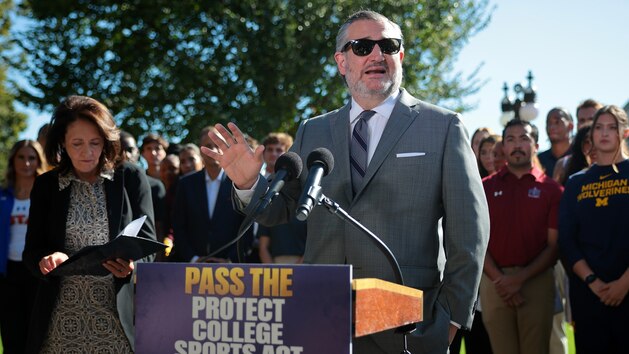
Senate Committee on Commerce, Science & Transportation Chairman Ted Cruz and ranking member Sen. Maria Cantwell hold a news conference with NCAA athletes and coaches about the Protect College Sports Act, Sept. 14, 2026, in Washington, D.C. (Chip Somodevilla/Getty Images)

(WASHINGTON) — President Donald Trump celebrated the Senate’s passage of the Protect College Sports Act, saying that the legislation will “save college sports” and is a “really big deal.”

“This is a really big deal. It will not only save college sports, it will save the colleges themselves,” Trump wrote in a Monday night social media post.

Trump has long been an advocate for this legislation and said in August that he would sign the bill “immediately” if it came across his desk — urging both the House and Senate to advance it.

On Monday night, the Senate passed the act with a vote of 77-22, bringing a massive restructuring of college athletics one step closer.

The legislation establishes a federal framework for college athletics to create one set system over the current patchwork of differing state rules. It creates one rulebook on how athletes can earn money from their name, image and likeness (NIL) and puts a cap on the amount of money schools can directly share with their athletes. 

But it’s not just about money. The bill also deals with transfers, eligibility and media rights. Athletes can transfer to another school one time without losing a year of eligibility and student-athletes are given five years of eligibility with exceptions for certain circumstances such as a serious injury. The legislation also gives colleges the ability to negotiate broadcasting agreements collectively to give them more control over how their games are marketed and distributed. 

Supporters of the bill say that it will add much-needed stability to the world of college athletics that has rapidly changed in recent years due to increasing NIL deals and frequent transfers. Senators — including Sen. Ted Cruz — argue that creating one national set of rules will reduce uncertainty and establish clear guidelines for compensation, eligibility and media rights.

“This bill puts an end to the chaos plaguing college athletics. It protects NIL opportunities because student athletes deserve the opportunity to benefit from their talent, without being taken advantage of by unscrupulous agents and backdoor deals, it creates clear, enforceable rules for eligibility and transfers. It protects our traditions and rivalries,” Cruz said on the Senate floor ahead of Monday’s vote.

While the bill received bipartisan support in the Senate on Monday, there were still concerns from many senators, largely around the amount of leverage the bill gives to the NCAA. The NCAA will now be in charge of overseeing school compliance on certain portions of the bill while also being granted immunity from federal antitrust lawsuits when enforcing its rules.

Democratic Sen. Chris Murphy, one of the bill’s opponents, argued that the legislation could give the NCAA greater legal protection and authority without giving athletes an equivalent role in negotiating the rules that govern them. 

“You don’t need a bill of this sweeping scope to address what are a set of minor but important practices in college athletics that have gotten out of control. We could have either passed a very narrow bill here to address the agent issue and the transfer issue, or we could have done what happens in most industries, which is just say to the NCAA and to the colleges, tough luck. Congress isn’t going to come in here and micromanage your relationship with the athletes. If you want to work something out, sit down and talk to the athletes about it,” Murphy said.

On Monday night, the NCAA thanked the senators who supported the legislation and looked ahead to the next hurdle: House passage.

“The NCAA thanks the many senators who sponsored this bill — including Senators Cruz, Cantwell, Schmitt and Coons — as well as the many other senators who voted for the bill, for their bipartisan effort to protect this uniquely American tradition of college sports in the decades to come,” the NCAA wrote in a social media post. “Now the bill moves to the U.S. House of Representatives and there is much work left to do to ensure student-athlete benefits are codified into federal law and future generations of young people can access those benefits and use college sports as the launching point for their careers.”

The bipartisan piece of legislation still faces obstacles in the House.

The Congressional Black Caucus has come out against the bill because they believe it doesn’t include strong enough protections and economic opportunities for Black athletes. Additionally, some conservative House members have expressed criticism for similar legislation, arguing the government is trying to have too much oversight over college sports.

The House remains out of session for their midterm recess and it is unlikely that they will be called back to Washington early to consider the legislation. 

So while the legislation is now in the red zone, it’s going to take more than a “tush push” to get it into the end zone and onto the president’s desk.

Copyright © 2026, ABC Audio. All rights reserved.
‘The Love Hypothesis’ getting book sequel, film adaptation in works from Amazon MGM Studios

‘The Love Hypothesis’ getting book sequel, film adaptation in works from Amazon MGM Studios
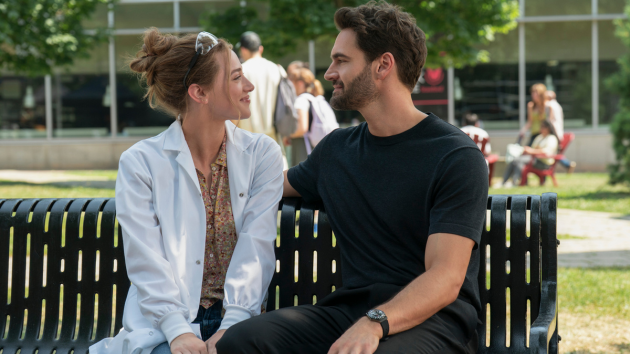
Lili Reinhart and Tom Bateman star in ‘The Love Hypothesis.’ (Philippe Bossé/Prime Video)

Adam and Olive may no longer be fake dating, but they are coming back for more.

The Love Hypothesis author Ali Hazelwood has announced the upcoming release of a sequel to the popular novel, called The Two-Body Problem. The new book will release on Feb. 2, 2027. The writer made the announcement in a social media post Tuesday.

“‘I wrote a sequel to The Love Hypothesis’ is not a sentence I thought I’d say a year or so ago, but now I weirdly can’t imagine a world in which The Two-Body Problem doesn’t exist. I’m really eager to talk more about this book and how it came about in the next few months,” Hazelwood wrote. “For now let me just say that the TLH movie and its cast made me fall for Adam and Olive all over again, that revisiting them was an absolute pleasure.”

The announcement comes amid the recent release of The Love Hypothesis film adaptation. It debuted on Prime Video Sept. 23. Claire Scanlon directed the film that stars Lili Reinhart and Tom Bateman.

Additionally, Hazelwood confirmed that MRC is developing a sequel film based on The Two-Body Problem for Amazon MGM Studios, though she said “nothing is guaranteed.”

“As someone who gets VERY attached to stories and characters, I know that unannounced sequels can be blindsiding, so feel free to skip this book and overwrite it with whatever headcanon you prefer, and I’ll see you on the next one!” Hazelwood wrote.

She continued her announcement post by teasing what fans can expect from the upcoming sequel.

“If you want to read more about Adam and Olive, The Two-Body Problem spans a couple of years, and it’s a mix of slice of life, postdoctoral turmoil, and unflinching exploration of the hardest challenge one will face in a long-term relationship: deciding what to have for dinner. If you pick it up, I really hope you enjoy,” Hazelwood wrote.

The Love Hypothesis follows a fake relationship between biology PhD candidate Olive Smith and hotshot professor Dr. Adam Carlsen. Through their time together, “each of their carefully calculated theories on love are thrown into chaos,” according to an official description from Amazon MGM Studios.

Copyright © 2026, ABC Audio. All rights reserved.

X2 roller coaster shut down at Six Flags Magic Mountain amid lawsuits

X2 roller coaster shut down at Six Flags Magic Mountain amid lawsuits
Six Flags Magic Mountain on March 6, 2026, in Valencia, California. (Justin Sullivan/Getty Images)

(NEW YORK) — The X2 rollercoaster, which is the subject of multiple lawsuits, has been shut down, the president of Six Flags Magic Mountain announced Tuesday.

“After almost 20 years, we have decided to permanently retire X2,” Six Flags Magic Mountain President Brian Oerding said in a statement posted on the Six Flags blog.

“While X2 consistently passed a multitude of safety tests, we have decided to close the ride because we believe it’s the right thing to do. Ride safety is a cornerstone of our business, and when we see guest confidence affected, we take it seriously,” Oerding said.

Lawsuits allege riders suffered major brain injuries after riding the X2 roller coaster. Attorneys representing the plaintiffs say more than 100 people have come forward.

X2 has been closed since July 12 and will now stay closed.

The lawsuits allege the ride had design problems dating back to when the ride first opened in 2002, originally called X.

According to court documents, Pamela Guillen and her family visited Six Flags Magic Mountain in July of this year for her daughter’s 16th birthday. Guillen said X2 was the family’s final ride of the day.

After exiting the ride, Guillen said she felt confused and disoriented. Her next memory was waking up in a hospital two weeks later and learning from her family that she had undergone emergency brain surgery.

“I was confused and disoriented, and I remember seeing the fear in my daughter’s eyes and how scared she was,” Guillen recalled. “Everything went blank. My next memory is waking up in the hospital about two weeks later.”

Guillen is one of three people who recently filed lawsuits against Six Flags Magic Mountain alleging they suffered major brain injuries after riding X2.

“I had suffered a traumatic brain injury and needed emergency brain surgery to stop the bleeding and had to be intubated. I was in a coma. I spent almost a month at the hospital,” Guillen said.

Another plaintiff, Michael Wick, visited the park with his family and rode X2. Wick’s attorney said he has undergone two brain surgeries and is now unable to practice law because of a disability.

Six days after Guillen collapsed while exiting X2, Naomi Greer-Wilkinson rode the coaster. Her parents said they are still waiting for her to begin breathing on her own.

“Naomi, 25 years old, still hasn’t come home. Her parents, Artemis and Josh, are with her every single day and wonder when she’s going to be able to breathe on her own again,” said Christopher Bulone, a partner with Dordick Law.

“Magic Mountain, as a business, seems to think that it’s OK that if people voluntarily choose to ride a roller coaster, then they’ve assumed the risk. No! They don’t assume a risk of death or catastrophic brain damage for some family fun,” said Gary Dordick, owner of Dordick Law.

Magic Mountain has previously settled a wrongful death lawsuit filed by the family of Christopher Hawley. That lawsuit alleged Hawley died after riding X2 in 2022.

Copyright © 2026, ABC Audio. All rights reserved.
ABC News’ Will Reeve reveals testicular cancer diagnosis, chemotherapy treatment

ABC News’ Will Reeve reveals testicular cancer diagnosis, chemotherapy treatment
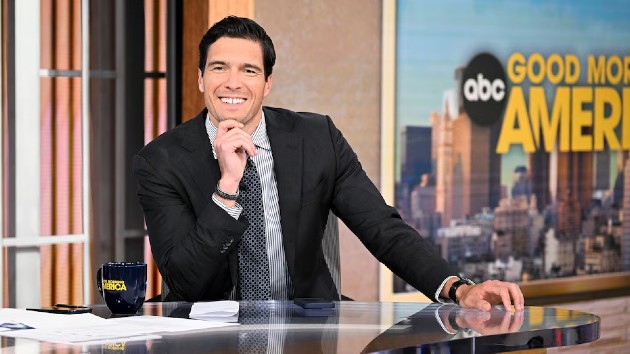
ABC News’ Will Reeve is seen on the set of ‘Good Morning America’ on June 9, 2026, on ABC. (Paula Lobo/ABC via Getty Images)

ABC News’ correspondent Will Reeve is opening up for the first time about receiving a cancer diagnosis just months after getting married.

Reeve, a New York-based correspondent, reporting for ABC News platforms and shows including Good Morning America, said on Tuesday that he was diagnosed in April with testicular cancer, a cancer that develops in the tissues of one or both testicles, according to the National Institutes of Health’s National Library of Medicine.

Reeve, 34, said his wife, Amanda Dubin Reeve, whom he wed in January, encouraged him to get evaluated by a doctor in April after he noticed a lump in his left testicle.

An ultrasound discovered a mass in his testicle, requiring Reeve to undergo a procedure known as orchiectomy to remove his testicle.

The surgery in early May led to a diagnosis of testicular cancer, according to Reeve. He said he was diagnosed with embryonal carcinoma, an aggressive form of testicular cancer that is typically found in young to middle-aged individuals.

Following the diagnosis, Reeve said he underwent a second surgery, a retroperitoneal lymph node dissection, in June to remove dozens of lymph nodes to help prevent the cancer from spreading.

Because some of the lymph nodes removed during the six-hour procedure were cancerous, Reeve said he chose to undergo two cycles of chemotherapy to lower the odds of the cancer returning to nearly 1%.

In early July, Reeve began chemotherapy.

During his two weeks of recovery between his chemotherapy treatments, Reeve said he experienced side effects including bone pain, ringing ears, night sweats, blood clots and headaches.

At the end of July, Reeve was able to ring the bell at Memorial Sloan Kettering Cancer Center in New York City to signify the successful end of his treatment.

He said he did so with the thought of his late mom, Dana Reeve, who also underwent chemotherapy at Sloan Kettering. Dana Reeve died of lung cancer at age 44 in March 2006.

Will Reeve said he is sharing his own cancer diagnosis to help raise awareness of testicular cancer.

“I want folks to know that this is a thing that can happen. It’s shocking. It’s weird,” he said. “It’s slightly awkward to talk about just because of what we’re really discussing here, but that you end up OK, almost always.”

Tune in to Good Morning America this Wednesday and Thursday from 7 a.m. to 9 a.m. ET on ABC to hear Will Reeve share more about his cancer battle, as well as input from a doctor and other cancer patients.

Copyright © 2026, ABC Audio. All rights reserved.

Dylan Sprouse and Barbara Palvin welcome their 1st baby together

Dylan Sprouse and Barbara Palvin welcome their 1st baby together
Barbara Sprouse and Dylan Sprouse attend the Grand Dîner du Louvre at Musee du Louvre on March 3, 2026 in Paris, France. (Aurore Marechal/Getty Images)

Dylan Sprouse and Barbara Palvin have entered their parent era.

The couple announced in an Instagram post on Monday that they welcomed their first baby together on Labor Day.

“We took Labor Day literally this year,” Palvin wrote in the caption of a joint post with Sprouse.

In the photo, the couple wears Dodgers jerseys and face a TV screen as a Dodger game plays. In Sprouse’s arms is their baby, who is also wearing a Dodgers shirt.

ABC News has reached out to a representative for Palvin and Sprouse for comment.

A rep for Palvin confirmed to ABC News in May that she and Sprouse were expecting.

The duo had shared an Instagram post about the news with a sonogram image showing a tiny hand making a rock ‘n’ roll hand gesture.

Sprouse and Palvin were married on July 15, 2023, in Palvin’s home country of Hungary.

In August, Sprouse appeared on Amanda Hirsch’s Not Skinny but Not Fat podcast and recalled how he met Palvin at a party where she had cut him in line for the red carpet.

He said the moment felt like a rom-com.

“I was like, ‘I don’t care how pretty you are, you’re not cutting me,'” Sprouse said. “And she turns around, and I’m wearing this red and white striped shirt, and she goes, ‘What, are you a hot dog vendor?'”

Last year, Palvin shared in an Instagram post that she’d had surgery for endometriosis.

“For some years now I’ve been dealing with the difficulties that can come with my periods. Fatigue, severe pain, heavy and irregular flow, sleepless nights on the bathroom floor. I thought this was just how it works for me,” she wrote at the time.

She continued, “[The surgery] helped me a lot, and I’m grateful I did it. Early diagnosis and treatment are very important to prevent long-term complications, and now I’m more mindful about my body to act fast if needed.”

Palvin ended the August post by saying she was “excited about this new chapter of my life and now ready to get back to work.”

Copyright © 2026, ABC Audio. All rights reserved.