
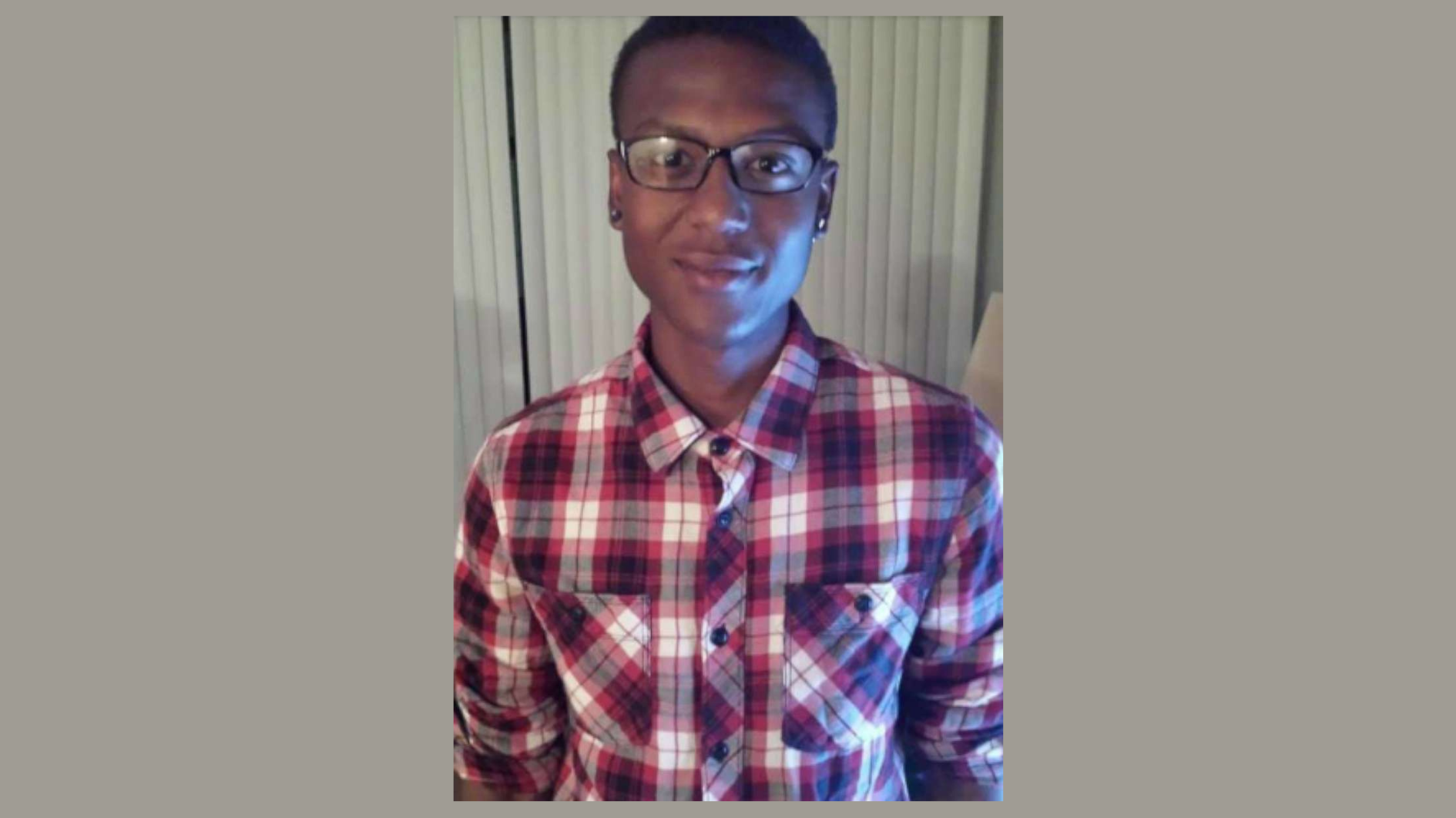
(NEW YORK) — The Colorado Court of Appeals reversed the convictions of two former Aurora paramedics, who were convicted in December 2023 of criminally negligent homicide in the 2019 death of Elijah McClain, a 23-year-old unarmed Black man who was walking home from a convenience store.
In reversing the convictions, the judge ruled on Thursday that the case should be sent back to the district court for a possible retrial.
McClain’s case gained national attention, particularly in the wake of the May 2020 killing of George Floyd, becoming one of the prominent cases that fueled Black Lives Matter protests across the country.
Sheneen McClain, Elijah McClain’s mother, reacted to the reversal of the convictions in a post on social media on Thursday, calling the move “corrupt and cowardly.”
“I am not surprised by the denial of true justice for American citizens in the hands of government branches who allow criminal behaviors in their police agencies,” she wrote. “They are corrupt and cowardly.”
ABC News has reached out to attorneys for the paramedics, Peter Cichuniec and Jeremy Cooper, for comment.
Colorado Attorney General Phil Weiser told ABC News in a statement that his office stands by its decision to charge the paramedics and “is committed to defending these convictions through the appeals. Justice demands it.”
ABC News reached out to Weiser’s office for further comment.
The charges
Cichuniec and Cooper were accused of administering an excessive amount of ketamine to sedate McClain after an encounter with police on Aug. 24, 2019.
Cichuniec and Cooper were found guilty of criminally negligent homicide on Dec. 23, 2023. Cichuniec was also convicted of assault in the second-degree via the unlawful administration of drugs. Cooper was acquitted of the assault charge in 2023, and they both pleaded not guilty at trial.
The appeals court ruling upheld Cichuniec’s assault conviction, but reversed the negligent homicide conviction.
Cooper was sentenced in 2024 to a four-year probationary sentence for negligent homicide. Meanwhile, Cichuniec was sentenced to five years in prison with a three-year period of parole for the assault charge and one year to be served concurrently on the negligent homicide charge.
Cichuniec and Cooper separately appealed their convictions.
In Thursday’s ruling, the appeals court agreed with Cooper’s defense team that the lower court “misled” jurors by failing to clarify the standard of care applicable to the charge of criminally negligent homicide after jurors asked the court for a definition.
“By telling the jurors to apply the ‘common and ordinary meanings’ of the words in the instruction, the court failed to shine any light on the issue and in fact misled the jurors as to the applicable standard of care: The proper standard wasn’t that of a generic reasonable person but of a person in Cooper’s profession under the existing circumstances,” the ruling reads.
The judge ruled that the reversal of Cooper’s conviction also applies to Cichuniec because they were both tried together in that case.
“The two were tried on identical theories of guilt and the evidence against them was, while not identical, sufficiently similar that we can’t conclude that the errors were harmless as to Cichuniec,” the ruling says.
What happened to Elijah McClain?
McClain was confronted by police while walking home from a convenience store after a 911 caller told authorities they had seen someone “sketchy” in the area.
McClain was unarmed and wearing a ski mask at the time. His family says he had anemia, a blood condition that can make people feel cold more easily.
When officers arrived on the scene, they told McClain they had a right to stop him because he was “being suspicious.”
In police body camera footage, McClain can be heard telling police he was going home, and that “I have a right to go where I am going.”
Officer Nathan Woodyard placed McClain in a carotid, or choke, hold and he and the other two officers on the scene moved McClain by force to the grass and restrained him.
When Cooper and Cichuniec arrived, McClain was given a shot of 500 milligrams of ketamine to sedate him and he was loaded into an ambulance where he had a heart attack, according to investigators.
McClain died on Aug. 30, 2019, three days after doctors pronounced him brain dead and he was removed from life support, officials said.
Former police officer Randy Roedema was found guilty of criminally negligent homicide and assault in the third degree in McClain’s death. He was sentenced to more than one year in the county jail in January.
Two other officers, Jason Rosenblatt and Woodyard, were found not guilty on charges of reckless manslaughter and criminally negligent homicide. Rosenblatt was also acquitted on charges of assault in the second degree.
Copyright © 2026, ABC Audio. All rights reserved.