A new image from the continuation of ‘Darkwing Duck.’ (Disney+)
Darkwing Duck is back for a whole new generation.
Disney+ has greenlit an all-new Darkwing Duck animated series. This continuation of the animated franchise brings back the character Drake Mallard as the crime fighter known as Darkwing Duck.
“For the last 35 years, Darkwing Duck has been trapped in his worst nightmare: an alternate world that’s never heard of his superhero exploits. Now a rebellious teen named Duckie who knows all about his heroic past shows up to pull this ego-fueled vigilante back into battle. Together, this unlikely duo will get dangerous to fight old enemies like Negaduck and Megavolt and reunite with allies Launchpad, Gosalyn and Morgana to save the entire universe,” according to the show’s official synopsis.
Mark Hamill leads the show’s voice cast as Drake Mallard/Darkwing Duck. The all-star ensemble also includes Seth Rogen as Launchpad McQuack, Lizzy Caplan as Gosalyn Mallard, Lilimar as Duckie, Dan Stevens as Glade McTowers, Tiffany Shepis as Rosa, Kathryn Newton as Firecracker, Teo Briones as Timb, Tyler Dean Flores as Pondsy, Katie Rich as Officer Shanks and Nat Faxon as Officer Webb.
The show comes from Sean Tretta and Borja Peña Gorostegui, who also executive produce. The original series’ creator Tad Stones consulted on the development of this new continuation.
“Like every other fan of the original show, I’m excited to see Darkwing getting dangerous again in a whole new series,” Stones said. “The new creative team has certainly amped up the action and comedy without forgetting the Disney heart. This series places DW in the literary tradition of Robin Hood, Zorro, and Sherlock Holmes, heroes whose lore has been reinterpreted by multiple creators in multiple mediums. They explored the core of those characters by tossing them into new eras, new relationships, and even new universes. No matter when or where, Darkwing Duck will appear in a cloud of blue smoke to grab the spotlight.”
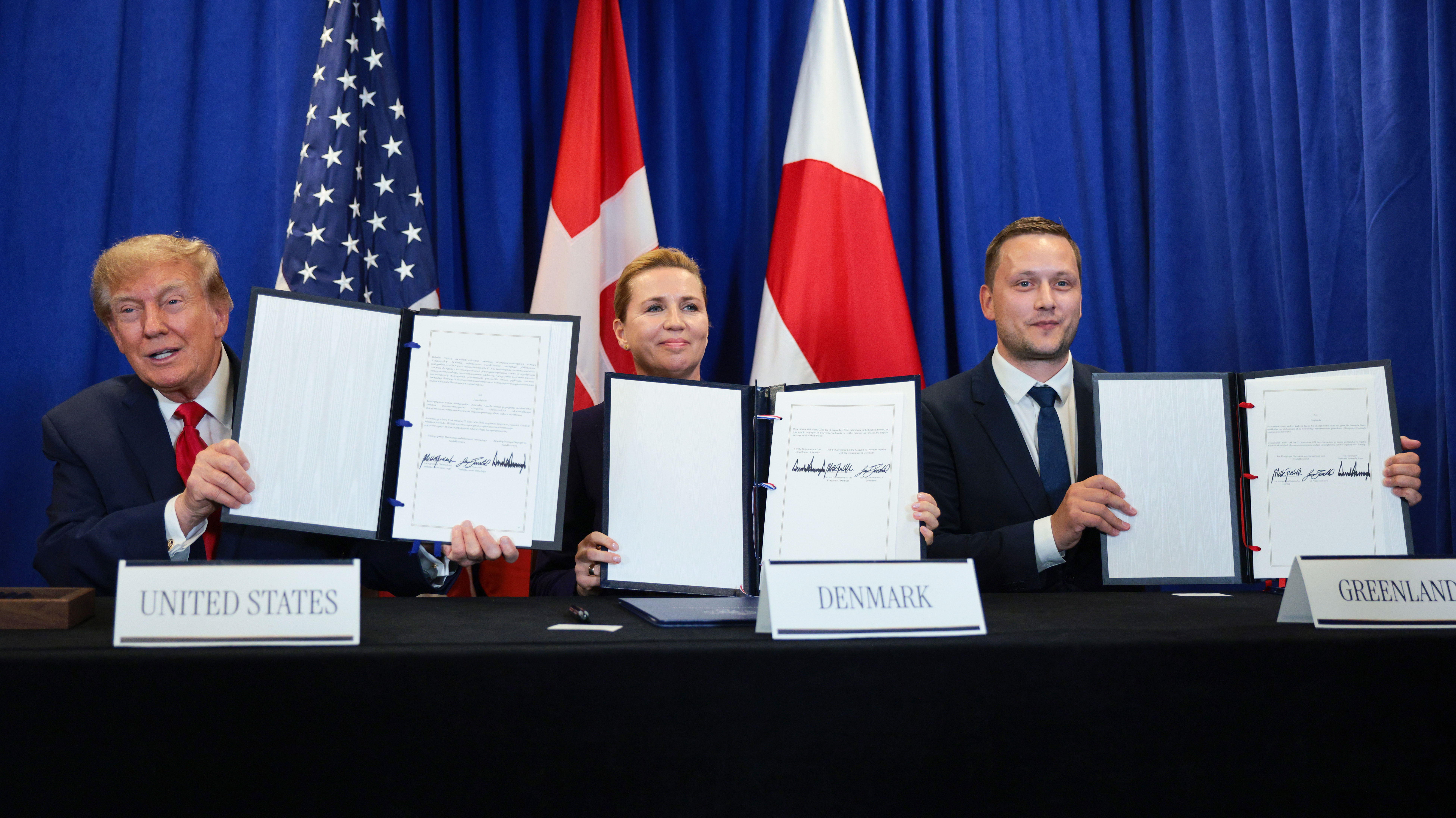
U.S. President Donald Trump, Prime Minister of Denmark Mette Frederiksen and Prime Minister of Greenland Jens-Frederik Nielsen hold up the proclamations during the signing of a security pact between the U.S., Denmark and Greenland during the 81st session of the United Nations General Assembly on Sept. 22, 2026. (Chip Somodevilla/Getty Images)
(WASHINGTON) — President Donald Trump signed a security deal with the prime ministers of Greenland and Denmark on Tuesday on the sidelines of the United Nations General Assembly.
“This has been an amazing journey with tremendous people,” Trump said of Denmark’s Mette Frederikson and Greenland’s Jens-Frederik Nielsen.
“This is tremendous for Europe and for the United States, for everybody, and for Greenland,” Trump said. “It’s going to be incredible, and the people of Greenland have been so nice. The people of Denmark have been amazing, and so I know it’s going to be a long-term, fantastic relationship.”
The agreement comes after months of escalating rhetoric from Trump, who has repeatedly threatened to take over the territory citing national security purposes. Trump’s threats, including refusing to rule out taking the territory by military force, sowed tension between the U.S. and its European allies and sparked consternation from Greenlanders.
Greenland, which is an autonomous territory of Denmark, resisted Trump’s calls to “take over” the island via acquisition or military force. Danish leaders said they were open to negotiating new frameworks for the U.S. military’s presence, but that the sovereignty of the territory was a red line.
The text of the trilateral agreement reveals some red tape that constrains what Trump administration officials have billed as the “complete ability” to do what it deems necessary in Greenland.
While the deal appears to fall short of the “Complete and Total Control” by the U.S. that Trump once called for, it does grant the U.S. ability to expand its military footprint in Greenland.
The deal gives Greenland and Denmark the authority to review requests from the U.S. to build unmanned military installations “under accelerated governmental approval procedures.”
Frederikson praised the agreement, saying that it was “bigger and better” than the deal struck with the U.S. in 1951.
“Seventy-five years ago, we entered into an agreement about the defense of Greenland. Today we are signing an even bigger and better agreement, a deal that can last forever,” she said.
“Mr. President, you have been very clear. You don’t want adversaries to come too close. I fully agree, and with this deal, they are not,” she added.
Under the 1951 agreement amended by the new pact, the U.S. already enjoyed wide latitude to scale up its bases and military footprint on the island.
Nielsen acknowledged that the U.S. national security concerns are legitimate and praised the negotiation process that led to the agreement.
“The security landscape in the Arctic is changing, and we recognize the long term security threats that you, Mr. President, have rightly spoken about. It is for that very reason that we have insisted on engaging in a constructive dialog,” he said. “Your security is our security, and our security is your security.”
Nielsen called the agreement historic and a “win-win-win” for all parties.
NATO Secretary General Mark Rutte posted on X, “This agreement, along with NATO’s growing role in securing this vital region, enhances our collective security and supports a safer and more stable future for us all.”
In a post on his social media platform last Friday, Trump declared, “At my direction, we worked with representatives of Denmark and Greenland to guarantee that the United States will FOREVER have the complete ability to do what is necessary in Greenland in order to secure and defend the security of Greenland, and the United States of America.”
The text of the deal affirms released Tuesday states that the U.S. can “modernize and expand its activities” at its existing Pituffik Space Base and says it can establish additional bases at Narsarsuaq and Mestersvig, following specific terms that the signatories had already agreed to.
If the U.S. wants to expand its footprint beyond that, the agreement requires that it puts forward a proposal that all parties will “immediately convene” to review via a standing committee that was established by an earlier memorandum of understanding.
If no agreement is reached within 90 days, the deal specifies that the proposal will then be elevated to the deputy minister level, and if that fails to the minister level — secretary of state and equivalents. The text does not say what would happen if those consultations don’t end in a consensus.
The deal gives Greenland and Denmark the authority to review requests from the U.S. to build unmanned military installations “under accelerated governmental approval procedures.”
While the agreement details the U.S. military’s right of free access to land, air and sea routes, it does not appear to materially advance privileges granted by the 1951 defense pact.
The agreement also bars non-NATO from establishing military installations in Greenland unless the three parties agree to make an exception.
The agreement also bans countries and individuals from countries that are either not NATO members or partners nor members of the European Union from having control or significant influence over “Particularly Sensitive Sectors” that includes critical infrastructure and the extraction of resources. The deal puts Greenland in charge of ensuring these prohibitions are upheld under its current or future investment screening laws.
The agreement specifies it has no end date and it plans for a contingency in which Greenland declares its independence from Denmark. An independent Greenland will agree to remain a member of NATO, athough that decision would likely not be entirely up to Greenland, the U.S. or Denmark — joining the alliance requires the approval of all NATO members and an independent Greenland would have to go through the application process.
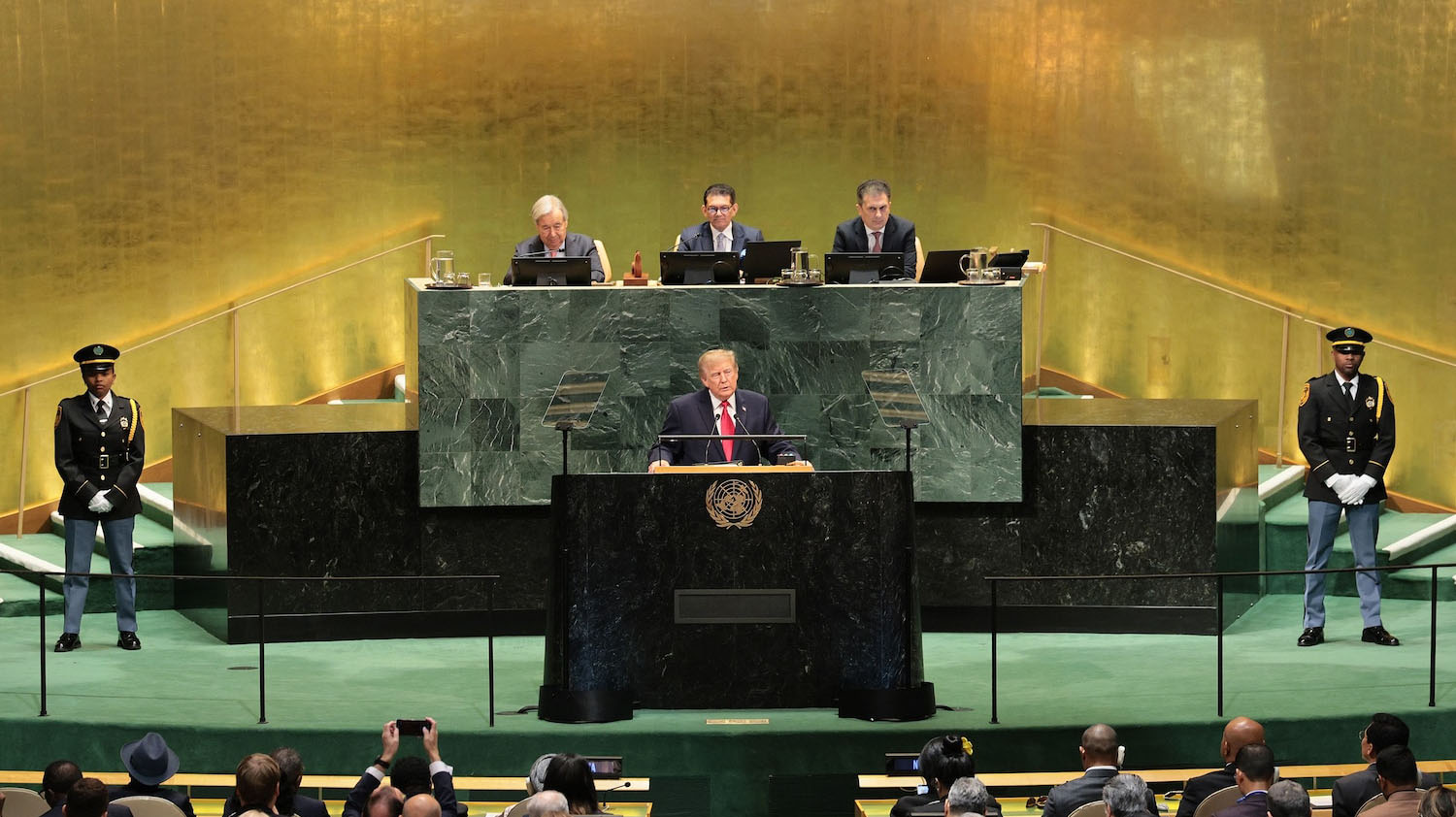
President Donald Trump speaks during the 81st session of the United Nations General Assembly at U.N. Headquarters, Sept. 22, 2026, in New York City. (Michael M. Santiago/Getty Images)
(WASHINGTON) — President Donald Trump said during his speech to global leaders at the United Nations General Assembly in New York City on Tuesday that he has a “big decision” to make: to strike a deal with Iran to end the war or to “annihilate the Islamic Republic” and “drive them into hell with no chance of survival and no hope of future greatness.”
“I have a big decision to make. Will a deal be made with Iran that lets them rebuild and create a far greater country than it ever was before, maybe one of the greatest in the Middle East or even the world? Or do I annihilate the Islamic Republic and do it quickly, never giving them a chance to kill and destroy people and countries again?” Trump said.
“Do I drive them into hell with no chance of survival and no hope of future greatness or generations?” Trump added.
The president’s message comes as a core Iranian delegation traveled to New York for the gathering of world leaders.
Since the war began nearly seven months ago the president has made repeated threats to launch devastating attacks on Iran, only to pull back in hopes of a deal. He has backed off large threats on at least eight occasions.
The president has claimed that he is not on any timeline and told reporters that the upcoming midterm elections do not impact his strategy. On Tuesday, Trump said in his speech that he doesn’t believe there will be an agreement before the midterm elections.
“I believe we’ll make a deal right after the election, because it doesn’t make sense for them not to. They’re waiting to see how I do in the midterm election,” Trump said.
But later, Trump claimed that he will “get it done” fast when it comes to Iran.
“In addition, the United States and Iran will definitely get it done. We will get it done, one way or the other. It’s going to be done. It’s got to be done fast,” Trump added.
The president also pushed back on assertions that the U.S. is low on munitions despite a Pentagon report acknowledging the war with Iran created a shortage.
“The cowards and traitors would love to say the United States is low and munitions, but that’s not true. We have more munitions than we could ever possibly even think of using, and we’re building them at levels that we have never done before. We are adding to our stockpiles faster than we have ever been able to do before,” Trump said.
The president seemed to make his case for the war as the impacts reverberate across the globe, once again pointing to the history of terrorism and oppression by the Iranian regime.
“As president of the most extraordinary nation in history, I have no interest in leaving dangers to grow for another day,” the president said.
“I do not believe in letting problems fester. They only become harder to solve. So while others have talked, I have acted. While others have spoken of peace, I have made peace. While others have ignored threats, I have confronted them,” Trump added.
The president also thanked the UN for its support for a resolution to say that Iran should not have a nuclear weapon. He also made the case to European allies that his decision to go to war with Iran would also protect them, saying he hoped those nations “realized that.”
The president, after making the case for the war, then urged global leaders to show unity — and promised that crushing oil prices will fall as soon as the war ends.
“If we stand united, we will soon see a world free of the last 51-year menace of Iranian terror, and oil prices will come plummeting down even lower than they were at the start of the conflict. And they were very low in the United States. They were really low. With courage and resolve, anything is possible,” Trump said.
The average gallon of regular is $4.46 a gallon — around $1.52 more since the start of the war; diesel is at $6.51 a gallon, according to GasBuddy.
Trump asserts U.S. dominance over Western Hemisphere
Trump threatened other countries during his speech, asserting American dominance over the Western Hemisphere.
The president took aim at the United States’ neighbors to the south, including Cuba, saying that his administration is “seeking a fundamental change in the situation in Cuba.”
“Marco Rubio is handling a negotiation. He’s deep into negotiations with Cuba. Let’s see what happens. We’ll not allow a haven for foreign adversaries to threaten America on our own doorstep,” the president said, as the Cuban delegation rose from their seats to exit the assembly hall.
Trump touted his administration’s collaboration with the regime of Venezuelan interim president Delcy Rodriguez, who rose to power after the U.S.-led ouster of Nicolas Maduro. The two are set to meet Tuesday evening.
Trump highlighted that the U.S. signed an oil deal with the Rodriguez regime in August, which he has claimed will drive down gas prices around the world.
The president also promoted the United States’ unilateral strikes against alleged drug traffickers in the Atlantic and Pacific oceans, comparing drug cartels to “the ISIS of the Western Hemisphere.”
“Upon taking office, I designated the drug cartels as foreign terrorist organizations and unleashed the United States Armed forces to eliminate them,” Trump said.
Trump also noted that he struck a new agreement with Greenland, which he said would give the U.S. greater control over the island.
“We will have the complete ability to do what is necessary to defend the American continent, and also Europe and other places,” Trump said of the agreement.
Trump signed the security deal with the prime ministers of Greenland and Denmark later Tuesday.
Trump said he won’t ‘rein in’ artificial intelligence development
As lawmakers and tech leaders express concerns about artificial intelligence and its rapid growth, Trump said that the U.S. will “encourage” AI development, instead of “rein it in.”
“Other law enforcement bodies that will rein things in if we have to do that, but we will only encourage super-intelligence. We’re going to encourage it, not rein it in. We’re going to watch it closely through the Department of Justice,” Trump said.
Trump, who said he would rebrand “artificial intelligence” as “super-intelligence,” repeated his message that the U.S. leads China on AI development — and that “whoever wins super-intelligence wins.”
“I’m not going to stifle growth of something that will be bigger than the Industrial Revolution, many say bigger than the Industrial Revolution or the internet itself,” Trump said.
(NEW YORK) — Los Angeles County is seeing the highest number of West Nile virus cases in nearly a decade, health officials said Monday.
The county has reported 100 cases so far this year. This is the highest figure since 2017 when 268 cases were recorded for the entire season.
The number of current cases is also greater than the five-year average during the same period, according to the Los Angeles County Department of Public Health (LA County DPH).
So far, 94 people have been hospitalized and five people have died, the health department said.
Of the 100 cases, 96 were symptomatic with the most recent onset of illness occurring on Sept. 4, according to LA County DPH.
The health department said that one-third of infected patients live in the East Los Angeles area, about a quarter live in the San Fernando Valley area and about a fifth live in the South Bay region.
It comes as the California Department of Public Health is reporting the highest levels of West Nile virus activity in five years, local health officials said.
So far, the U.S. has seen 671 cases this year across 42 states, according to data from the Centers for Disease Control and Prevention.
The true number of infections is likely higher because cases typically peak in August and September and reporting is delayed.
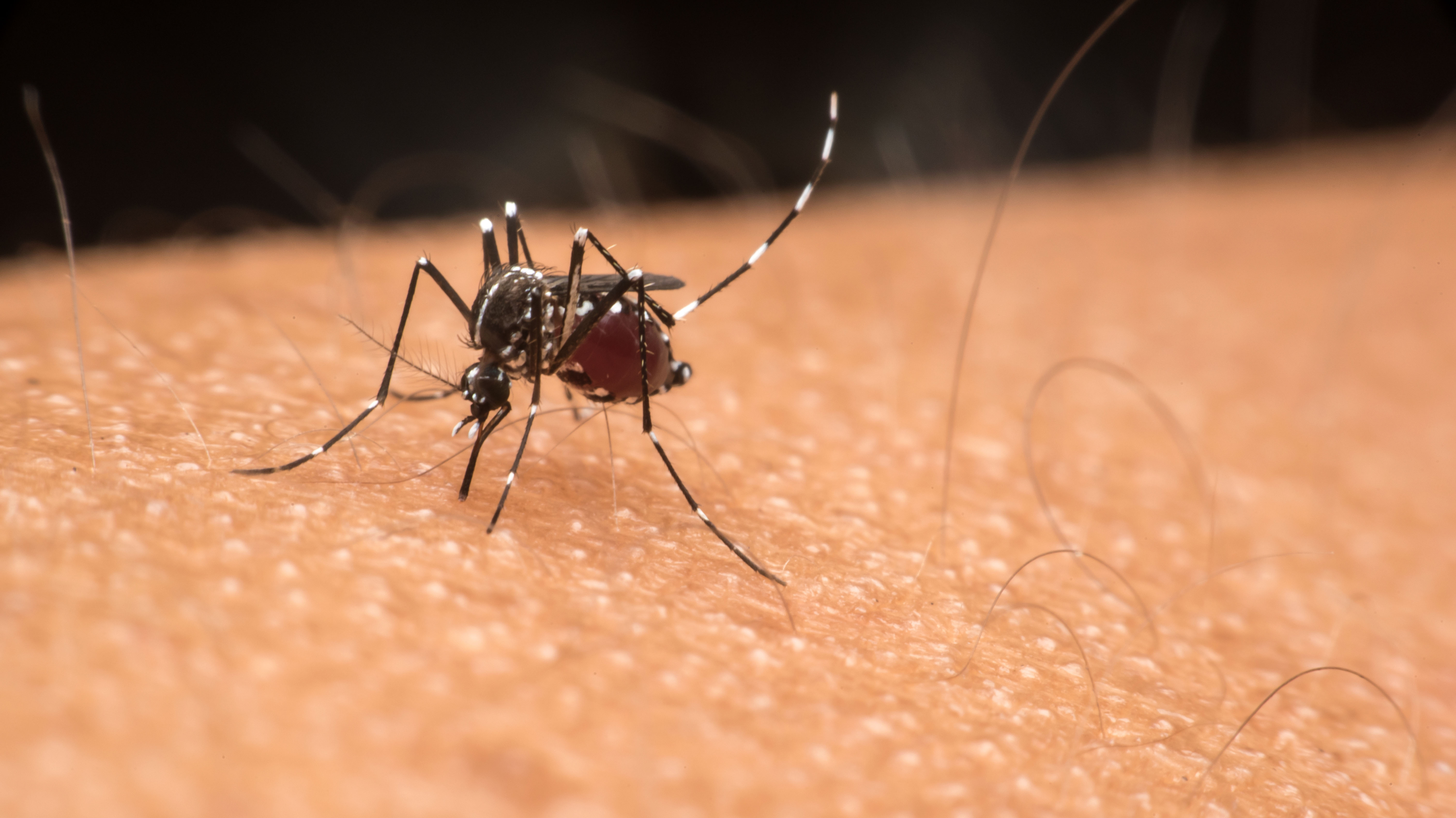
Public health officials have been warning that rising temperatures have allowed mosquitoes to thrive, increasing the risk of the diseases they spread, including West Nile.
West Nile virus is the leading cause of mosquito-borne disease in the continental U.S., according to the CDC.
Mosquitoes typically become infected with the virus after feeding on infected birds and then spread it to humans and other animals, the federal health agency said.
Risk increases with older age; certain medical conditions such as cancer, high blood pressure and kidney disease; and a weakened immune system.
Most people infected are believed to have lifelong immunity but those with certain conditions may have their immunity wane over time.
Symptoms include fever, headache, body aches, vomiting, diarrhea or rash. Most symptoms disappear, but weakness and fatigue may last for weeks or months.
About one in 150 patients will develop severe disease leading to encephalitis (inflammation of the brain) or meningitis, inflammation of the membranes that surround the brain and spinal cord. Both can lead to death, the CDC says.
Each year, about 2,000 people in the U.S. are diagnosed with West Nile virus, but the CDC says this is likely an undercount because most people either don’t develop symptoms or believe their mild symptoms were caused by another illness.
More than 1,300 people develop severe illness affecting the central nervous system, the CDC says.
There are no licensed vaccines or medications that protect against the virus. The CDC recomemnds using insect repellant, wearing long-sleeve shirts and pants, treating clothing and gear and taking steps to control mosquitoes. The last step includes putting screens on windows and doors, using air conditioning and emptying out containers with still water.
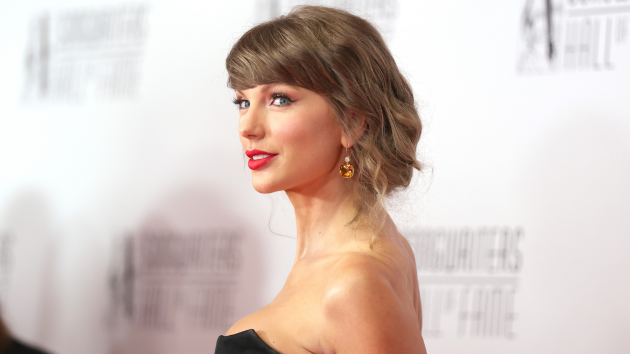
Taylor Swift attends the Songwriters Hall of Fame 55th annual Induction and Awards Gala at Marriott Marquis Hotel on June 11, 2026, in New York City. (Kevin Mazur/Getty Images)
Swifties have been patient, and now The Life of a Showgirl continues on.
Taylor Swift has announced the upcoming release of her brand-new single, titled “Patient Zero.” The worldwide music superstar took to Instagram on Tuesday to announce the new song will be released Friday.
“I’ve been impatiently waiting to tell you that my brand new single ‘Patient Zero’ will be out on September 25 (!!!!!!!!!!!!) and it’s available to pre-order now on my website for 24 hours,” Swift captioned her Instagram announcement post.
A new photo of Swift also appears in the post. She stares directly toward the camera while leaning up against a blank, gray wall. She wears a black, sleeveless ensemble with a turtleneck. Her signature bangs are swept to the side and her eye makeup is smokey with a muted lip color.
Three CD versions of the upcoming single are available for purchase on Swift’s website: the original version, an acoustic version and a piano version. The original version’s cover is the same photo that Swift posted to Instagram. She’s also made it her new profile picture.
The acoustic and piano CD versions of the song have their own covers. Both of them feature brand-new photos of Swift posing while wearing black and gray clothing. In both of these additional covers, she stares off into the distance.
Swift had been teasing the surprise release for the last 24 hours. Eagle-eyed fans noticed while streaming her music on Spotify that certain lyrics from her most recent album, The Life of a Showgirl, featured the number zero taking the place of the letter O.
Additionally, one of Swift’s Eras Tour dancers, Kameron Saunders, took to Instagram on Tuesday to post an Easter egg for the Swifties. He shared a photo of himself from the “Opalite” music video, where he holds up a dancing competition judging paddle featuring the number zero on it.
Saunders’ caption reads, “And, baby, that’s sh0w business f0r y0u.”
Swift has changed her Instagram and X bios to be the exact same line, spelled with zeros instead of the letter O.
It is assumed that “Patient Zero” is a continuation of The Life of a Showgirl era. That album, Swift’s 12th, was released on Oct. 3, 2025. The CD listings on Swift’s website for the new track feature The Life of a Showgirl logo, as well as the signature glitter associated with the era.
Notably, the bright orange color associated with The Life of a Showgirl has been swapped out for a sparkly black hue for “Patient Zero.” This falls more in line with the imagery from Swift’s previous albums The Tortured Poets Department and reputation.
(NEW YORK) — Converse has discontinued an advertisement following public backlash last week over what critics said appeared to be Ku Klux Klan symbolism and lynching in the shoe and apparel company’s ad campaign.
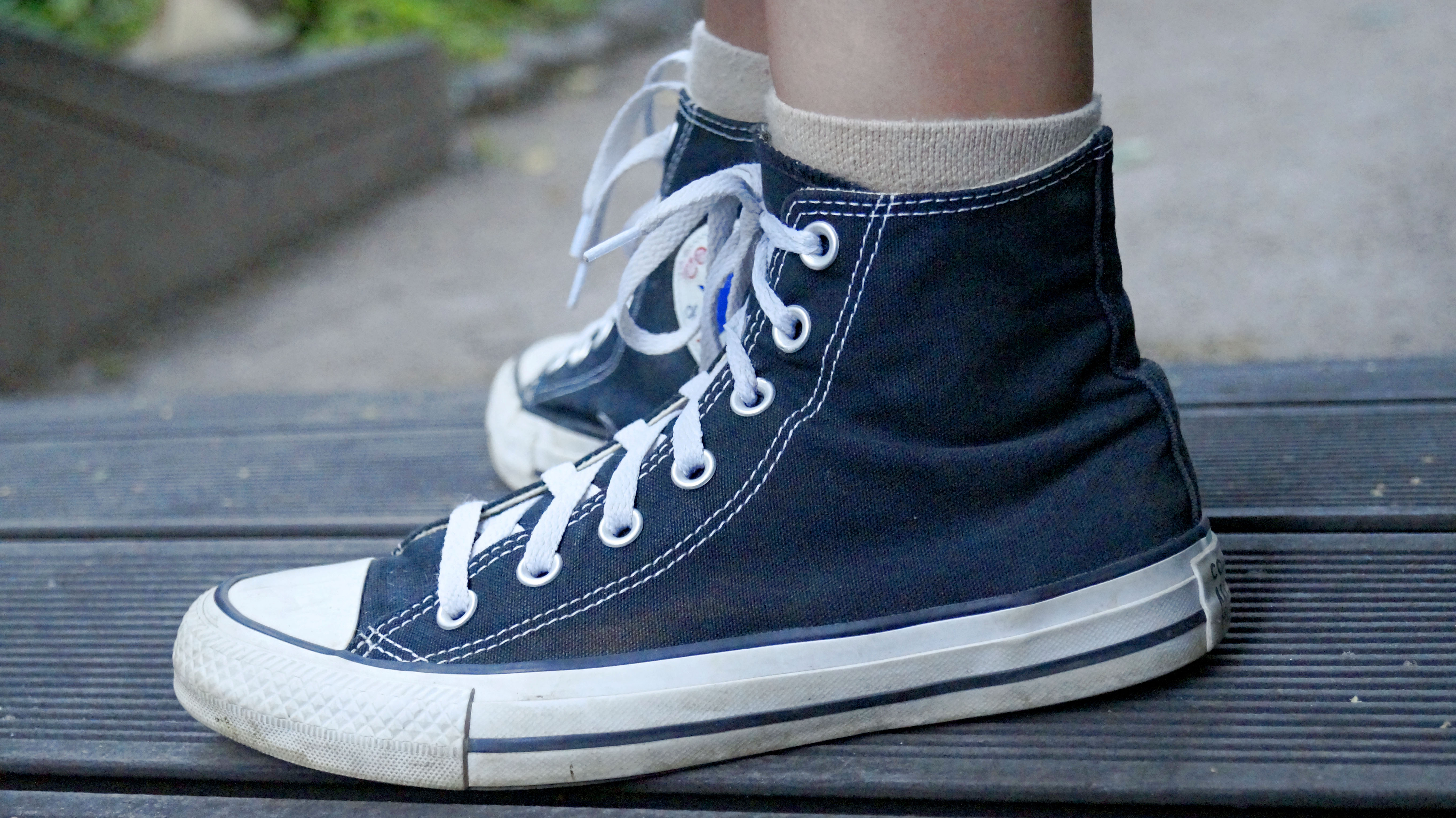
One of the images in the ad showed the bottom half of a person wearing a white, calf-length skirt-like garment that some critics said resembled a KKK robe, while holding a pair of black sneakers in one hand with their arm fully extended down by their side.
Critics said lighting in the photograph makes the shoes look as if they are dangling in the air next to the person in the white garment, resembling someone being hanged.
Shadows in the photograph also create a triangle-shaped light on the white robe that critics said further resembled the top peak of a Klan hood.
“We’re sorry. We understand why this image is deeply upsetting and recognize that we got this wrong,” Converse, who is owned by Nike Inc., said in a statement to ABC News Monday. “We removed it from our channels and are working to remove it everywhere it appeared. This should not have happened and we will do better.”
Civil rights attorney Lee Merritt, who represented the family of Ahmaud Arbery, a Black man who was chased and fatally shot by three white men while jogging in Georgia in February 2020, weighed in on the controversial promotional campaign.
“We keep having this conversation because corporations keep failing the same test,” Merritt said in a social media post. “Do better means catching this before it airs — not after we’re offended.”
Rep. Troy Carter, D-La., said in a statement that the advertisement was neither creative nor artistic.
“Black pain is not a marketing prop,” Carter said. “Lynching is not a creative concept. The Ku Klux Klan is not an aesthetic.”
The photos were part of a campaign to promote the Chuck 70 X sneaker. The advertisement was a collaboration with K-pop singer Karina, who is with the group aespa.
ABC News has reached out to representatives of Karina for a comment.
ABC News’ Sabina Ghebremedhin contributed to this story.
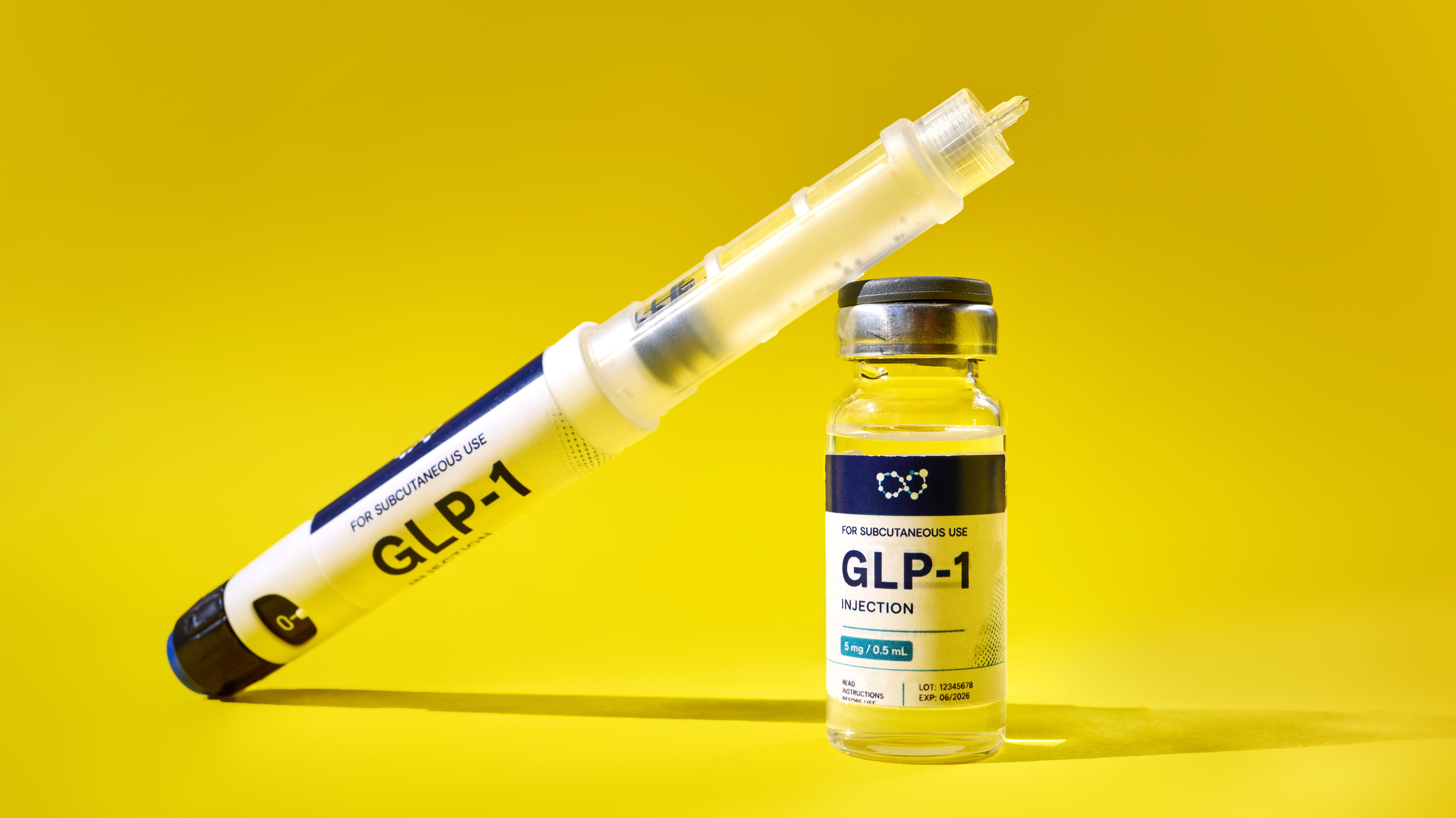
GLP-1 injection pen and medication vial for subcutaneous use. (Getty Images stock photo)
Dozens of Americans have filed personal injury lawsuits against the makers of popular GLP-1 drugs, like Ozempic, Wegovy and Mounjaro, claiming they were not properly warned of the risk of a rare type of sudden vision loss, called nonarteritic anterior ischemic optic neuropathy, or NAION, when taking the medications.
Researchers have been studying a possible link between GLP-1 drugs and this eye condition in recent years after a possible safety signal was reported from a single health center in Boston in 2024, but so far, no study has proven these drugs are the cause.
Novo Nordisk, the maker of Ozempic and Wegovy, said they take “all reports of adverse events very seriously,” and pushed back against these claims, stating, “Novo believes the personal injury lawsuits filed in the U.S. are without merit and are vigorously defending them,” a spokesperson told ABC News.
Adding, “Novo is committed to patient safety and continuously monitors the safety profile of our GLP-1 RA products. Should emerging safety data warrant further action, appropriate measures will be implemented in accordance with regulatory requirements.”
A spokesperson for Lilly, who manufactures Zepbound and Mounjaro, told ABC News, “Patientsafety is Lilly’s top priority. We actively monitor, evaluate, and report safety information for all our medicines to the FDA. As part of our routine safety review process, we have ongoing discussions with regulators regarding potential safety topics, and we will continue to review data, including any data regarding ophthalmic issues.”
Here’s what GLP-1 users should know about this condition and what the science says.
What is NAION?
Although a rare condition overall, Dr. John Chen, a professor of ophthalmology and neurology at Mayo Clinic, said, “NAION is the most common acute optic neuropathy in patients over the age of 50. It’s essentially a lack of blood flow to the optic nerve, where patients typically have pretty acute onset of painless vision loss.”
That vision loss is usually permanent, and there is no specific treatment for the condition at this time, Chen told ABC News.
Dr. Raj Maturi, clinical spokesperson for the American Academy of Ophthalmology and ophthalmologist at Midwest Eye Institute, told ABC News that people with diabetes, regardless of GLP-1 use, can be at increased risk of developing this condition, and other risks include overnight low blood pressure or a very small optic nerve cup.
Vision problems are listed as possible side effects of these medications, but the Food and Drug Administration does not currently require the drug makers to list NAION as a specific risk.
The agency’s Sentinel Initiativedoes say a review is ongoing that aims to scientifically evaluate the possible safety signal related to GLP-1 drugs and NAION that is still in progress.
In a statement provided to ABC News, a spokesperson for the FDA said, “The FDA routinely monitors the safety of drug products postmarketing. The FDA identifies safety signals from a variety of sources, evaluates the available data and takes regulatory actions when appropriate.”
Other countries have required the drug makers to include a warning that there may be a possible increased risk of developing NAION if taking some of these medications based on their review of available evidence, including the European Medicines Agency and Australia’s Therapeutic Goods Administration, both citing it as a rare possible side effect.
In general, safety signals don’t alwayspan out as true risks for all medications and not every possible side effect is caused directly by the medication itself.
Drugs that are FDA-approved undergo rigorous clinical trials, are heavily scrutinized before reaching the market, and post-marketing safety is continuously monitored.
What does the science say?
“Several studies suggest that there is a potential link between NAION, or eye stroke, and GLP-1 use,” Maturi said. “However it is important to note that causation has not been proven. And the risk does seem to be rare,” Maturi said.
In 2024, researchers at a single health system in Boston published datathat suggested people with type 2 diabetes who were prescribed semaglutide, a GLP-1 receptor agonist and the active ingredient in Ozempic and Wegovy, may be at increased risk of developing this type of vision loss.
Since then, more research has been done with larger studies that have shown mixed results as to whether a link does exist, and no study to date has proven that these medications cause this eye condition.
“There are significant benefits from the GLP-1’s for severe obesity, diabetes, cardiovascular disease. That’s proven time and time again with these randomized clinical trials,” Chen said. “We didn’t have to pull the plug on those trials because people were going blind. So again, if there is an association, it’s a very low risk.”
The European Medicines Agencyestimates this eye condition could possibly impact 1 out of every 10,000 GLP-1 users who have diabetes, based on their analysis of available information.
In a joint statement, the North American Neuro-Ophthalmology Society and the American Academy of Ophthalmology said, “While many report a small possible increased risk of NAION in patients taking GLP-1 RAs such as semaglutide, some studies report no correlation, and the overall magnitude of the risk of NAION remains low.”
Maturi and Chen both said that the data isn’t conclusive so far and more research is needed to understand if GLP-1 drugs have a true role in developing NAION.
What should GLP-1 users do?
Doctors recommend that people always discuss any potential side effects of a medication with their own doctor and warn that there are proven health risks, including eye problems, if diabetes and obesity go untreated.
“For any patients already taking semaglutide who have not experienced any symptoms, they should continue to do so as instructed and discuss any questions or concerns with their primary care physician,” Maturi said.
Chen said he doesn’t believe this potential risk should prevent most people from using GLP-1 medications if they are recommended by a doctor to help treat an underlying health condition but cautions that people who have experienced NAION in one eye already may need to weigh the possible risks more closely with their doctor.
“We’re not sure if the GLP-1 is connected or not. We know this helps with diabetes, heart disease, and severe obesity,” Chen said. “We essentially don’t want you to stop your meds without talking to your doctor, and if you do have sudden painless vision loss, you should be seen by an eye doctor.”
Jade A. Cobern, MD, MPH, is a practicing physician, board-certified in pediatrics and general preventive medicine, and is a fellow of the ABC News Medical Unit. ABC News’ Elizabeth Schulze also contributed to this reporting.
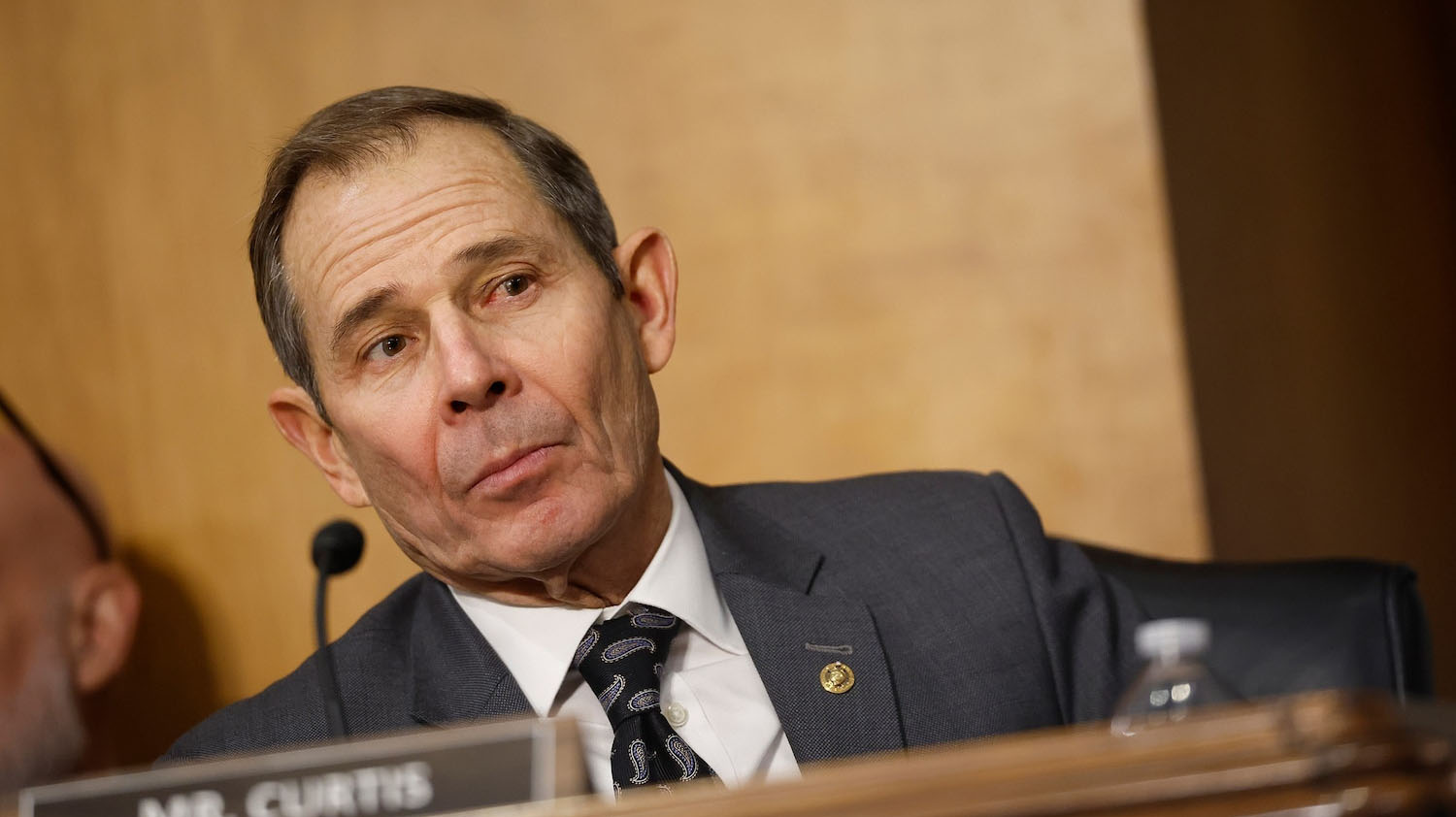
Sen. John Curtis on Jan. 15, 2025, in Washington, D.C. (Kevin Dietsch/Getty Images)
(WASHINGTON) — Utah Republican Sen. John Curtis is calling on Senate Judiciary Committee Chairman Chuck Grassley, R-Iowa, and Ranking Member Dick Dubin, D-Ill., to subpoena both Donald Trump Jr. and Hunter Biden as part of an investigation into “the use of presidential family relationships for private financial benefit, preferential treatment or access by domestic and foreign interests” that Curtis is urging the senators to open.
Curtis’ letter comes after he posted a video on X Friday saying that reports that Donald Trump Jr.’s two-day wedding afterparty in May had been funded by a Russian oligarch with close ties to Russian President Vladimir Putin “stink” and are “corruption.” He promised further action on the topic.
President Donald Trump said last week that his son had repaid the oligarch for the afterparty costs, though no evidence of that alleged repayment has been publicly offered.
“As I understand it, he paid them back. He didn’t want to have that, so I hear he paid them back. A person that he knows pretty, I guess a friend of his, gave him a wedding party. That’s very common,” the president said.
“The country should not have to accept one standard for the family of a Republican president and another for the family of a Democratic president. Nor should congressional oversight begin and end when control of the White House changes hands,” Curtis writes in the letter.
“I therefore respectfully request that the Senate Judiciary Committee launch an investigation into the use of presidential family relationships for private financial benefit, preferential treatment, or access by domestic and foreign interests,” Curtis’ letter continued. “As part of that investigation, I urge the Committee to subpoena Donald Trump Jr. and Hunter Biden to testify regarding their past business dealings, relationships with foreign individuals and entities, gifts, or other benefits they have received, and any instances in which their relationship to the President was invoked or understood to provide value.”
Hunter Biden, the youngest son of former President Joe Biden, has faced years of Republican and congressional scrutiny over unproven claims that he and his father, who was then vice president, allegedly pressured a Ukrainian oligarch to pay them millions of dollars to orchestrate the firing of a Ukrainian prosecutor who at the time was investigating Burisma, the energy company of which the oligarch was CEO. Hunter Biden sat on Burisma’s board at the time.
Sen. Durbin said Tuesday that he supports Curtis’ “good faith request” for the investigation.
“Corruption must never be tolerated,” Durbin said in a statement, in part. “To ignore this is to run the risk of being complicit. I will join in supporting Senator Curtis’ request of the Judiciary Committee.”
An ABC News request for comment sent to Sen. Grassley did not immediately receive a response.
Curtis is not a member of the Judiciary Committee and would not be involved in any vote to subpoena Hunter Biden or Donald Trump Jr. However, his is the most direct admonishment regarding recent reports concerning Donald Trump Jr.’s wedding that has come from any Republican on Capitol Hill.
In his letter, Curtis raises direct concerns both about Hunter Biden’s “substantial business with foreign entities … while his father held or sought public office” and about “the relationship of President Trump’s eldest son, Donald Trump Jr., with foreign business figures and the acceptance of significant gifts.”
Curtis writes that concerns about Trump Jr.’s activities are “compounded” by his “promotion of family-backed cryptocurrency ventures, his continued pursuit of international real estate deals involving direct meetings with foreign heads of state, and his reported investments in defense contracting.”
“These reports raise legitimate questions about foreign access to members of a sitting president’s family and whether such relationships can create actual or perceived expectations of favorable treatment,” Curtis writes. “They also may create expectations of a returned favor that would not be in the best interests of the American people or our allies, and could even create national security vulnerabilities.”
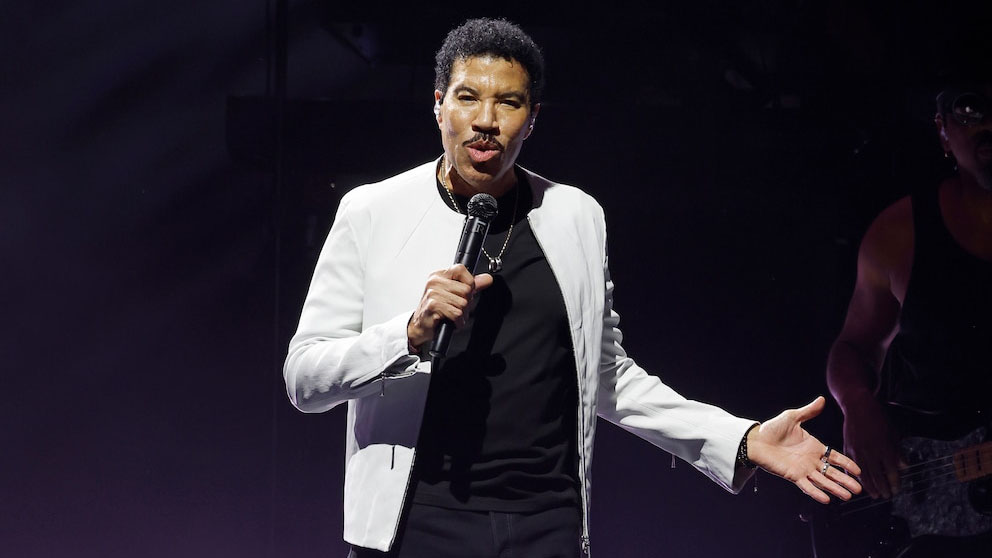
Lionel Richie headlines the Acrisure Amphitheater Opening Concert on May 15, 2026, in Grand Rapids, Michigan. (Jeff Schear/Getty Images)
Music superstar Lionel Richie is taking time off from touring after undergoing a heart procedure, his representative confirmed to ABC News on Tuesday.
The 77-year-old singer underwent a procedure for atrial fibrillation, according to his rep.
“The doctor said everything went perfectly,” the representative said in a statement. “Lionel is doing great but will take some time off and will be back on stage soon.”
Atrial fibrillation, commonly known as AFib, is an irregular heart rhythm that can cause symptoms including fatigue, shortness of breath and chest pain, according to the U.S. Centers for Disease Control and Prevention.
The illness can be treated by medication, surgery and lifestyle changes, the CDC says.
Richie has faced several health challenges since beginning a nationwide tour with Earth, Wind & Fire earlier this summer.
The “Hello” singer postponed two shows after falling ill onstage during the first night of the tour in late June.
In late August, Richie checked himself into a hospital out of an abundance of caution, a source close to the singer’s tour told ABC News.
No further details were shared about his condition at the time.
Richie has three upcoming tour dates scheduled for late September and early October in San Francisco, Columbus and Chicago, according to his website.
He is then expected to take the stage at the Wynn in Las Vegas in October and November for his “King of Hearts” shows.